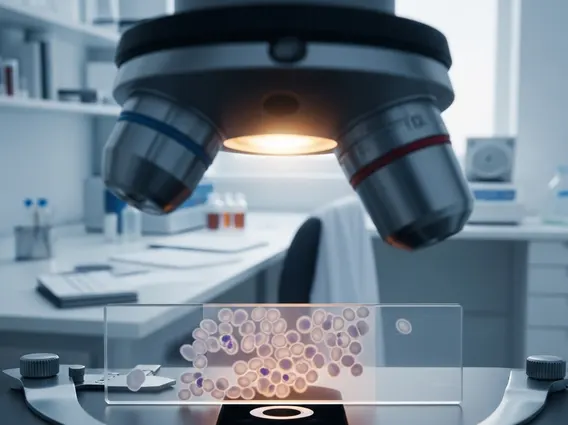
Living with Thymoma
A diagnosis of thymoma can be life-altering, presenting unique challenges and requiring a comprehensive approach to care. This article aims to provide a guide for individuals navigating life with this rare cancer, offering insights into daily management, emotional well-being, and long-term perspectives.

Key Takeaways
- Thymoma management involves a multi-faceted approach, from initial diagnosis and treatment to ongoing symptom management and emotional support.
- Daily life with thymoma can be significantly improved through practical home care strategies, dietary adjustments, and appropriate exercise.
- Emotional and mental well-being are crucial; stress reduction techniques and professional psychological support are vital coping strategies.
- Building a strong support network, including family, friends, and patient communities, provides invaluable assistance and shared understanding.
- Long-term care and advocacy are essential for maintaining a good quality of life, focusing on regular monitoring and active participation in healthcare decisions.
Navigating Life with Thymoma: An Overview
Living with thymoma begins with understanding the condition and its implications. Thymoma is a rare tumor originating from the thymus gland, located in the chest between the lungs. While often slow-growing, its presence can lead to various health concerns and necessitates careful management.
Initial Diagnosis & Treatment Journey
The journey with thymoma typically starts with diagnosis, often discovered incidentally during imaging for other conditions, or due to symptoms like chest pain, cough, or shortness of breath. Diagnostic procedures usually involve imaging scans (CT, MRI) and a biopsy to confirm the type and stage of the tumor. Treatment commonly involves surgery to remove the tumor, often followed by radiation therapy, chemotherapy, or targeted therapy, depending on the tumor’s stage and characteristics. These initial phases present significant living with thymoma challenges, requiring patients to adapt to medical procedures and their immediate aftermath.
According to the National Cancer Institute’s SEER program, thymoma is a rare cancer, with an incidence rate of approximately 0.13 cases per 100,000 people per year, highlighting its uncommon nature and the specialized care it requires.
Common Physical Challenges
Beyond the tumor itself, patients may experience various physical challenges. These can include fatigue, pain, shortness of breath, and cough, which are often direct consequences of the tumor’s location or treatment side effects. A significant aspect of thymoma is its association with paraneoplastic syndromes, where the immune system, stimulated by the tumor, attacks healthy tissues. Myasthenia gravis (MG) is the most common, affecting 30-50% of thymoma patients, according to the Myasthenia Gravis Foundation of America. MG causes muscle weakness and fatigue, profoundly impacting mobility, speech, and swallowing, adding another layer of complexity to living with thymoma.
Daily Management of Thymoma Symptoms
Effective daily management is crucial for improving the quality of life for individuals with thymoma. This involves a combination of medical adherence, practical home strategies, and lifestyle adjustments tailored to individual needs and symptoms.
Practical Strategies for Home Care
Managing thymoma symptoms at home often involves a proactive approach to alleviate discomfort and maintain functionality. For fatigue, pacing activities and incorporating rest periods throughout the day can be beneficial. Pain management might include prescribed medications, heat or cold therapy, and gentle stretching. For respiratory symptoms, learning breathing exercises, maintaining good posture, and avoiding irritants can help. Patients with myasthenia gravis may need to schedule activities during peak medication effectiveness and use assistive devices as needed. Regular communication with the healthcare team is vital to adjust strategies as symptoms evolve.
Here are some practical tips for home care:
- Keep a symptom diary to track severity and triggers, aiding discussions with your doctor.
- Ensure your home environment is safe and accessible, especially if mobility is affected.
- Prepare meals in advance or opt for easy-to-prepare, nutritious options.
- Stay hydrated by drinking plenty of fluids throughout the day.
Diet, Exercise, and Lifestyle Adjustments
Adopting a healthy lifestyle plays a significant role in enhancing daily life with thymoma. A balanced diet rich in fruits, vegetables, lean proteins, and whole grains can support overall health and energy levels. For those experiencing swallowing difficulties, softer foods or nutritional supplements might be recommended. Gentle exercise, such as walking, yoga, or tai chi, can help maintain muscle strength, improve mood, and reduce fatigue, but should always be cleared by a physician. Avoiding smoking and excessive alcohol consumption is also crucial for respiratory and overall health. These adjustments are not just about managing symptoms but about fostering overall well-being.
Coping with Emotional & Mental Health
The emotional and psychological impact of a thymoma diagnosis and its ongoing management can be substantial. Addressing mental health is as important as treating physical symptoms for comprehensive care.
Stress Reduction Techniques
Living with a chronic condition like thymoma can lead to significant stress, anxiety, and even depression. Implementing effective coping strategies for thymoma patients is crucial. Techniques such as mindfulness meditation, deep breathing exercises, and guided imagery can help calm the nervous system and promote a sense of peace. Engaging in hobbies, spending time in nature, or listening to soothing music can also serve as valuable outlets for stress. The goal is to find healthy ways to process emotions and reduce the psychological burden of the illness.
Seeking Professional Support
Sometimes, self-help strategies are not enough, and professional mental health support becomes necessary. Therapists, counselors, or psychiatrists can provide tailored guidance and strategies for managing anxiety, depression, or fear related to the diagnosis. Cognitive Behavioral Therapy (CBT) or support groups can offer structured ways to process feelings and develop resilience. Openly discussing emotional well-being with your medical team can also lead to referrals to appropriate mental health specialists, ensuring that psychological needs are met alongside physical ones.
Building a Strong Support Network
No one should face thymoma alone. A robust support network is a cornerstone of effective coping and can significantly enhance a patient’s journey.
Family, Friends, and Caregivers
The role of family, friends, and caregivers is invaluable in providing support for thymoma patients and families. They can offer practical help with daily tasks, transportation to appointments, and emotional comfort. Open and honest communication about needs and feelings is essential to ensure that support is effective and sustainable. Caregivers themselves may also benefit from support resources to manage their own stress and responsibilities, as their well-being directly impacts the patient’s care.
Patient Communities and Resources
Connecting with others who have similar experiences can provide a unique sense of understanding and validation. Patient communities, both online and in-person, offer platforms for sharing experiences, tips, and emotional support. Organizations dedicated to rare cancers or specific conditions like myasthenia gravis often provide valuable resources, educational materials, and advocacy. These communities can be a powerful source of strength and information, helping patients feel less isolated and more empowered in their journey with thymoma.
Long-Term Perspectives and Quality of Life
Thymoma often requires long-term management and vigilance. Understanding the long-term outlook and actively participating in care planning are key to maintaining a good quality of life.
Monitoring and Follow-Up Care
After initial treatment, regular monitoring is crucial to detect any recurrence or new complications. This typically involves periodic imaging scans (CT or MRI) and blood tests, as recommended by the oncology team. These follow-up appointments are vital for addressing any long-term effects of thymoma, such as late side effects from radiation or chemotherapy, or the progression of associated paraneoplastic syndromes. Adhering to the follow-up schedule allows for timely intervention and adjustment of treatment plans, optimizing long-term health outcomes.
Advocating for Your Well-being
Patients are their own best advocates. This involves actively participating in discussions with the healthcare team, asking questions, and expressing concerns about symptoms, treatment side effects, or emotional well-being. Understanding your treatment plan, medication regimen, and potential long-term issues empowers you to make informed decisions. Focusing on maintaining a good quality of life with thymoma means prioritizing not just physical health but also mental, emotional, and social well-being. This holistic approach ensures that care is person-centered, addressing all aspects of living with the condition.
Frequently Asked Questions About Living with Thymoma
What is thymoma and how rare is it?
Thymoma is a rare tumor that originates in the thymus gland, an organ located in the chest that plays a role in the immune system. It is considered a rare cancer, with an incidence rate of approximately 0.13 cases per 100,000 people annually. While often slow-growing, its presence can lead to various symptoms and is frequently associated with autoimmune conditions like myasthenia gravis, which affects a significant portion of thymoma patients. Early diagnosis and specialized treatment are crucial due to its rarity and potential complications.
How does thymoma affect daily life, and what can help?
Thymoma can significantly impact daily life through symptoms such as fatigue, pain, shortness of breath, and muscle weakness, especially if associated with myasthenia gravis. Managing these symptoms involves practical home care strategies like pacing activities, gentle exercise, and a balanced diet. Emotional well-being is also key; stress reduction techniques and professional psychological support can help cope with the mental burden. Building a strong support network of family, friends, and patient communities provides invaluable emotional and practical assistance, improving overall quality of life.
What are the long-term outlooks for thymoma patients?
The long-term outlook for thymoma patients varies depending on the stage at diagnosis, the type of thymoma, and the effectiveness of treatment. Many patients achieve long-term survival, particularly with early-stage disease. However, ongoing monitoring through regular follow-up appointments and imaging scans is essential to detect any recurrence or new complications. Managing potential long-term effects of treatment and associated conditions like myasthenia gravis is crucial for maintaining a good quality of life. Active patient advocacy and a comprehensive care plan contribute significantly to positive long-term outcomes.