Light Exercises to Regain Strength After Diarrhea
Recovering from a bout of diarrhea can leave you feeling significantly weakened and fatigued. While rest is crucial, incorporating light exercises after diarrhea can play a vital role in restoring your physical well-being and energy levels. This guide provides practical advice on how to safely and effectively regain strength post diarrhea.

Key Takeaways
- Begin with very gentle activities like short walks or stretching to avoid overexertion.
- Listen to your body and stop immediately if you experience any discomfort or worsening symptoms.
- Prioritize hydration and a bland, nutrient-rich diet to support your recovery efforts.
- Gradually increase the intensity and duration of your workouts as your strength returns.
- Consult a healthcare professional if symptoms persist or if you have underlying health conditions.
Benefits of Light Exercises After Diarrhea
After experiencing diarrhea, the body undergoes significant stress, often leading to dehydration, electrolyte imbalance, and muscle weakness. While the immediate priority is rehydration and rest, gradually introducing light exercises after diarrhea offers numerous benefits for a smoother and faster recovery. Engaging in gentle physical activity helps improve circulation, which in turn aids in nutrient delivery and waste removal, supporting the body’s healing processes.
Furthermore, prolonged inactivity can lead to muscle deconditioning and a general feeling of lethargy. Even mild physical activity can counteract this, helping you to regain strength post diarrhea by stimulating muscle activity without overtaxing your system. It also contributes to improved mood and reduced anxiety, which are common aftereffects of illness. According to the World Health Organization (WHO), diarrheal diseases are a leading cause of morbidity globally, affecting millions annually, highlighting the importance of comprehensive recovery strategies that include appropriate physical rehabilitation.
Gentle Workouts to Regain Strength Safely
When you’re ready to start moving again, the key is to choose gentle workouts after stomach bug that won’t put undue stress on your digestive system or deplete your already compromised energy reserves. The goal is to gradually build up your stamina and muscle tone. Start with very short durations, perhaps just 5-10 minutes, and focus on low-impact movements. Always ensure you are well-hydrated before, during, and after any activity.
These initial activities should be focused on easy movements that promote circulation and flexibility. Avoid anything that requires sudden movements, heavy lifting, or intense exertion. The focus should be on feeling better, not on achieving fitness goals. This careful approach is crucial for safe exercises for diarrhea recovery, preventing setbacks and promoting a steady return to your normal activity levels. Here are some recommended activities:
Low-Impact Aerobics
Activities that gently elevate your heart rate without jarring your body are ideal. These help with recovering energy after diarrhea by improving cardiovascular health without excessive strain. Start with very short sessions and gradually increase the duration as you feel stronger.
- Walking: Begin with a slow, leisurely stroll for 5-10 minutes on a flat surface. Gradually increase the distance and pace over several days or a week.
- Stretching: Gentle stretching, focusing on major muscle groups, can improve flexibility and reduce stiffness without demanding much energy. Hold stretches for 15-30 seconds without bouncing.
- Yoga or Tai Chi (Beginner Level): These practices emphasize slow, controlled movements and breathing, which can be very beneficial for both physical and mental recovery. Look for beginner-friendly routines that avoid inversions or strenuous poses.
Strength and Flexibility
Once you feel a bit stronger, incorporating very light strength and flexibility exercises can further aid in your recovery. These are integral components of a comprehensive post diarrhea exercise guide. Remember to use your body weight or very light resistance bands, avoiding free weights initially.
| Exercise Type | Description | Benefits for Recovery |
|---|---|---|
| Wall Push-ups | Stand facing a wall, place hands shoulder-width apart on the wall, and gently lean in, then push back. | Strengthens chest and arms without straining core. |
| Chair Squats | Slowly sit down and stand up from a chair without using your hands, if possible. | Builds leg and glute strength gently. |
| Pelvic Tilts | Lie on your back, knees bent, and gently flatten your lower back into the floor, then release. | Strengthens core and supports lower back. |
Perform 5-10 repetitions of each exercise, focusing on proper form rather than speed or intensity. Rest adequately between sets and listen carefully to your body’s signals. If any exercise causes pain or discomfort, stop immediately.
When to Resume Activity and What to Avoid
Deciding when to resume physical activity after diarrhea is crucial for preventing a relapse or further discomfort. Generally, you should wait until your bowel movements have returned to normal for at least 24-48 hours and you are no longer experiencing symptoms like fever, nausea, or abdominal pain. Your energy levels should also feel somewhat restored, indicating you are truly recovering energy after diarrhea. Starting too soon can exacerbate symptoms or prolong your recovery period.
It is equally important to know what to avoid during this delicate recovery phase. Steer clear of high-intensity workouts, heavy lifting, and activities that involve excessive bouncing or jarring motions. These can put undue stress on your digestive system and lead to dehydration or electrolyte imbalances. Also, avoid public swimming pools or shared gym equipment if you suspect your illness might still be contagious, to prevent spreading germs. Always prioritize rest and hydration over pushing yourself too hard.
Pay close attention to your body’s signals. If you experience any of the following while exercising, stop immediately and rest:
- Increased abdominal pain or cramping
- Nausea or vomiting
- Dizziness or lightheadedness
- Excessive fatigue or weakness
- Return of diarrhea symptoms
- Fever
These symptoms indicate that your body is not yet ready for physical activity, and further rest is required. Gradual progression is key to a successful and sustained recovery.
Hydration and Nutrition for Full Recovery
Beyond physical activity, proper hydration and nutrition are foundational pillars for a complete recovery and to truly understand how to regain strength after diarrhea. Diarrhea causes significant fluid and electrolyte loss, making rehydration paramount. Continue to drink plenty of clear fluids, such as water, oral rehydration solutions (ORS), clear broths, and diluted fruit juices. Avoid sugary drinks, caffeine, and alcohol, as these can worsen dehydration or irritate your digestive system.
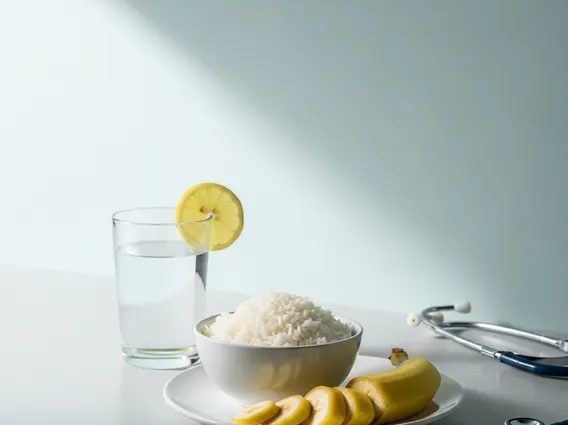
When it comes to food, gradually reintroduce bland, easy-to-digest foods. The BRAT diet (bananas, rice, applesauce, toast) is often recommended, but a broader range of foods can be included as tolerated. Focus on small, frequent meals rather than large ones. Foods rich in probiotics, like yogurt with live cultures, can also help restore beneficial gut bacteria, which may have been disrupted by the illness. This holistic approach, combining careful exercise with diligent dietary management, ensures your body has the resources it needs to heal and rebuild strength effectively.
Frequently Asked Questions
How soon can I start light exercises after diarrhea?
It’s best to wait until your bowel movements have normalized for at least 24-48 hours and you are free of other symptoms like fever, nausea, or significant abdominal pain. Listen to your body; if you still feel weak or fatigued, prioritize rest and hydration. Starting too soon can prolong your recovery or worsen symptoms. Always begin with very short durations and low intensity, gradually increasing as your strength returns.
What kind of exercises are considered “light” for recovery?
Light exercises include gentle activities that do not strain your body or digestive system. Examples are slow walking, gentle stretching, beginner-level yoga or Tai Chi, and very light bodyweight exercises like wall push-ups or chair squats. The key is low impact and low intensity, focusing on circulation and flexibility rather than building muscle mass or endurance rapidly. Avoid anything that makes you feel breathless or causes discomfort.
Why is hydration so important when resuming activity after diarrhea?
Diarrhea causes significant loss of fluids and essential electrolytes, leading to dehydration and weakness. When you resume physical activity, even light exercises, your body uses more fluids. Maintaining adequate hydration is crucial to prevent further dehydration, support muscle function, and aid in overall recovery. Oral rehydration solutions (ORS) are particularly effective as they replenish both fluids and electrolytes lost during illness.