Leg and Foot Exercises to Reduce Edema (Swelling)
Edema, commonly known as swelling, occurs when excess fluid gets trapped in your body’s tissues. While it can affect any part of the body, it is most noticeable in the legs, ankles, and feet. Engaging in specific Leg and Foot Exercises for Edema can be a highly effective, natural strategy to alleviate discomfort and improve circulation, offering significant relief from swelling.
Key Takeaways
- Regular leg and foot exercises significantly improve circulation and lymphatic drainage, helping to reduce fluid retention.
- Simple, at-home movements like ankle pumps, foot circles, and calf raises are effective for managing swelling.
- Combining exercises with other natural strategies such as elevation, hydration, and a low-sodium diet enhances relief.
- Consistency in performing these exercises is crucial for long-term benefits in reducing edema.
- It is important to consult a doctor if swelling is sudden, severe, unilateral, or accompanied by other concerning symptoms.
Benefits of Leg and Foot Exercises for Edema
Engaging in targeted exercises for leg and foot swelling offers a multitude of benefits beyond mere symptom relief. The primary advantage lies in the improved circulation and lymphatic drainage they promote. When muscles contract during exercise, they act as a pump, pushing accumulated fluid out of the affected areas and back towards the heart, where it can be processed and eliminated. This natural pumping action is vital for managing chronic swelling.
Furthermore, consistent movement helps to strengthen the muscles in the lower limbs. Stronger muscles are more efficient at supporting the veins and lymphatic vessels, enhancing their ability to transport fluids. This mechanism directly contributes to how reduce edema with leg exercises works, preventing fluid from pooling and reducing the sensation of heaviness and discomfort. Regular physical activity can also help maintain a healthy weight, which is an important factor in managing edema, as excess weight can exacerbate swelling.
Beyond the physiological benefits, these exercises can significantly improve overall mobility and flexibility, which are often compromised by swelling. By reducing stiffness and increasing range of motion, individuals can experience a better quality of life. Peripheral edema is a common condition, with various studies indicating its prevalence can be significant, especially among older adults and those with certain underlying health conditions. Regular physical activity, including targeted exercises, is often recommended as a first-line approach to manage symptoms and prevent progression.
Simple Leg and Foot Exercises for Swelling
Incorporating simple, gentle movements into your daily routine can make a substantial difference in managing edema. These exercises can often be performed at home, without special equipment, making them accessible to most individuals. Consistency is key, so aim to perform these movements multiple times throughout the day.
One of the most effective types of foot exercises for swollen ankles involves movements that engage the ankle joint. These exercises help to activate the calf muscles, which play a crucial role in pumping fluid upwards. They are particularly beneficial for individuals who spend long periods sitting or standing, as they counteract the effects of gravity that contribute to fluid pooling.
For comprehensive best exercises for leg edema relief, it’s important to target various muscle groups in the lower leg and foot. These exercises are designed to be low-impact, focusing on gentle contractions and stretches that encourage fluid movement without overexerting the affected areas. Always listen to your body and stop if you feel any pain.
Ankle Pumps and Circles
These exercises are fundamental for stimulating circulation in the feet and ankles. They can be performed while sitting or lying down, making them ideal for almost any situation.
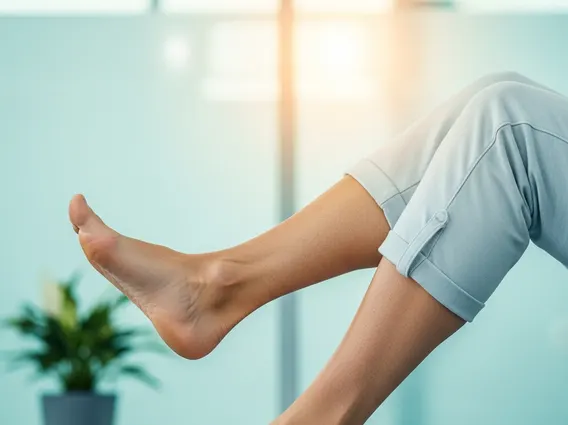
- Ankle Pumps: While seated or lying down, extend your legs straight out. Slowly point your toes away from your body as far as comfortable, holding for a few seconds. Then, flex your feet, pulling your toes towards your body, holding again. Repeat this pumping motion 10-15 times per foot.
- Ankle Circles: From the same position, rotate your foot in a circular motion at the ankle. Make 10-15 circles clockwise, then reverse and make 10-15 circles counter-clockwise. Ensure the movement comes from the ankle, not the knee or hip.
Calf Raises and Leg Lifts
These movements engage larger muscle groups in the calves and thighs, providing a more powerful pumping action to reduce swelling throughout the lower leg. They are excellent at home exercises for edema in legs.
- Calf Raises: If able, stand holding onto a sturdy chair or wall for support. Slowly raise yourself up onto the balls of your feet, lifting your heels as high as possible. Hold for a moment, then slowly lower your heels back down. Repeat 10-15 times. If standing is difficult, seated calf raises can be performed by simply lifting your heels while keeping your toes on the floor.
- Leg Lifts: Lie on your back with one knee bent and the foot flat on the floor. Keep the other leg straight and slowly lift it a few inches off the floor, holding for 5-10 seconds. Slowly lower it back down. Repeat 10-15 times, then switch legs.
Additionally, incorporating gentle stretches for swollen feet and legs can further enhance flexibility and circulation. Simple toe curls, where you curl your toes tightly and then spread them wide, can activate the small muscles in the feet. You can also gently stretch your calves by leaning against a wall with one leg back, feeling the stretch in the calf muscle. Remember to perform these exercises regularly throughout the day for optimal results.
How to Reduce Leg Swelling Naturally
Beyond specific exercises, several complementary strategies can significantly help how to reduce leg swelling naturally. These methods work in conjunction with physical activity to improve fluid balance and reduce discomfort. Adopting a holistic approach often yields the best results for managing chronic edema.
One of the most effective natural remedies is elevation. Raising your legs above the level of your heart helps gravity assist in draining excess fluid from the lower limbs. This can be achieved by lying down and propping your feet up on pillows for 15-30 minutes several times a day. This simple technique, especially after periods of prolonged standing or sitting, can provide substantial relief and complement the benefits of Leg and Foot Exercises for Edema.
Compression stockings are another valuable tool. These specialized garments apply gentle pressure to the legs, helping to prevent fluid accumulation and supporting the veins in returning blood to the heart. They are particularly useful for individuals who must stand or sit for extended periods. It’s crucial to ensure proper fitting by a healthcare professional to maximize their effectiveness and comfort.
Dietary adjustments also play a significant role. Reducing sodium intake is paramount, as excess sodium can cause the body to retain water, exacerbating swelling. Aim for fresh, unprocessed foods and limit salty snacks, canned goods, and fast food. Adequate hydration, paradoxically, can also help. Drinking plenty of water signals to your body that it doesn’t need to hold onto fluid, encouraging healthy kidney function and fluid balance. Regular movement throughout the day, avoiding prolonged immobility, further supports these natural strategies.
When to Consult a Doctor for Edema
While Leg and Foot Exercises for Edema and other natural remedies are highly beneficial for managing mild to moderate swelling, it is crucial to recognize when edema might be a symptom of a more serious underlying health condition. Edema can sometimes indicate issues with the heart, kidneys, liver, or circulatory system, requiring professional medical evaluation.
You should consult a doctor if you experience any of the following symptoms alongside leg and foot swelling:
- Sudden onset or severe swelling: Especially if it develops rapidly or is significantly more pronounced than usual.
- Swelling in only one leg: Unilateral swelling can be a sign of a deep vein thrombosis (DVT), a serious blood clot that requires immediate medical attention.
- Redness, warmth, or tenderness: These symptoms could indicate an infection (cellulitis) or inflammation.
- Shortness of breath or chest pain: These are critical warning signs that could point to heart failure or pulmonary edema and warrant emergency care.
- Swelling that does not improve: If your edema persists or worsens despite elevation, exercise, and other self-care measures.
- Skin changes: Such as stretched, shiny skin, or skin that retains a dimple after being pressed (pitting edema).
A healthcare professional can accurately diagnose the cause of your edema through a thorough examination and appropriate tests. Early diagnosis and treatment of underlying conditions are essential for preventing complications and ensuring your overall health. Never hesitate to seek medical advice if you are concerned about persistent or unusual swelling.
Frequently Asked Questions
How often should I do leg and foot exercises for edema?
For optimal results, aim to perform leg and foot exercises 2-3 times a day. Each session should last about 10-15 minutes, with 10-15 repetitions per exercise. Consistency is more important than intensity. Integrating these movements into your daily routine, such as during breaks at work or while watching television, can significantly improve circulation and lymphatic drainage, helping to manage and reduce swelling effectively over time.
Can these exercises cure edema completely?
Exercises are highly effective for managing and reducing the symptoms of edema, especially for mild to moderate cases. They work by improving circulation and lymphatic drainage, which helps to move excess fluid out of the affected areas. However, if edema is caused by an underlying medical condition, such as heart failure, kidney disease, or venous insufficiency, the exercises help manage the swelling, but the root cause will still require specific medical treatment from a healthcare provider.
Are there any risks associated with these exercises?
Generally, these gentle leg and foot exercises are low-risk and safe for most individuals. However, it is crucial to listen to your body. If you experience any pain, increased swelling, or discomfort during or after performing the exercises, stop immediately. Always consult your doctor before starting any new exercise regimen, especially if you have pre-existing health conditions, severe edema, or if your swelling is accompanied by other concerning symptoms like redness, warmth, or shortness of breath.