Kidney Cancer Treatment Options
Understanding the various kidney cancer treatment options is crucial for patients and their families navigating this diagnosis. Advances in medical science have significantly expanded the array of available therapies, offering hope and improved outcomes for many.
Key Takeaways
- Kidney cancer treatment is highly personalized, considering the cancer’s stage, type, and the patient’s overall health.
- Treatment options range from surgical interventions like nephrectomy to systemic therapies such as targeted therapy and immunotherapy.
- Early detection often leads to more localized and less invasive treatment approaches, significantly improving prognosis.
- Emerging therapies, including those explored in clinical trials, continue to expand the possibilities for effective treatment.
- Managing kidney cancer treatment side effects through supportive care is an integral part of the overall treatment plan.
Overview of Kidney Cancer Treatment Options
When facing a diagnosis of kidney cancer, patients are presented with a range of therapeutic choices. Understanding kidney cancer treatments involves recognizing that the approach is rarely one-size-fits-all. Instead, it is a meticulously planned strategy tailored to the individual’s specific circumstances, aiming to achieve the best possible outcome while minimizing adverse effects. The primary goal is to eliminate the cancer or control its growth, alleviate symptoms, and improve quality of life.
Initial Assessment and Staging
The journey to determining the most appropriate kidney cancer treatment begins with a thorough initial assessment. This typically involves imaging tests (such as CT scans, MRI, or ultrasound) and sometimes a biopsy to confirm the diagnosis and determine the specific type of kidney cancer. Crucially, the cancer is staged, which describes its size, whether it has spread to nearby lymph nodes, and if it has metastasized to distant parts of the body. This staging process, often using the TNM (Tumor, Node, Metastasis) system, is fundamental in guiding subsequent treatment decisions. According to the American Cancer Society, early detection of kidney cancer, when it is localized, significantly improves the five-year survival rate.
Personalized Treatment Planning
Following diagnosis and staging, a multidisciplinary team of specialists—including urologists, oncologists, radiation oncologists, and pathologists—collaborates to develop a personalized treatment plan. This plan takes into account not only the cancer’s characteristics but also the patient’s age, overall health, kidney function, and personal preferences. The discussion will cover various kidney cancer therapy choices, weighing their potential benefits against their risks and side effects. This collaborative approach ensures that the chosen path aligns with the patient’s values and goals of care.
Common Kidney Cancer Therapies
The landscape of kidney cancer treatment options encompasses several established modalities, each designed to target the disease through different mechanisms. These therapies can be used alone or in combination, depending on the stage and characteristics of the cancer. Exploring the various types of kidney cancer treatments is essential for informed decision-making.
Surgical Interventions
Surgery remains the cornerstone for treating localized kidney cancer. The primary surgical procedures include:
- Radical Nephrectomy: This involves removing the entire kidney, along with the adrenal gland and surrounding fatty tissue. It is typically performed for larger tumors or when the cancer has spread within the kidney.
- Partial Nephrectomy: Also known as kidney-sparing surgery, this procedure removes only the tumor and a small margin of healthy tissue, preserving the rest of the kidney. It is often preferred for smaller tumors, especially in patients with only one kidney or impaired kidney function, as it helps maintain kidney function.
- Ablation Techniques: For smaller tumors, especially in patients who are not candidates for traditional surgery, minimally invasive techniques like cryoablation (freezing the tumor) or radiofrequency ablation (heating the tumor) may be used. These procedures destroy cancer cells with less impact on surrounding healthy tissue.
Surgical advancements, including laparoscopic and robotic-assisted techniques, have made these procedures less invasive, often leading to quicker recovery times and reduced pain.
Systemic Therapies (Targeted, Immunotherapy)
For advanced or metastatic kidney cancer, systemic therapies that travel throughout the body to kill cancer cells are often employed:
- Targeted Therapy: These drugs specifically block pathways that cancer cells need to grow and spread. Many targeted therapies for kidney cancer focus on inhibiting angiogenesis (the formation of new blood vessels that feed the tumor) or blocking specific growth signals. Examples include tyrosine kinase inhibitors (TKIs) like sunitinib and pazopanib, and mTOR inhibitors like everolimus.
- Immunotherapy: This approach harnesses the body’s own immune system to recognize and destroy cancer cells. Immune checkpoint inhibitors, such as nivolumab and pembrolizumab, work by blocking proteins that prevent immune cells from attacking cancer. By releasing these “brakes” on the immune system, these drugs enable a stronger anti-cancer response. Immunotherapy has revolutionized the treatment of advanced kidney cancer, offering durable responses for many patients.
These systemic treatments are often the best treatment for kidney cancer when it has spread beyond the kidney, significantly improving patient outcomes and survival rates.
Factors Guiding Treatment Decisions
The selection of the most effective kidney cancer treatment is a complex process influenced by a multitude of factors. There is no single “best” treatment; rather, the optimal strategy is highly individualized, reflecting the unique interplay between the disease and the patient.
Cancer Stage and Type
The stage of kidney cancer is paramount in guiding treatment. Localized cancers (Stages I and II) are often curable with surgery. As the cancer progresses to regional spread (Stage III) or distant metastasis (Stage IV), systemic therapies become increasingly important. The specific type of kidney cancer also matters; for instance, clear cell renal cell carcinoma, the most common type, responds differently to therapies compared to less common types like papillary or chromophobe renal cell carcinoma. Understanding these distinctions helps oncologists choose the most appropriate kidney cancer therapy choices.
Patient Health and Preferences
A patient’s overall health, including age, presence of other medical conditions (comorbidities), and kidney function, significantly influences treatment decisions. For example, a patient with severe heart disease might not be a candidate for extensive surgery. Furthermore, patient preferences, values, and goals of care are integral to the shared decision-making process. Some patients may prioritize aggressive treatment with higher risks, while others may opt for less intensive approaches that focus on quality of life. Open communication between the patient and their healthcare team is vital to ensure the chosen path aligns with their individual circumstances and desires.
Emerging Therapies for Kidney Cancer
The field of oncology is continuously evolving, and new treatments for kidney cancer are regularly being developed and investigated. These advancements offer renewed hope, particularly for patients with advanced disease or those who have not responded to conventional therapies.
Clinical Trials and Innovations
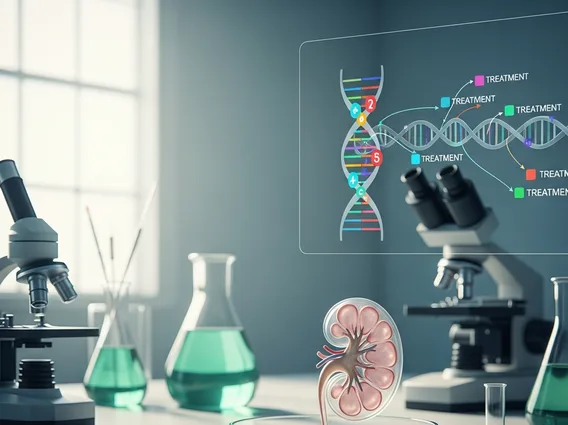
Clinical trials are at the forefront of developing innovative kidney cancer treatment options. These research studies test new drugs, combinations of existing therapies, or novel approaches to surgery and radiation. Participation in a clinical trial can provide access to cutting-edge treatments that are not yet widely available. Current innovations include exploring new targeted agents, advanced immunotherapy combinations, and personalized medicine approaches based on the genetic profile of an individual’s tumor. These trials are crucial for expanding our understanding and improving future treatment paradigms.
Future Directions in Treatment
Future directions in understanding kidney cancer treatments are focused on precision medicine, where therapies are tailored to the specific molecular characteristics of a patient’s tumor. This involves identifying biomarkers that predict response to certain drugs, allowing for more effective and less toxic treatments. Research is also exploring adoptive cell therapies, oncolytic viruses, and vaccines designed to stimulate a stronger immune response against kidney cancer. The goal is to develop highly effective, less invasive, and more personalized treatments that improve long-term survival and quality of life.
Managing Treatment Side Effects
While kidney cancer treatment aims to eliminate or control the disease, it can also lead to various side effects. Proactive management of these adverse reactions is a critical component of comprehensive cancer care, ensuring patients maintain the best possible quality of life throughout their treatment journey.
Common Adverse Reactions
The specific kidney cancer treatment side effects depend on the type of therapy received:
- Surgery: Common side effects include pain at the incision site, fatigue, and a risk of infection or bleeding. Partial nephrectomy may lead to a temporary decrease in kidney function.
- Targeted Therapy: These drugs can cause fatigue, high blood pressure, hand-foot syndrome (redness, swelling, and pain on palms and soles), diarrhea, and mouth sores.
- Immunotherapy: While generally well-tolerated, immunotherapy can cause immune-related adverse events, where the immune system attacks healthy tissues. These can affect various organs, leading to conditions like colitis, pneumonitis, hepatitis, or endocrine disorders.
Patients should openly communicate any symptoms they experience with their healthcare team, as many side effects can be managed effectively.
Supportive Care Strategies
Supportive care, also known as palliative care, focuses on preventing and relieving suffering and improving the quality of life for patients and their families. Strategies for managing treatment side effects include:
- Medication: Prescribing pain relievers, anti-nausea drugs, or medications to manage high blood pressure or diarrhea.
- Nutritional Support: Guidance from dietitians to manage appetite changes, weight loss, or specific dietary needs.
- Fatigue Management: Strategies such as regular, gentle exercise, energy conservation techniques, and addressing underlying causes like anemia.
- Psychological Support: Counseling, support groups, and stress-reduction techniques to help cope with the emotional challenges of cancer and its treatment.
A comprehensive supportive care plan is integral to successful kidney cancer treatment, helping patients navigate the physical and emotional demands of their therapy.
Frequently Asked Questions
What is the primary goal of kidney cancer treatment?
The primary goal of kidney cancer treatment is to eliminate the cancer or control its growth and spread. For localized disease, the aim is often curative, typically through surgery. For advanced or metastatic cancer, the focus shifts to extending life, alleviating symptoms, and maintaining the best possible quality of life. Treatment plans are always tailored to the individual, considering the specific characteristics of the cancer and the patient’s overall health and preferences.
How do doctors decide on the best treatment plan?
Doctors determine the best treatment for kidney cancer by considering several key factors. These include the cancer’s stage and type, its aggressiveness, and whether it has spread. Equally important are patient-specific factors such as age, overall health, kidney function, and personal preferences. A multidisciplinary team collaborates to evaluate all these aspects, ensuring that the chosen kidney cancer therapy choices are personalized and offer the highest chance of success with the fewest side effects.
Are there any non-surgical options for early-stage kidney cancer?
Yes, for certain patients with early-stage kidney cancer, non-surgical options are available. These primarily include ablation techniques such as cryoablation (freezing the tumor) and radiofrequency ablation (heating the tumor). These minimally invasive procedures are often considered for smaller tumors, especially in elderly patients, those with significant comorbidities, or individuals with only one kidney, where preserving kidney function is paramount. Active surveillance, which involves closely monitoring the tumor without immediate intervention, may also be an option for very small, slow-growing tumors.