
Joint Pain and Stiffness During Hormone Therapy
Many individuals undergoing hormone therapy experience joint pain and stiffness, a common side effect that can significantly impact daily life. Understanding the causes and effective management strategies is crucial for maintaining quality of life while continuing essential treatment.
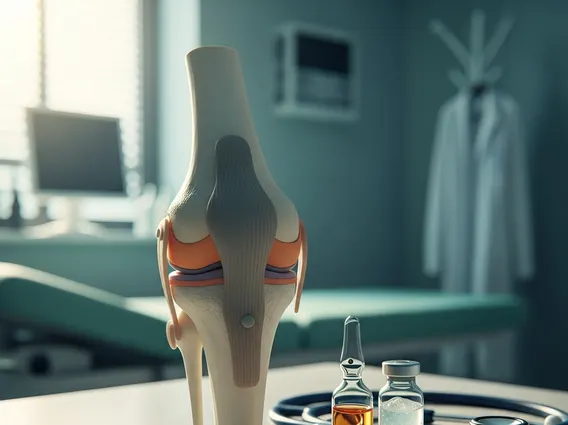
Key Takeaways
- Hormonal Changes: Hormone therapy, especially those that lower estrogen, can lead to inflammation and joint discomfort.
- Common Symptoms: Pain and stiffness often affect hands, knees, and hips, worsening in the morning.
- Lifestyle Management: Regular low-impact exercise, a healthy diet, and weight management are vital for relief.
- Medical Interventions: Over-the-counter pain relievers, prescription medications, and injections can provide significant relief.
- Consult Your Doctor: Always discuss symptoms with a healthcare provider to tailor a management plan and rule out other conditions.
Why Hormone Therapy Causes Joint Pain
The development of hormone therapy joint pain is a recognized side effect, often stemming from the profound changes in hormone levels that these treatments induce. While the exact mechanisms are complex, they primarily involve hormonal fluctuations impacting joint health and inflammatory responses.
Hormonal Fluctuations and Inflammation
Estrogen, a key hormone, plays a protective role in joint health by maintaining cartilage integrity, supporting synovial fluid production, and modulating inflammatory pathways. When hormone therapies lead to a significant reduction in estrogen levels, this protective effect diminishes. For instance, therapies that suppress estrogen can increase the production of pro-inflammatory cytokines, which contribute to joint pain and swelling. This explains many of the hormone therapy joint pain causes, as the body’s natural anti-inflammatory defenses are weakened, leading to increased sensitivity and discomfort in the joints.
Research indicates that up to 50% of women undergoing aromatase inhibitor therapy for breast cancer report arthralgia (joint pain), highlighting the prevalence of this issue. This pain is often linked to the systemic inflammatory response triggered by estrogen deprivation, which can affect various musculoskeletal tissues.
Specific Therapies and Risk Factors
Different types of hormone therapy can lead to joint pain, with varying degrees of severity. Aromatase inhibitors (AIs), commonly used in postmenopausal women with hormone-receptor-positive breast cancer, are particularly known for causing significant arthralgia. These drugs work by blocking the conversion of androgens into estrogen, leading to very low estrogen levels throughout the body. Other therapies, such as GnRH agonists (used for prostate cancer, endometriosis, or uterine fibroids) and even menopausal hormone therapy (MHT) in some individuals, can also induce joint discomfort.
Understanding why does hormone therapy cause joint pain involves recognizing that these treatments alter the delicate hormonal balance, affecting not just the reproductive system but also connective tissues. Risk factors that may predispose individuals to more severe hormone therapy side effects joint pain include a history of pre-existing joint conditions like osteoarthritis, higher body mass index (BMI), and older age. Genetic predispositions may also play a role in how individuals respond to these hormonal changes, influencing the intensity and duration of joint symptoms.
Identifying Hormone Therapy Joint Pain Symptoms
Recognizing the specific symptoms associated with hormone therapy joint pain is crucial for accurate diagnosis and effective management. While joint pain can arise from various causes, certain characteristics are more indicative of hormone therapy-related discomfort.
Common Areas Affected and Pain Characteristics
Individuals experiencing joint pain due to hormone therapy often report discomfort in specific areas. The most commonly affected joints include the hands, wrists, knees, hips, shoulders, and ankles. The pain is typically described as an aching, stiffness, or tenderness rather than sharp, localized pain. A hallmark symptom is morning stiffness, which can last for 30 minutes or more, gradually improving with movement throughout the day. This stiffness can make simple tasks challenging, impacting overall mobility and quality of life. The intensity of the pain can range from mild annoyance to severe discomfort, sometimes accompanied by mild swelling or warmth around the joints, though significant inflammation is less common than in conditions like rheumatoid arthritis.
Differentiating from Other Joint Issues
It is important to differentiate hormone therapy joint pain from other common joint conditions such as osteoarthritis or rheumatoid arthritis. While some symptoms may overlap, key distinctions exist. Hormone therapy-induced joint pain often has a clear temporal relationship with the initiation of the treatment, typically appearing within weeks or months of starting the therapy. Unlike osteoarthritis, which often involves structural damage to cartilage, hormone therapy pain is primarily inflammatory or related to changes in joint lubrication and elasticity. Unlike rheumatoid arthritis, which is an autoimmune disease characterized by symmetrical joint inflammation and often specific blood markers, hormone therapy pain usually lacks the systemic autoimmune features and severe, destructive joint changes. A thorough medical evaluation, including a review of medical history, physical examination, and sometimes blood tests, can help confirm whether the joint pain is indeed a side effect of hormone therapy or another underlying condition.
Effective Strategies for Managing Joint Pain
Managing joint pain on hormone therapy involves a multi-faceted approach, combining lifestyle adjustments with appropriate over-the-counter remedies. These strategies aim to alleviate discomfort, improve joint function, and enhance overall well-being.
Lifestyle Adjustments and Home Remedies
Incorporating specific lifestyle changes can provide significant relief for joint stiffness hormone therapy. Regular physical activity, particularly low-impact exercises such as walking, swimming, cycling, or yoga, helps maintain joint flexibility, strengthen surrounding muscles, and improve circulation without putting excessive stress on the joints. Aim for at least 30 minutes of moderate-intensity exercise most days of the week. A balanced, anti-inflammatory diet rich in omega-3 fatty acids (found in fish, flaxseeds), fruits, vegetables, and whole grains can also help reduce systemic inflammation. Maintaining a healthy weight is crucial, as excess body weight places additional strain on weight-bearing joints like the knees and hips. Applying heat (warm baths, heating pads) can relax stiff muscles and increase blood flow, while cold packs can reduce swelling and numb pain, offering temporary comfort. Mind-body practices like meditation, deep breathing exercises, and adequate sleep can also help manage pain perception and improve coping mechanisms.
Over-the-Counter Relief Options
For mild to moderate hormone therapy joint pain, several over-the-counter (OTC) options can provide relief. Nonsteroidal anti-inflammatory drugs (NSAIDs) like ibuprofen or naproxen can reduce both pain and inflammation. However, long-term use should be discussed with a doctor due to potential side effects such as gastrointestinal issues or cardiovascular risks. Acetaminophen (Tylenol) is another option for pain relief, particularly for those who cannot tolerate NSAIDs, but it does not reduce inflammation. Topical pain relievers, available as creams, gels, or patches containing ingredients like menthol, capsaicin, or diclofenac, can be applied directly to the affected joints for localized relief with fewer systemic side effects. Always follow dosage instructions and consult a pharmacist or doctor if you have underlying health conditions or are taking other medications.
Medical Treatments for Hormone-Related Joint Discomfort
When lifestyle adjustments and over-the-counter remedies are insufficient, medical interventions can provide more targeted treatments for joint pain during hormone therapy. These options range from prescription medications to specialized injections and complementary therapies.
Prescription Medications and Injections
For persistent or severe hormone therapy joint pain, a healthcare provider may recommend prescription medications. Low-dose corticosteroids can be prescribed for short periods to rapidly reduce inflammation and pain, though long-term use is generally avoided due to potential side effects. Certain antidepressants, such as duloxetine (Cymbalta), which is approved for chronic musculoskeletal pain, can also be effective in managing pain perception. In some cases, gabapentin (Neurontin), an anti-seizure medication, has shown promise in alleviating neuropathic pain components that may contribute to joint discomfort. For localized pain, joint injections can offer significant relief. Corticosteroid injections directly into the affected joint can reduce inflammation and pain for several weeks to months. Hyaluronic acid injections, which aim to lubricate the joint, may also be considered, particularly for knee pain. These medical approaches provide targeted hormone replacement therapy joint pain solutions by addressing the underlying inflammation and pain signals.
Complementary and Alternative Therapies
Many individuals explore complementary and alternative therapies as adjuncts to conventional medical treatments for managing joint pain on hormone therapy. Acupuncture, an ancient Chinese practice involving the insertion of thin needles into specific points on the body, has been shown in some studies to help reduce chronic pain, including joint pain, by stimulating the body’s natural pain-relieving mechanisms. Massage therapy can help relax muscles, improve circulation, and reduce stiffness around the joints. Certain dietary supplements, such as glucosamine and chondroitin, are often used for joint health, although scientific evidence supporting their effectiveness for hormone therapy-induced joint pain is mixed and generally limited. Turmeric and ginger, known for their anti-inflammatory properties, are also popular choices. It is crucial to discuss any complementary or alternative therapies, including supplements, with your doctor to ensure they are safe, appropriate for your condition, and do not interact with your existing medications.
Please note: Information on complementary and alternative therapies is for supportive purposes only and does not replace professional medical advice or treatment. Always consult with your healthcare provider before starting any new therapy or supplement.
Frequently Asked Questions
How long does hormone therapy joint pain typically last?
The duration of joint pain from hormone therapy can vary significantly among individuals. For some, symptoms may improve within a few months of starting treatment, while for others, they might persist throughout the entire course of therapy. In many cases, the pain tends to lessen or resolve after discontinuing hormone therapy, though this is not always feasible or recommended. Consistent management strategies, including lifestyle adjustments and medical interventions, can help mitigate discomfort for as long as needed.
Can I prevent joint pain before starting hormone therapy?
While there’s no guaranteed way to completely prevent hormone therapy joint pain, certain proactive measures can help reduce its severity or delay its onset. Maintaining a healthy weight, engaging in regular low-impact exercise, and following an anti-inflammatory diet before and during therapy can support joint health. Discussing potential side effects with your doctor beforehand allows for early intervention and the development of a personalized management plan, which might include specific supplements or physical therapy referrals.
When should I consult my doctor about joint pain during hormone therapy?
You should consult your doctor if your joint pain is severe, significantly interferes with your daily activities, or does not improve with home remedies. It’s also important to seek medical advice if you experience new or worsening swelling, redness, warmth around the joints, or if the pain is accompanied by fever or other systemic symptoms. Your doctor can help determine if the pain is indeed related to hormone therapy or if another condition requires attention, and can recommend appropriate medical treatments for joint pain during hormone therapy.



