Home Care Tips for Swallowing Difficulties
Swallowing difficulties, medically known as dysphagia, can significantly impact an individual’s quality of life, nutrition, and overall health. While professional medical guidance is crucial, effective home care for swallowing problems plays a vital role in managing this condition daily. This article provides practical advice and strategies to help individuals and caregivers navigate the challenges of dysphagia in a home setting.
Key Takeaways
- Modify food textures and liquid consistencies to ensure safer swallowing and adequate nutrition.
- Implement specific eating techniques, such as proper posture and slow eating, to reduce choking risks.
- Incorporate simple swallowing exercises for home care to strengthen muscles and improve coordination.
- Maintain diligent oral hygiene to prevent aspiration pneumonia, a common complication of dysphagia.
- Recognize critical warning signs that necessitate immediate consultation with a healthcare professional.
Home Care Tips for Swallowing Difficulties
Dysphagia is a condition that affects millions worldwide, with studies suggesting that up to 15% of the general population and a higher percentage among older adults experience some form of swallowing difficulty. For instance, the American Speech-Language-Hearing Association (ASHA) notes that dysphagia affects approximately 1 in 25 adults annually in the United States. Effective home care for swallowing problems is not just about managing symptoms; it’s about maintaining dignity, nutrition, and preventing serious complications like aspiration pneumonia and dehydration.
Successfully managing swallowing difficulties at home requires a comprehensive approach that includes dietary adjustments, specific eating techniques, and sometimes, targeted exercises. The goal is to make eating and drinking as safe and enjoyable as possible, reducing the risk of food or liquid entering the airway. This involves careful observation of the individual’s swallowing patterns and adapting the environment and food preparation accordingly.
Understanding what to do for swallowing issues at home begins with creating a supportive and calm mealtime environment. Rushing meals or eating in distracting settings can exacerbate difficulties. Prioritizing a relaxed atmosphere, free from interruptions, allows the individual to focus solely on the act of swallowing, which can significantly improve safety and efficiency. This foundational approach sets the stage for more specific interventions.
Safe Eating and Diet Modifications at Home
One of the most critical aspects of home care for swallowing problems involves modifying the diet to ensure safety and adequate nutrition. This often means adjusting the texture of foods and the consistency of liquids. The primary aim is to make food easier to chew and swallow, thereby minimizing the risk of choking or aspiration. These modifications should always be guided by a healthcare professional, such as a Speech-Language Pathologist (SLP) or a registered dietitian, who can recommend appropriate levels based on the individual’s specific needs.
Implementing safe eating tips for dysphagia involves more than just changing food; it also includes adopting specific mealtime behaviors. Encourage the individual to sit upright at a 90-degree angle during meals and remain in this position for at least 30 minutes afterward to aid digestion and prevent reflux. Taking small bites, eating slowly, and ensuring each mouthful is fully swallowed before taking another are crucial practices. Avoiding talking while eating can also help prevent food from entering the airway.
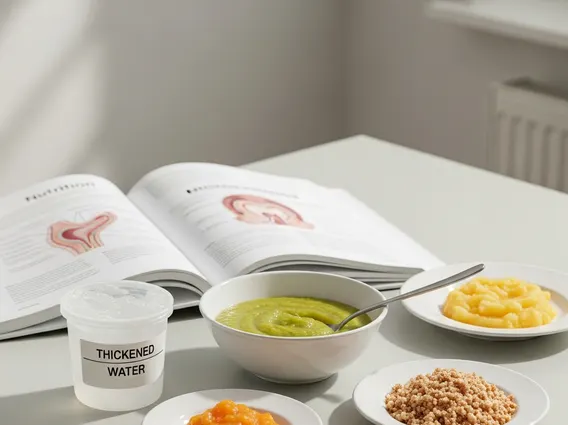
Hydration is equally important but can be challenging with swallowing difficulties. Thin liquids are often the hardest to control and can easily lead to aspiration. Therefore, liquids may need to be thickened to a nectar, honey, or pudding consistency using commercial thickeners. Offering sips of thickened liquids frequently throughout the day, rather than large quantities at once, can help maintain hydration safely. Always ensure the chosen consistency is consistent and appropriate for the individual’s swallowing ability.
Food Preparation Techniques
Proper food preparation is key to successful diet modification. For individuals requiring pureed diets, foods should be blended until completely smooth, free of lumps or stringy bits. Adding gravy, sauces, or broths can help achieve the desired consistency and moisture. For minced or soft diets, ensure meats are finely chopped and cooked until very tender, and vegetables are well-steamed or boiled until soft. Avoiding dry, crumbly, or sticky foods like crackers, dry toast, or peanut butter is generally recommended as they can be difficult to manage.
Liquid Thickening Strategies
When it comes to liquids, commercial thickening agents are often the safest and most reliable option. These products come in powder or gel forms and can be mixed into various beverages to achieve specific consistencies. It is vital to follow the manufacturer’s instructions carefully to ensure the correct thickness, as too thin a liquid can be unsafe, and too thick can be difficult to swallow and lead to dehydration. Always prepare thickened liquids immediately before consumption to maintain their consistency.
Swallowing Exercises and Practical Techniques
Beyond dietary adjustments, incorporating swallowing exercises for home care can play a significant role in improving muscle strength and coordination involved in the swallowing process. These exercises, often recommended by an SLP, are designed to target specific muscles in the mouth, throat, and larynx. Regular practice can help individuals regain some control over their swallow, making it safer and more efficient. Consistency is key, and exercises should be performed daily as prescribed by a professional.
Examples of common exercises include tongue strengthening (e.g., pressing the tongue firmly against the roof of the mouth or pushing it against a spoon), lip exercises (e.g., puckering and smiling), and jaw exercises (e.g., opening the mouth wide and holding). The “effortful swallow” technique, where one swallows as hard as possible, can also be beneficial in increasing muscle activity. These techniques, when practiced regularly, contribute significantly to managing swallowing difficulties at home by enhancing the physical mechanisms of swallowing.
In addition to exercises, certain practical techniques can be employed during meals to facilitate safer swallowing. These strategies, often called compensatory techniques, are immediate adjustments made during eating or drinking. They do not change the swallow physiology but rather redirect the food or liquid to a safer pathway. Learning and consistently applying these tips for dysphagia at home can make a substantial difference in mealtime safety.
Here are some practical tips for safer swallowing during meals:
- Chin Tuck: Before swallowing, tuck your chin down towards your chest. This can help widen the vallecula (a space in the throat) and narrow the airway entrance, reducing the risk of aspiration.
- Head Turn: Turning your head to one side (usually the weaker side, if known) can close off the weaker side of the pharynx, directing food down the stronger side.
- Alternate Solids and Liquids: Taking a sip of liquid after a bite of solid food can help clear any residue left in the mouth or throat.
- Multiple Swallows: Swallowing two or three times for each mouthful can help ensure all food or liquid has cleared the throat.
- Small Bites and Sips: Consistently taking very small amounts of food or drink reduces the volume that needs to be managed with each swallow.
Recognizing When to Seek Professional Help
While many home care tips for swallowing difficulties can be effectively implemented, it is crucial to recognize when symptoms warrant professional medical attention. Dysphagia can be a symptom of an underlying medical condition, and ignoring worsening signs can lead to serious health complications. Regular monitoring of the individual’s condition and being aware of red flags are essential components of managing swallowing difficulties at home safely and responsibly.
Several warning signs indicate that professional help is needed. These include unexplained weight loss, recurrent chest infections or pneumonia (which can be a sign of aspiration), persistent coughing or choking during or after meals, a wet or gurgly voice after swallowing, and significant pain or discomfort when swallowing. If you observe any of these symptoms, it is imperative to consult a doctor or an SLP promptly. Early intervention can prevent further complications and improve outcomes.
Knowing what to do for swallowing issues at home also means knowing when to escalate concerns. A Speech-Language Pathologist (SLP) is a specialist trained to diagnose and treat swallowing disorders. They can conduct a thorough assessment, recommend specific exercises, suggest appropriate diet modifications, and provide personalized strategies. Other healthcare professionals, such as a gastroenterologist or neurologist, may also be involved depending on the underlying cause of dysphagia. Never hesitate to seek expert advice if you are unsure or if the condition appears to be worsening.
Frequently Asked Questions
How can I make food easier to swallow at home?
To make food easier to swallow, focus on modifying its texture and consistency. Puree or finely mince foods, ensuring they are moist and free of lumps. Avoid dry, crumbly, or sticky items. Use gravies or sauces to add moisture. For liquids, use commercial thickeners to achieve nectar, honey, or pudding consistency as recommended by a healthcare professional. Always ensure the individual eats slowly, takes small bites, and maintains an upright posture during and after meals.
Are there simple swallowing exercises I can do daily?
Yes, simple exercises can help strengthen swallowing muscles. These often include tongue presses (pressing the tongue against the roof of the mouth), lip puckering, and jaw opening exercises. The “effortful swallow” technique, where you swallow as hard as you can, is also beneficial. It’s crucial to perform these exercises consistently, ideally daily, but always under the guidance of a Speech-Language Pathologist who can tailor a program to your specific needs and monitor progress for safety and effectiveness.
When should I be concerned about swallowing difficulties and seek professional help?
You should seek professional help if you notice persistent coughing or choking during or after meals, unexplained weight loss, recurrent chest infections or pneumonia, a wet or gurgly voice after swallowing, or significant pain when swallowing. These symptoms can indicate a serious underlying issue or aspiration. Consulting a doctor or a Speech-Language Pathologist promptly is vital for proper diagnosis, management, and to prevent potential complications, ensuring the safest approach to managing swallowing difficulties at home.