Home Care Tips for Skin and Nail Changes
Our skin and nails are often the first indicators of our overall health, reflecting everything from hydration levels to nutritional intake. While professional care is sometimes necessary, many common skin and nail changes can be effectively managed and improved with consistent and thoughtful home care practices. This article provides practical guidance on maintaining healthy skin and nails, offering actionable tips and natural remedies you can implement right away.
Key Takeaways
- Consistent hydration and gentle cleansing are fundamental for both skin and nail health.
- Natural remedies like oils and nutrient-rich foods can address common issues such as dryness and brittleness.
- Establishing a long-term routine and managing stress are crucial for sustained healthy skin and nails.
- Always monitor symptoms; persistent or worsening conditions warrant professional medical evaluation.
- Diet plays a significant role, with vitamins and minerals supporting structural integrity and resilience.
Effective Home Care Tips for Skin and Nail Changes
Maintaining vibrant skin and strong nails begins with a foundational approach to daily care. Implementing effective home care tips for skin and nail changes can significantly improve their appearance and resilience. Hydration is paramount; ensuring adequate water intake throughout the day helps keep skin supple and nails less prone to breakage. Externally, regular moisturizing is key. After washing, apply a rich moisturizer to damp skin to lock in moisture, paying special attention to hands and feet, which are often exposed to harsh elements.
Beyond hydration, gentle cleansing is vital. Opt for mild, pH-balanced cleansers that do not strip the skin of its natural oils. For nails, avoid harsh chemicals found in some polishes and removers, and always use a base coat to protect them. Protecting your skin and nails from environmental stressors, such as excessive sun exposure and cold, dry air, is also crucial. Wearing gloves when doing dishes or gardening can shield your hands and nails from damage. These simple yet consistent practices form the bedrock of the best home care for skin and nails, promoting their long-term health and vitality.
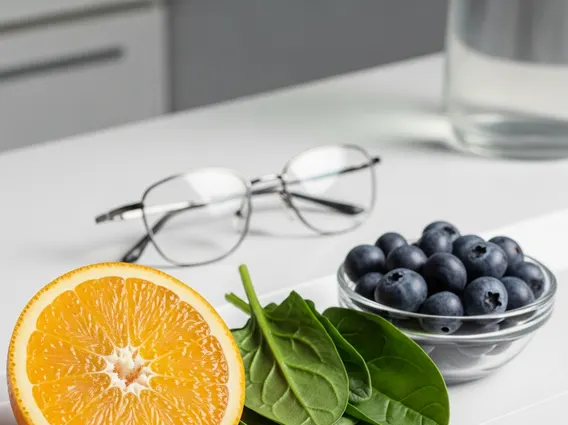
Furthermore, adopting a balanced diet rich in vitamins and minerals directly supports skin and nail health. Nutrients like biotin, vitamin E, vitamin C, and zinc are essential for cell regeneration and collagen production. For instance, according to the National Institutes of Health, biotin deficiency can manifest as brittle nails and hair loss, underscoring the importance of dietary intake. Incorporating foods such as leafy greens, nuts, seeds, and lean proteins can provide these vital building blocks. These tips for healthy skin and nails at home are not just about aesthetics but about nurturing the structural integrity of these vital body parts.
DIY Remedies for Common Skin and Nail Problems
When minor skin and nail issues arise, several accessible home remedies for skin and nail changes can offer relief and support healing. These DIY skin and nail care tips often leverage natural ingredients known for their soothing, moisturizing, or strengthening properties. However, it’s important to remember that these are best for mild, non-persistent conditions and should not replace professional medical advice for severe or worsening problems.
Addressing Dryness and Irritation
Dry skin, characterized by flakiness, itching, or tightness, can often be alleviated with natural emollients. Coconut oil, a popular choice, is rich in fatty acids that help moisturize and protect the skin barrier. Applying a small amount to dry patches or cuticles before bed can significantly improve hydration. Similarly, aloe vera gel is renowned for its soothing and anti-inflammatory properties, making it excellent for minor skin irritations or sunburns. For widespread dryness, an oatmeal bath can provide relief; colloidal oatmeal creates a protective barrier on the skin, reducing itching and locking in moisture. These natural solutions for skin and nail health are gentle yet effective.
For minor fungal issues affecting nails, some individuals find success with tea tree oil due to its purported antifungal properties. It should be diluted with a carrier oil, such as jojoba or almond oil, and applied cautiously to the affected area. Always perform a patch test first to check for sensitivity. While anecdotal evidence supports its use, scientific backing for significant fungal infections is limited, and persistent issues require a doctor’s evaluation. These at-home treatments for skin and nail problems are designed to complement, not replace, professional medical care.
Strengthening Brittle Nails
Brittle nails, which tend to split, peel, or break easily, can benefit from targeted home care. Regular application of nourishing oils can improve nail flexibility and strength. Olive oil, for instance, can be warmed slightly and used as a nail soak for 10-15 minutes a few times a week. Its penetrating properties help moisturize the nail plate and cuticles. Similarly, vitamin E oil, either from capsules or derived from natural sources, can be massaged into the nails and surrounding skin to promote healthier growth and reduce brittleness.
Another approach to strengthening nails involves dietary adjustments. As mentioned, biotin is crucial for nail health. Foods rich in biotin include eggs, nuts, sweet potatoes, and avocados. While supplements are available, it’s generally recommended to obtain nutrients from a balanced diet first. Consistent application of these remedies, combined with avoiding harsh chemicals and excessive water exposure, can lead to noticeable improvements in nail strength and appearance. Here’s a quick guide to some common natural ingredients and their benefits:
| Ingredient | Primary Benefit | Application Tip |
|---|---|---|
| Coconut Oil | Moisturizing, Antimicrobial | Apply to dry skin, cuticles, or as an overnight mask. |
| Aloe Vera | Soothing, Anti-inflammatory | Apply fresh gel to irritated skin or minor burns. |
| Olive Oil | Nourishing, Strengthening | Warm and use as a nail soak for brittle nails. |
| Tea Tree Oil | Antifungal (diluted) | Dilute with carrier oil for minor nail concerns (patch test first). |
| Oatmeal (Colloidal) | Itch Relief, Skin Barrier Support | Add to bathwater for widespread dry or itchy skin. |
Long-Term Strategies for Healthy Skin and Nails
Achieving and maintaining optimal skin and nail health requires more than just quick fixes; it demands a commitment to long-term strategies. Establishing a consistent daily routine is paramount. This includes regular cleansing, moisturizing, and protecting your skin and nails from environmental damage. Consistency helps to reinforce the skin’s natural barrier and supports healthy nail growth cycles. Furthermore, understanding how to effectively manage stress is a critical component of managing skin and nail issues at home. Chronic stress can trigger various skin conditions, such as eczema and acne, and can also impact nail growth and strength.
A holistic approach to wellness significantly contributes to the health of your skin and nails. This encompasses a balanced diet, adequate sleep, and regular physical activity. A diet rich in antioxidants, healthy fats, and proteins provides the necessary building blocks for healthy cell regeneration. For example, omega-3 fatty acids found in fish and flaxseeds can reduce inflammation and support skin hydration. Sufficient sleep allows the body to repair and regenerate cells, which is vital for both skin and nail health. Regular exercise improves circulation, delivering essential nutrients and oxygen to skin cells and nail beds, further enhancing their vitality.
Beyond internal factors, adopting mindful habits can prevent damage and promote resilience. Avoid habits like nail-biting or picking at cuticles, which can introduce bacteria and lead to infections. When performing tasks that involve water or chemicals, always wear protective gloves. Regularly trimming nails straight across and gently filing them can prevent ingrown nails and snags. These comprehensive tips for healthy skin and nails at home are about fostering an environment where your skin and nails can thrive naturally, reflecting your overall well-being.
When to Seek Professional Advice
While many skin and nail changes can be effectively managed with home care, it is crucial to recognize when professional medical advice is warranted. Certain symptoms or persistent conditions may indicate an underlying health issue that requires diagnosis and treatment by a dermatologist or healthcare provider. Ignoring these warning signs can lead to more severe complications or delay necessary medical intervention. For instance, if you notice a mole changing in size, shape, or color, or if a new, unusual growth appears on your skin, it is imperative to seek immediate professional evaluation, as these could be indicators of skin cancer.
Similarly, concerning changes in nail health should not be overlooked. Persistent discoloration, thickening, or crumbling of nails, especially if accompanied by pain or swelling, could signal a fungal infection, bacterial infection, or even a systemic disease. For example, according to the American Academy of Dermatology, approximately 50% of all nail disorders are caused by fungal infections, which often require prescription antifungal treatments. If home remedies for skin and nail changes do not yield improvement within a reasonable timeframe (e.g., a few weeks), or if symptoms worsen, it’s time to consult a professional. This also applies to chronic skin conditions like severe eczema, psoriasis, or persistent acne that do not respond to over-the-counter treatments.
Other red flags include signs of infection such as increasing redness, warmth, pus, or significant pain around a skin lesion or nail. Unexplained rashes, severe itching, or widespread skin inflammation that interferes with daily life also necessitate medical attention. A healthcare professional can accurately diagnose the condition, rule out serious illnesses, and recommend appropriate medical treatments, which may include prescription medications or specialized procedures. Remember, home care is an excellent supportive measure, but it is not a substitute for professional medical diagnosis and treatment when health concerns are significant or persistent.
Frequently Asked Questions
How often should I moisturize my skin and nails?
For optimal health, moisturize your skin at least twice daily, ideally after showering or washing your hands, to lock in moisture. For nails and cuticles, a daily application of a rich cream or oil is beneficial, especially if they are prone to dryness or brittleness. Consistency is more important than the quantity of product used, ensuring your skin and nails remain hydrated and protected throughout the day and night.
Can diet truly impact skin and nail health?
Absolutely. Diet plays a significant role in the health and appearance of your skin and nails. A diet rich in vitamins (A, C, E, biotin), minerals (zinc, selenium), and essential fatty acids provides the necessary building blocks for strong nails and healthy, resilient skin. Deficiencies in these nutrients can manifest as dry skin, brittle nails, or other dermatological issues, underscoring the importance of balanced nutrition.
What are common signs that I should stop home remedies and see a doctor?
You should consult a doctor if your symptoms worsen, persist despite consistent home care, or if you experience new signs such as severe pain, swelling, pus, spreading redness, or fever. Any rapidly changing moles, new skin growths, or significant discoloration of nails also warrant immediate professional evaluation. Home remedies are for minor issues; persistent or severe conditions require medical diagnosis and treatment.
Disclaimer: The information provided in this article is for general informational purposes only and does not constitute medical advice. While home remedies and natural solutions can be supportive, they are not a substitute for professional medical diagnosis, treatment, or advice from a qualified healthcare provider. Always consult with a doctor or dermatologist for any persistent or concerning skin and nail changes.