Home Care Tips for Sexual Health Issues in Women
Addressing sexual health issues is a vital aspect of overall well-being for women. While some conditions require professional medical intervention, many common concerns can be effectively managed with thoughtful home care tips for sexual health issues in women. This article explores various at-home strategies, from natural remedies to self-care practices, aimed at supporting and improving women’s intimate health.
Key Takeaways
- Many common female sexual health issues can be supported through effective home care and lifestyle adjustments.
- Natural remedies for female sexual problems, including dietary changes and herbal supplements, can complement conventional treatments.
- Prioritizing self-care tips for women’s intimate health, such as stress management and regular exercise, is crucial for overall sexual wellness.
- Understanding when to seek professional medical advice is essential, as home care is supportive and not a substitute for diagnosis or treatment of serious conditions.
- Consistent application of at-home solutions for women’s sexual health can significantly contribute to improved quality of life and sexual satisfaction.
Home Care Tips for Sexual Health Issues in Women
Navigating sexual health concerns can be challenging, but many women find relief and improvement through dedicated home care for women’s sexual health issues. These strategies often focus on lifestyle modifications, hygiene practices, and general wellness to address underlying factors contributing to discomfort or dysfunction. It’s important to approach these tips with consistency and patience, understanding that results may vary and individual responses differ.
Effective at-home solutions for women’s sexual health encompass a range of practices designed to promote comfort, reduce symptoms, and enhance overall intimate well-being. These can include maintaining proper hydration, ensuring adequate sleep, and wearing breathable underwear to prevent common irritations. Approximately 40-45% of women experience some form of sexual dysfunction, according to a review published in the Journal of Sexual Medicine, highlighting the widespread need for accessible and supportive care strategies, including those that can be implemented at home.
Incorporating these home care tips into daily routines can create a supportive environment for sexual health. This proactive approach not only helps in managing existing issues but also plays a preventative role against future concerns. By understanding the body’s needs and responding with appropriate care, women can take significant steps towards better sexual wellness.
Natural Remedies for Female Sexual Problems
Exploring natural remedies for female sexual problems can offer complementary pathways to address various intimate health concerns. These remedies often involve dietary adjustments, herbal supplements, and other holistic approaches aimed at supporting the body’s natural functions. While natural options can be beneficial, it is crucial to consult a healthcare provider before incorporating any new supplements or significant dietary changes, especially if you are on medication or have underlying health conditions.
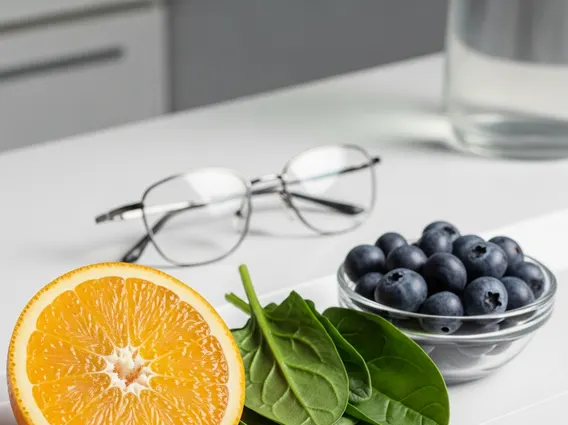
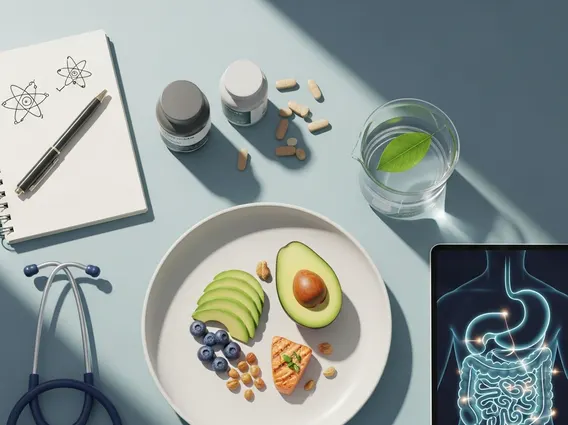
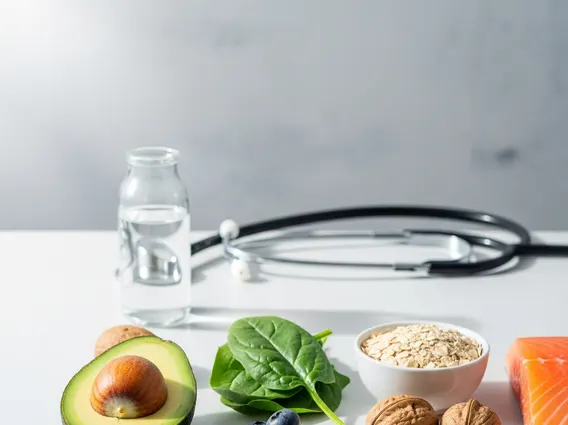
Certain foods and herbs are believed to support hormonal balance, improve circulation, or reduce inflammation, all of which can impact sexual health. For instance, foods rich in omega-3 fatty acids, such as flaxseeds and fatty fish, may support vaginal lubrication and overall cardiovascular health, which is vital for sexual response. Similarly, some women find relief from symptoms like dryness or discomfort through the use of specific botanical extracts, though scientific evidence varies for many of these.
When considering natural remedies, quality and sourcing are paramount. Opt for reputable brands and discuss dosages with a professional. Here is a table outlining some commonly discussed natural approaches:
| Natural Approach | Potential Benefit for Sexual Health | Considerations |
|---|---|---|
| Herbal Supplements (e.g., Maca, Ginseng) | May support libido, energy, and hormonal balance. | Consult a doctor, potential interactions with medications, varying efficacy. |
| Dietary Changes (e.g., Omega-3 rich foods) | Supports cardiovascular health, may improve lubrication and mood. | Focus on whole, unprocessed foods; consistent intake for benefits. |
| Probiotics (e.g., fermented foods, supplements) | Promotes vaginal microbiome balance, helps prevent infections. | Choose strains specific for vaginal health; consistent use. |
| Topical Coconut Oil | Natural lubricant, moisturizing properties for external use. | Not compatible with latex condoms; patch test for sensitivity. |
These approaches are intended to be supportive and should not replace conventional medical treatment for diagnosed conditions. Always prioritize safety and informed decision-making when exploring natural options for intimate health.
Self-Care Practices for Intimate Wellness
Adopting comprehensive self-care tips for women’s intimate health is fundamental for overall well-being and can significantly contribute to improving women’s sexual wellness at home. These practices extend beyond specific remedies, encompassing lifestyle choices that nurture both physical and emotional health. Recognizing the intricate connection between mind and body is key to fostering a healthy sexual life.
Effective self-care involves regular physical activity, which improves circulation, boosts mood, and can enhance body image and confidence. Additionally, stress management techniques, such as mindfulness, meditation, or yoga, are crucial. Chronic stress can negatively impact hormonal balance and libido, making relaxation an important component of intimate wellness. By proactively engaging in these practices, women can create a foundation for better sexual health.
Mind-Body Connection and Emotional Well-being
The mind-body connection plays a pivotal role in sexual health. Emotional well-being, including self-esteem, body image, and relationship satisfaction, directly influences sexual desire and response. Practices that foster emotional health, such as journaling, spending time in nature, or engaging in hobbies, can indirectly support sexual wellness. Addressing underlying emotional stressors or anxieties is a critical step in managing female sexual dysfunction at home. Open communication with partners and seeking support from trusted friends or therapists can also significantly enhance emotional and sexual intimacy.
Physical Activity and Pelvic Health
Regular physical activity is not only good for general health but also specifically beneficial for pelvic health. Exercises like walking, swimming, or cycling improve blood flow throughout the body, including the pelvic region, which is essential for arousal and lubrication. Furthermore, targeted pelvic floor exercises, often known as Kegels, can strengthen the muscles that support the bladder, uterus, and bowels. These exercises can improve bladder control, enhance sexual sensation, and reduce discomfort during intercourse. Learning to correctly perform pelvic floor exercises, perhaps with guidance from a physical therapist, is a valuable self-care tip for intimate health.
When to Seek Professional Medical Advice
While home care tips for sexual health issues in women and natural remedies can be highly beneficial for managing mild symptoms and promoting overall wellness, it is crucial to recognize when professional medical advice is necessary. Certain symptoms or persistent issues warrant a consultation with a healthcare provider to ensure proper diagnosis and treatment. Delaying medical attention for serious conditions can lead to complications or prolonged discomfort.
You should seek medical advice if you experience severe pain during intercourse, persistent vaginal itching or burning, unusual discharge, or unexplained bleeding. Additionally, if home remedies and self-care practices do not alleviate symptoms, or if your sexual health concerns are significantly impacting your quality of life, a doctor can provide a comprehensive evaluation. Conditions such as endometriosis, pelvic inflammatory disease, severe hormonal imbalances, or sexually transmitted infections require professional diagnosis and specific medical treatments.
A healthcare provider can offer personalized guidance, conduct necessary tests, and discuss various treatment options, which may include medication, therapy, or lifestyle interventions. They can also rule out more serious underlying conditions and ensure that any home care strategies or natural remedies you are considering are safe and appropriate for your specific health profile. Prioritizing open communication with your doctor about your sexual health concerns is a vital step towards effective management and recovery.
Frequently Asked Questions
Can diet really impact female sexual health?
Yes, diet plays a significant role in overall health, including sexual wellness. A balanced diet rich in whole foods, healthy fats, and antioxidants can support hormonal balance, improve blood circulation, and reduce inflammation, all of which are crucial for sexual function and desire. For instance, foods high in omega-3 fatty acids may enhance lubrication, while a diet that supports gut health can prevent vaginal infections. Proper nutrition contributes to energy levels and mood, indirectly boosting sexual well-being.
How long does it take for home care tips to show results?
The timeframe for seeing results from home care tips varies greatly depending on the specific issue, its severity, and individual consistency. For minor irritations or dryness, improvements might be noticed within days or weeks with consistent application of remedies and self-care. For more complex issues like managing female sexual dysfunction at home, it could take several weeks to months to observe significant changes, as lifestyle adjustments and emotional well-being require sustained effort. Patience and consistency are key.
Are there any risks associated with natural remedies for sexual health?
While often perceived as safe, natural remedies can carry risks. Some herbs may interact with medications, cause allergic reactions, or have side effects. For example, certain essential oils, if not properly diluted, can cause skin irritation. It’s also important to ensure that any topical natural remedy, like coconut oil, is compatible with barrier methods of contraception if used internally. Always consult a healthcare provider before starting any new natural remedy, especially if you have existing health conditions or are pregnant.
Disclaimer: The information provided in this article is for educational and informational purposes only and does not constitute medical advice. It is intended to support, not replace, the relationship that exists between a patient/site visitor and his/her physician. Always consult with a qualified healthcare professional for any health concerns or before making any decisions related to your health or treatment. This content is not intended to diagnose, treat, cure, or prevent any disease and has not been evaluated by the Food and Drug Administration.