Home Care Tips for Sexual Health Issues in Men
Addressing sexual health concerns is a vital aspect of overall well-being for men. While professional medical advice is always paramount, understanding effective home care tips for sexual health issues in men can significantly contribute to managing and improving these conditions. This article explores various natural strategies and lifestyle adjustments that can support male sexual wellness from the comfort of your home.

Key Takeaways
- Many common male sexual health issues can be positively influenced by lifestyle changes and natural approaches.
- Dietary adjustments, regular exercise, and effective stress management are foundational for improving sexual wellness.
- Specific natural remedies and supplements may offer support, but always consult a healthcare professional before starting new treatments.
- Maintaining open communication with partners and seeking medical advice for persistent issues are crucial steps for lasting sexual health.
- A holistic approach combining self-care with professional guidance provides the best pathway to optimal male sexual health.
Understanding Common Male Sexual Health Issues
Male sexual health encompasses a range of physical and psychological factors that influence sexual function and satisfaction. Several common issues can affect men at different stages of life, impacting their quality of life and relationships. These often include erectile dysfunction (ED), low libido (reduced sex drive), and premature ejaculation.
Erectile dysfunction, characterized by the inability to achieve or maintain an erection firm enough for sexual intercourse, is a widespread concern. According to the National Institute of Diabetes and Digestive and Kidney Diseases (NIDDK), ED affects approximately 30 million men in the United States, highlighting its prevalence. Low libido, another common issue, can stem from hormonal imbalances, stress, fatigue, or underlying medical conditions. Premature ejaculation, where ejaculation occurs sooner than desired during sexual activity, also affects a significant number of men, leading to distress and relationship challenges. Understanding these issues is the first step towards finding effective sexual health tips for men at home and exploring various self-care for men’s sexual wellness strategies.
Home Care Tips for Sexual Health Issues in Men
Effective home care tips for sexual health issues in men involve a multi-faceted approach, combining dietary adjustments, physical activity, and mental well-being practices. These strategies aim to address the root causes of many sexual health problems, promoting overall vitality and improving sexual function naturally. By adopting consistent routines, men can take proactive steps in managing male sexual issues naturally and enhancing their intimate lives.
One of the most impactful areas for home care is nutrition. A balanced diet rich in specific nutrients can significantly support circulatory health, hormone production, and nerve function, all crucial for sexual performance. Incorporating foods that boost nitric oxide production, a molecule essential for blood vessel dilation, can be particularly beneficial. Furthermore, managing stress through relaxation techniques and ensuring adequate sleep are fundamental components of at-home advice for men’s sexual problems, as stress and fatigue are known inhibitors of sexual desire and function.
Dietary Adjustments for Sexual Health
Optimizing your diet is a cornerstone of improving male sexual health with home care. Certain foods are known to support blood flow, hormone balance, and overall energy levels, which are all vital for robust sexual function. Focusing on whole, unprocessed foods while limiting sugar, unhealthy fats, and excessive processed items can make a significant difference.
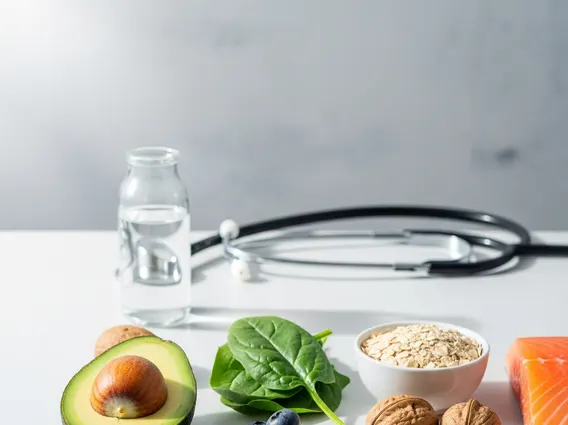
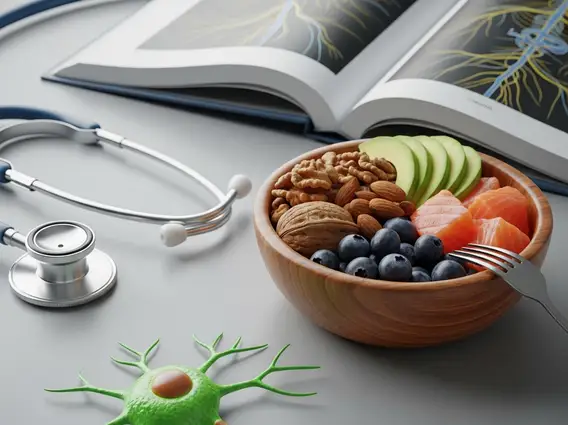
- Leafy Greens and Beets: Rich in nitrates, which the body converts into nitric oxide, these vegetables help relax blood vessels and improve circulation.
- Berries and Citrus Fruits: Packed with antioxidants and Vitamin C, they protect cells from damage and support healthy blood flow.
- Nuts and Seeds: Almonds, walnuts, and pumpkin seeds provide zinc, selenium, and omega-3 fatty acids, crucial for testosterone production and sperm health.
- Fatty Fish: Salmon, mackerel, and sardines are excellent sources of omega-3s, which support cardiovascular health and reduce inflammation.
- Garlic and Onions: These contain compounds that promote healthy circulation and may help prevent arterial plaque buildup.
Stress Management Techniques
Chronic stress is a major contributor to sexual dysfunction, affecting libido, erectile function, and overall sexual satisfaction. The body’s stress response can divert blood flow away from non-essential functions like sexual arousal and interfere with hormone regulation. Implementing effective stress management techniques is therefore a critical aspect of home remedies for male sexual health problems.
Mindfulness meditation, deep breathing exercises, and yoga are powerful tools for reducing stress and promoting relaxation. Regular practice can lower cortisol levels, improve mood, and enhance the body’s ability to respond to sexual stimuli. Even simple activities like spending time in nature, listening to calming music, or engaging in hobbies can significantly alleviate stress. Prioritizing mental well-being creates a more conducive environment for healthy sexual function and overall life satisfaction.
Natural Approaches to Improve Male Sexual Wellness
Beyond diet and stress management, several other natural approaches contribute significantly to improving male sexual health with home care. These methods often focus on enhancing physical fitness, ensuring adequate rest, and exploring specific supplements under professional guidance. A holistic view of health acknowledges that various bodily systems are interconnected, and optimizing one area can positively impact another, including sexual function.
Regular physical activity is one of the most effective natural solutions for male sexual dysfunction. Exercise, particularly cardiovascular workouts and strength training, improves blood circulation, boosts testosterone levels, and enhances mood. For instance, a study published in The American Journal of Cardiology found that men who engaged in regular physical activity had a lower risk of erectile dysfunction compared to sedentary individuals. Aim for at least 30 minutes of moderate-intensity exercise most days of the week. Additionally, ensuring 7-9 hours of quality sleep per night is crucial, as sleep deprivation can negatively impact hormone balance and energy levels, directly affecting libido and sexual performance.
While the focus is on home care, it’s important to mention that some men explore herbal remedies or supplements. Ingredients like Panax ginseng, L-arginine, and yohimbe are sometimes used to support sexual function, primarily by improving blood flow or acting as aphrodisiacs. However, the scientific evidence for many of these is mixed, and they can interact with medications or have side effects. Therefore, any consideration of supplements should always be discussed with a healthcare provider to ensure safety and efficacy, especially when seeking natural solutions for male sexual dysfunction.
Lifestyle Habits for Lasting Sexual Health
Cultivating healthy lifestyle habits is fundamental for achieving and maintaining lasting sexual health. These habits extend beyond immediate remedies and form the bedrock of overall well-being, which inherently supports robust sexual function. Adopting these practices contributes significantly to self-care for men’s sexual wellness and can prevent the onset or worsening of many sexual health issues.
Avoiding harmful substances is paramount. Smoking, for example, severely damages blood vessels, impairing blood flow to the penis and significantly increasing the risk of erectile dysfunction. Excessive alcohol consumption can also temporarily reduce libido and performance, and chronic heavy drinking can lead to long-term sexual health problems. Limiting or eliminating these substances is a critical step in preserving sexual vitality. Maintaining a healthy body weight is another crucial factor, as obesity is linked to hormonal imbalances, cardiovascular disease, and diabetes, all of which can negatively impact sexual function.
Regular medical check-ups are also an often-overlooked aspect of sexual health maintenance. These appointments allow for early detection and management of underlying conditions such as high blood pressure, diabetes, and high cholesterol, which are major risk factors for sexual dysfunction. Open communication with a healthcare provider about any sexual health concerns ensures timely and appropriate intervention, complementing any at-home advice for men’s sexual problems. Furthermore, fostering healthy relationships and open communication with a partner can alleviate performance anxiety and enhance emotional intimacy, which are integral components of a fulfilling sexual life.
Frequently Asked Questions
Can diet really impact male sexual health?
Absolutely. A balanced diet rich in fruits, vegetables, whole grains, and lean proteins can significantly improve cardiovascular health, optimize hormone levels, and enhance blood flow, all of which are crucial for male sexual function. Foods high in nitrates, antioxidants, and essential minerals like zinc play a direct role in supporting erections and libido. Conversely, diets high in processed foods, unhealthy fats, and sugars can contribute to conditions like obesity and diabetes, which are major risk factors for sexual dysfunction.
When should I see a doctor for sexual health issues?
While home care tips can be beneficial, it’s crucial to consult a doctor if you experience persistent or worsening sexual health issues. This includes consistent erectile dysfunction, a sudden drop in libido, painful intercourse, or any new symptoms. A healthcare professional can accurately diagnose the underlying cause, rule out serious medical conditions, and recommend appropriate treatments, which may include lifestyle changes, medication, or other therapies. Early intervention can prevent complications and improve outcomes.
Are there any risks with natural remedies for sexual health?
Yes, even natural remedies can carry risks. Some herbal supplements may interact with prescription medications, cause side effects, or be contaminated with undeclared ingredients. For example, certain herbs can affect blood pressure or blood sugar levels. It is essential to discuss any natural remedies or supplements you are considering with your doctor or a qualified healthcare provider. They can advise on potential risks, appropriate dosages, and ensure that these approaches are safe and suitable for your individual health profile.
Disclaimer: The information provided in this article is for educational purposes only and is not intended to be a substitute for professional medical advice, diagnosis, or treatment. Always seek the advice of your physician or other qualified health provider with any questions you may have regarding a medical condition. Never disregard professional medical advice or delay in seeking it because of something you have read in this article.