Home Care Tips for Organ-Related Inflammation
Organ-related inflammation can be a challenging condition, often requiring a multi-faceted approach to management. While medical treatment is paramount, incorporating effective home care tips for organ inflammation can significantly support recovery and improve quality of life. This article explores practical strategies, from dietary adjustments to lifestyle modifications, to help individuals navigate living with and reducing organ inflammation.

Key Takeaways
- Prioritize communication with healthcare providers for a tailored management plan.
- Adopt an anti-inflammatory diet rich in whole foods and limit processed items.
- Implement stress reduction techniques and ensure adequate rest to support healing.
- Engage in gentle, regular physical activity as advised by a medical professional.
- Understand that home care complements, but does not replace, professional medical treatment.
Effective Home Care Tips for Organ Related Inflammation
Managing organ inflammation at home involves a combination of vigilant self-monitoring, adherence to medical advice, and proactive measures to support the body’s healing processes. It is crucial to remember that home care is always complementary to, and not a substitute for, professional medical guidance. Regular consultations with your doctor are essential to monitor your condition and adjust your treatment plan as needed.
One of the foundational aspects of home care is adequate rest. Inflammation often drains the body’s energy reserves, making rest vital for recovery. Ensure you get sufficient sleep each night and incorporate short rest periods throughout the day if necessary. Additionally, staying well-hydrated by drinking plenty of water helps support cellular function and can aid in the body’s natural detoxification processes. Monitoring your symptoms closely and keeping a detailed log can also be incredibly beneficial, providing valuable information for your healthcare team to assess the effectiveness of your treatment and home care strategies.
For individuals dealing with organ inflammation, certain practical tips can make a significant difference in daily comfort and overall well-being. These strategies aim to reduce discomfort and create an environment conducive to healing:
- Temperature Regulation: Use warm compresses or heating pads for localized discomfort, or cool compresses to soothe inflamed areas, as recommended by your doctor.
- Gentle Movement: While rest is important, gentle movement, such as short walks, can prevent stiffness and improve circulation, provided it doesn’t exacerbate symptoms.
- Avoid Irritants: Identify and avoid environmental triggers or substances that may worsen inflammation, such as certain chemicals, allergens, or tobacco smoke.
- Pain Management: Follow your doctor’s instructions for over-the-counter or prescription pain relief, and understand when and how to use them safely.
Dietary Strategies to Reduce Organ Inflammation
The food we consume plays a significant role in our body’s inflammatory response. Adopting a specific diet to reduce organ inflammation can be a powerful tool in managing the condition. An anti-inflammatory diet generally emphasizes whole, unprocessed foods while limiting items known to promote inflammation. This approach supports the body’s natural healing mechanisms and can help alleviate symptoms associated with inflamed organs.
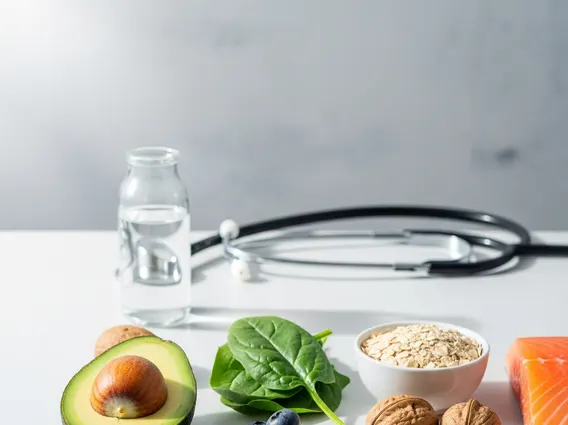
Focusing on nutrient-dense foods is key. Incorporate a wide variety of fruits and vegetables, which are rich in antioxidants and phytochemicals that combat oxidative stress and inflammation. Berries, leafy greens, and cruciferous vegetables like broccoli and cauliflower are particularly beneficial. Omega-3 fatty acids, found in fatty fish, flaxseeds, and walnuts, are also potent anti-inflammatory agents. Including these healthy fats in your diet can contribute to reducing systemic inflammation. Conversely, it’s important to minimize or eliminate foods that can trigger or exacerbate inflammation, such as refined sugars, trans fats, and highly processed foods.
Many natural remedies for inflamed organs are rooted in dietary choices. While these are supportive measures, they should always be discussed with a healthcare professional, especially when dealing with specific organ inflammation. Certain herbs and spices, like turmeric (curcumin), ginger, and garlic, have well-documented anti-inflammatory properties and can be incorporated into your cooking. For example, a 2019 review published in the journal Foods highlighted curcumin’s potential in modulating inflammatory pathways, suggesting its therapeutic benefits in various inflammatory conditions. However, the efficacy and appropriate dosage for specific conditions should be determined by a medical expert.
Here’s a concise overview of dietary recommendations:
| Food Category | Recommended Items | Items to Limit/Avoid |
|---|---|---|
| Fruits & Vegetables | Berries, leafy greens, broccoli, bell peppers, cherries | Processed fruit juices, canned fruits with added sugar |
| Proteins | Fatty fish (salmon, mackerel), lean poultry, legumes, nuts, seeds | Red and processed meats, fried chicken |
| Fats | Olive oil, avocado oil, nuts, seeds, avocados | Trans fats (margarine, fried foods), excessive saturated fats |
| Grains | Whole grains (oats, brown rice, quinoa) | Refined grains (white bread, pasta, pastries) |
| Beverages | Water, herbal teas, green tea | Sugary drinks, excessive alcohol |
Lifestyle and Self-Care for Organ Inflammation Relief
Beyond diet, a holistic approach to self-care strategies for organ inflammation encompasses various lifestyle adjustments that can significantly impact your well-being. These strategies focus on reducing stress, promoting physical health, and ensuring adequate rest, all of which are critical for managing chronic inflammation. Integrating these practices into your daily routine can provide substantial lifestyle tips for organ inflammation relief, working in conjunction with medical treatments.
Chronic stress is a known contributor to systemic inflammation. When the body is under constant stress, it releases hormones that can exacerbate inflammatory responses. Therefore, effective stress management is not just about mental well-being but also a crucial component of physical health. Finding healthy ways to cope with stress can help mitigate its impact on your organs. Similarly, maintaining a healthy body weight through balanced nutrition and regular physical activity can reduce the burden on your organs and lower inflammatory markers. According to the Centers for Disease Control and Prevention (CDC), maintaining a healthy weight can significantly reduce the risk of many chronic diseases, including those linked to inflammation.
Stress Management Techniques
Incorporating stress-reducing activities into your daily life can have a profound effect on inflammation. These techniques help calm the nervous system and promote a sense of well-being, which in turn can positively influence your body’s inflammatory pathways. Experiment with different methods to find what works best for you and integrate them consistently.
- Mindfulness and Meditation: Regular practice can help you stay present, reduce rumination, and lower stress hormone levels. Even short daily sessions can be beneficial.
- Deep Breathing Exercises: Simple diaphragmatic breathing can activate the parasympathetic nervous system, promoting relaxation and reducing the body’s stress response.
- Yoga or Tai Chi: These practices combine gentle physical movement with breathing and meditation, offering both physical and mental benefits for stress reduction.
- Hobbies and Creative Outlets: Engaging in activities you enjoy, such as reading, painting, gardening, or listening to music, can serve as powerful distractions and stress relievers.
The Role of Physical Activity
While intense exercise might be counterproductive during acute inflammation, appropriate and gentle physical activity is vital for long-term health and inflammation management. Exercise helps improve circulation, strengthens the immune system, and can aid in weight management, all of which contribute to reducing inflammatory markers. Always consult your doctor before starting any new exercise regimen, especially when dealing with organ inflammation, to ensure it is safe and appropriate for your specific condition.
Activities such as walking, swimming, cycling, or light stretching can be beneficial. The key is to start slowly and gradually increase intensity and duration as your body allows. Listen to your body and avoid pushing through pain. Regular, moderate activity, rather than sporadic intense bursts, is generally more effective for managing chronic conditions. For example, a study published in Brain, Behavior, and Immunity found that even a single session of moderate-intensity exercise can lead to an anti-inflammatory response in the body.
Frequently Asked Questions
What are common signs of organ inflammation?
Signs of organ inflammation can vary widely depending on the affected organ but often include pain or discomfort in the specific area, swelling, redness, and impaired organ function. Other general symptoms might include fever, fatigue, and a general feeling of being unwell. It’s crucial to consult a healthcare professional for an accurate diagnosis, as these symptoms can overlap with various other conditions. Early detection and intervention are key to effective management.
How long does it take to see improvements with home care?
The timeline for seeing improvements with home care strategies for organ inflammation can vary significantly based on the severity and type of inflammation, individual response, and consistency of adherence to the plan. Some individuals might notice subtle changes within a few weeks, especially with dietary adjustments and stress reduction. However, significant and lasting improvements often require consistent effort over several months. It’s important to maintain realistic expectations and communicate regularly with your doctor about your progress.
When should I seek medical attention for organ inflammation?
You should seek immediate medical attention if you experience severe pain, sudden worsening of symptoms, high fever, difficulty breathing, unexplained weight loss, or any new concerning symptoms. These could indicate a serious complication or an acute flare-up requiring urgent medical intervention. Regular follow-ups with your healthcare provider are also essential to monitor your condition, adjust treatments, and ensure your home care strategies are effective and safe.
Disclaimer: The information provided in this article is intended for general knowledge and informational purposes only, and does not constitute medical advice. It is essential to consult with a qualified healthcare professional for any health concerns or before making any decisions related to your health or treatment. Home care tips and natural remedies are supportive measures and do not replace professional medical diagnosis, treatment, or care.