Home Care Tips for Nausea and Vomiting
Experiencing nausea and vomiting can be incredibly uncomfortable and disruptive. While these symptoms often resolve on their own, knowing how to manage them effectively at home can provide significant relief and support a quicker recovery. This article offers practical advice and strategies for coping with stomach upset.

Key Takeaways
- Prioritize hydration by sipping small amounts of clear fluids frequently to prevent dehydration.
- Opt for bland, easy-to-digest foods like toast, rice, and bananas once vomiting subsides.
- Explore natural remedies such as ginger and peppermint, which can help soothe an upset stomach.
- Ensure adequate rest in a calm environment to aid recovery and minimize discomfort.
- Be aware of warning signs like severe pain, high fever, or prolonged symptoms, which warrant medical attention.
Home Care Tips for Nausea and Vomiting
When dealing with nausea and vomiting, the primary goal is to alleviate discomfort and prevent complications like dehydration. Effective home care tips for nausea and vomiting focus on supporting your body’s natural recovery process. It’s crucial to approach these symptoms with patience and gentle care, allowing your digestive system to rest and recuperate.
One of the most important aspects of what to do for nausea at home is to avoid aggravating your stomach further. This means steering clear of strong odors, rich foods, and strenuous activities. Creating a calm and comfortable environment can significantly contribute to your well-being, helping to reduce the intensity of symptoms and promote relaxation. For instance, the Centers for Disease Control and Prevention (CDC) emphasizes the importance of fluid replacement during episodes of acute gastroenteritis, a common cause of vomiting, to prevent dehydration, which can be particularly dangerous for young children and older adults.
Prioritizing Hydration
Maintaining adequate hydration is paramount when experiencing vomiting, as significant fluid loss can occur rapidly. The key is to reintroduce fluids slowly and steadily to avoid triggering further vomiting. Start with very small sips, perhaps a teaspoon every few minutes, gradually increasing the amount as tolerated.
Opt for clear, electrolyte-rich fluids. Good choices include water, clear broths, diluted fruit juices (like apple juice), and oral rehydration solutions. Avoid highly sugary drinks, caffeinated beverages, and alcohol, as these can irritate the stomach or contribute to dehydration. If you’re struggling to keep anything down, even ice chips can provide some hydration.
Rest and Environmental Comfort
Rest is a powerful healer, especially when your body is battling an illness causing nausea and vomiting. Allowing your body to rest conserves energy that can be directed towards recovery. Lie down in a comfortable position, preferably with your head elevated slightly, which can sometimes help reduce nausea.
Ensure your environment is conducive to rest. This means a quiet, cool room free from strong smells, bright lights, or loud noises that could exacerbate your symptoms. Fresh air can also be beneficial, so consider opening a window if the outdoor air is mild and clean. Minimizing sensory input helps calm the nervous system, which plays a role in regulating digestive discomfort.
Natural Remedies for Stomach Upset
Beyond basic care, several home remedies for nausea and vomiting can offer natural relief for stomach upset. These remedies have been used for centuries and are often recommended for their soothing properties. While they can provide comfort, it’s important to remember they are complementary and not a substitute for medical advice, especially for severe or persistent symptoms.
Many people find relief through herbal remedies and simple dietary adjustments. For instance, ginger is widely recognized for its anti-nausea properties and can be consumed in various forms. Peppermint is another popular choice, known for its ability to relax the digestive muscles. These natural options can be particularly helpful for tips to stop throwing up naturally and managing mild to moderate discomfort.
Here are some common natural remedies:
- Ginger: Known for its anti-inflammatory and anti-nausea compounds, ginger can be consumed as ginger tea, ginger ale (ensure it contains real ginger), or by chewing on a small piece of fresh ginger.
- Peppermint: Peppermint tea or inhaling peppermint essential oil can help relax stomach muscles and ease nausea. Its calming effect on the digestive tract is well-documented.
- Chamomile: Chamomile tea is a mild sedative and anti-inflammatory, which can help soothe an upset stomach and promote relaxation.
- Acupressure: Applying pressure to the P6 (Neiguan) acupressure point, located on the inner wrist between the two tendons, is believed to relieve nausea and vomiting. Acupressure wristbands are also available.
- Lemon: The scent of fresh lemon or sipping on diluted lemon water can sometimes help alleviate nausea for some individuals.
Dietary Approaches During Recovery
Once vomiting has subsided and you can tolerate fluids, gradually reintroducing solid foods is the next step in managing nausea and vomiting at home. The goal is to choose bland, easily digestible foods that won’t irritate your sensitive stomach. This careful approach helps your digestive system recover without being overwhelmed, which is crucial for diet for nausea and vomiting recovery.
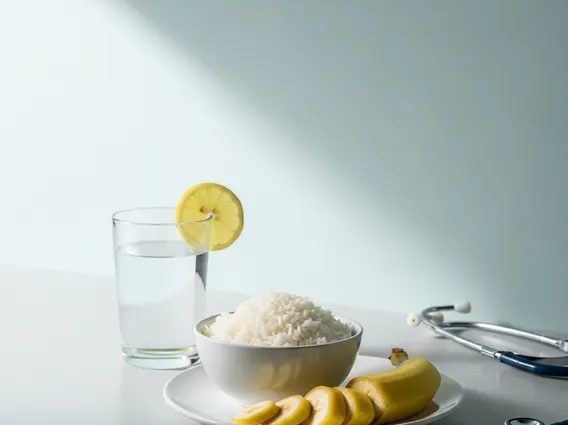
For individuals recovering from stomach flu or other causes of gastrointestinal distress, the “BRAT” diet (Bananas, Rice, Applesauce, Toast) has long been a go-to. While these foods are indeed bland and easy on the stomach, it’s important to expand your diet beyond just these items as soon as possible to ensure adequate nutrition. The best home care for stomach flu involves a progressive return to a balanced diet, listening carefully to your body’s signals.
Here’s a guide to foods during recovery:
| Foods to Eat (Gradually) | Foods to Avoid |
|---|---|
| Plain toast or crackers | Spicy foods |
| Bananas | Fatty or greasy foods |
| Plain rice | Dairy products (initially) |
| Applesauce | Caffeinated beverages |
| Clear broths | Alcohol |
| Boiled or baked potatoes | Acidic fruits (e.g., oranges, grapefruit) |
| Lean proteins (e.g., baked chicken breast) | Raw vegetables |
Begin with small portions and observe how your body reacts. If a food causes discomfort, wait a while longer before trying it again. Gradually introduce other bland foods like plain pasta, cooked carrots, or lean baked fish. Avoid dairy products initially, as lactose can be difficult to digest when the gut is irritated. Slowly reintroduce a wider variety of foods as your appetite returns and your stomach feels stronger.
When to Consult a Doctor
While most cases of nausea and vomiting can be effectively managed with home care, it’s vital to recognize when professional medical attention is necessary. Knowing these warning signs can prevent serious complications and ensure timely treatment. Managing nausea and vomiting at home is appropriate for mild, self-limiting episodes, but certain symptoms indicate a need for immediate medical evaluation.
Seek medical advice if you experience any of the following:
- Signs of severe dehydration, such as decreased urination, extreme thirst, dizziness, or lethargy.
- Vomiting for more than 24-48 hours in adults, or less than 12 hours in infants and young children.
- High fever (over 102°F or 39°C).
- Severe abdominal pain or cramping.
- Vomit that contains blood (red or black, coffee-ground like appearance).
- Inability to keep any fluids down.
- Persistent headaches or stiff neck.
- If you have a chronic medical condition (e.g., diabetes, kidney disease) or are pregnant.
For infants, young children, the elderly, or individuals with compromised immune systems, symptoms can escalate more quickly. Always err on the side of caution and consult a healthcare provider if you are concerned about the severity or duration of symptoms, as early intervention can be crucial for these vulnerable populations.
Frequently Asked Questions
How can I prevent dehydration when I’m vomiting?
To prevent dehydration, sip small amounts of clear fluids frequently, even if it’s just a teaspoon every few minutes. Good options include water, clear broths, and oral rehydration solutions. Avoid large gulps, as they can trigger more vomiting. Electrolyte-rich drinks can help replenish lost minerals. If you can’t keep any fluids down for several hours, or notice signs of severe dehydration like dizziness or reduced urination, seek medical attention.
What foods are best to eat after vomiting stops?
After vomiting stops, gradually introduce bland, easy-to-digest foods. Start with items like plain toast, crackers, bananas, applesauce, and plain rice. These foods are low in fiber and fat, making them gentle on a sensitive stomach. Avoid spicy, greasy, or highly acidic foods, as well as dairy products, until your digestive system has fully recovered. Listen to your body and slowly expand your diet as tolerated.
When should I be concerned about nausea and vomiting?
While most cases resolve at home, be concerned if vomiting lasts more than 24-48 hours in adults or less than 12 hours in children. Seek medical attention for signs of severe dehydration, high fever (over 102°F), severe abdominal pain, blood in vomit, or if you cannot keep any fluids down. Individuals who are very young, elderly, pregnant, or have chronic health conditions should consult a doctor sooner.
Disclaimer: The information provided in this article is for general informational purposes only and does not constitute medical advice. It is not a substitute for professional medical advice, diagnosis, or treatment. Always seek the advice of your physician or other qualified health provider with any questions you may have regarding a medical condition.