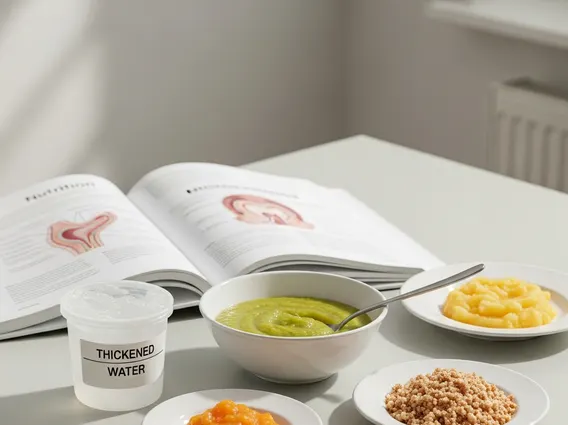
Home Care Tips for Mouth and Throat Problems
Experiencing discomfort in your mouth or throat can be a common and often irritating occurrence, ranging from minor sores to persistent irritation. While many issues resolve on their own, understanding effective home care strategies can significantly alleviate symptoms and promote faster healing. This article provides practical, evidence-based advice for managing common mouth and throat ailments from the comfort of your home.

Key Takeaways
- Maintain diligent oral hygiene, including gentle brushing and flossing, to prevent and manage mouth discomfort.
- Utilize simple, accessible natural mouth pain treatment at home such as saltwater rinses and honey for soothing relief.
- Address throat irritation with warm liquids, gargles, and humidifiers to provide effective home remedies for sore throat relief.
- Prioritize hydration and avoid irritants like smoking and acidic foods to support healing and prevent recurrence.
- Recognize when home care is insufficient and seek professional medical advice for persistent or severe symptoms.
Home Care Tips for Mouth Pain and Sores
Mouth pain and sores, such as canker sores, cold sores, or gum irritation, are common afflictions that can cause significant discomfort, impacting eating, speaking, and overall quality of life. While many factors can contribute to these issues, including stress, nutritional deficiencies, or minor injuries, effective home care can often provide much-needed relief and accelerate healing. Understanding how to care for mouth sores at home involves a combination of gentle hygiene and targeted remedies.
For individuals seeking the best home solutions for oral discomfort, focusing on reducing inflammation and protecting the affected area is paramount. Gentle oral hygiene is crucial; use a soft-bristled toothbrush and a mild toothpaste to avoid further irritation. Avoiding spicy, acidic, or very hot foods can also prevent exacerbating existing sores and allow them to heal more quickly. Approximately 1 in 5 adults experience recurrent aphthous stomatitis (canker sores), highlighting the widespread need for effective self-care strategies. (Source: American Academy of Oral Medicine).
Addressing Canker Sores and Oral Ulcers
Canker sores, also known as aphthous ulcers, are small, painful lesions that develop inside the mouth. For natural mouth pain treatment at home, a simple saltwater rinse can be highly effective. Mix a teaspoon of salt in a glass of warm water and swish it around your mouth for 30 seconds several times a day. This helps cleanse the area and reduce inflammation. Another popular remedy involves applying a small amount of baking soda paste (baking soda mixed with a little water) directly to the sore, which can help neutralize acids and promote healing. Over-the-counter oral gels containing benzocaine or hydrogen peroxide rinses can also offer temporary pain relief and antiseptic benefits, making them effective home remedies for mouth issues.
Soothing Gum Irritation and Minor Injuries
Gum irritation can stem from various causes, including aggressive brushing, food impaction, or minor cuts. To soothe irritated gums, a warm compress applied to the outside of the cheek can help reduce swelling and discomfort. Internally, a chamomile tea bag, after being steeped and cooled, can be placed directly on the affected gum area; chamomile possesses anti-inflammatory properties that can provide relief. Maintaining excellent oral hygiene, including gentle flossing, is vital to prevent plaque buildup, which is a common cause of gum inflammation. If irritation persists or worsens, it’s important to consult a dental professional to rule out more serious underlying conditions.
Here are some quick tips for managing mouth discomfort:
- Saltwater Rinses: Mix 1 teaspoon of salt in 8 ounces of warm water and rinse for 30 seconds, several times daily.
- Honey: Apply a small amount of raw honey directly to sores for its antiseptic and healing properties.
- Ice Chips: Gently suck on ice chips to numb the area and reduce swelling for temporary relief.
- Avoid Irritants: Steer clear of acidic, spicy, or crunchy foods that can aggravate sores.
- Hydration: Drink plenty of water to keep your mouth moist and aid in healing.
Effective Remedies for Throat Problems
Throat problems, such as a sore throat, scratchiness, or irritation, are frequently associated with common colds, flu, allergies, or environmental factors like dry air. These issues can range from a mild annoyance to significant pain, making swallowing difficult. Fortunately, many cases of throat discomfort can be effectively managed with simple and accessible home remedies for sore throat relief, focusing on soothing the inflamed tissues and reducing irritation. It’s estimated that adults experience 2-4 colds per year, with sore throat being a primary symptom in many of these instances (Source: CDC).
When considering tips for managing throat irritation, hydration is key. Drinking plenty of warm liquids such as herbal tea with honey, warm water with lemon, or clear broths can help keep the throat moist, thin mucus, and reduce the scratchy sensation. Honey, in particular, has been shown to be effective in soothing coughs and sore throats due to its natural antibacterial and anti-inflammatory properties. For self-care for common throat problems, avoiding irritants like cigarette smoke, pollution, and excessive shouting is also crucial, as these can exacerbate inflammation and delay recovery.
Gargling with various solutions can provide significant relief by cleansing the throat and reducing inflammation. Here’s a comparison of common gargle solutions:
| Gargle Solution | Primary Benefit | Preparation |
|---|---|---|
| Saltwater | Reduces swelling, kills bacteria | 1/2 tsp salt in 8 oz warm water |
| Baking Soda | Soothes, neutralizes acids | 1/4 tsp baking soda in 8 oz warm water |
| Apple Cider Vinegar | Antimicrobial, pH balancing | 1-2 tbsp ACV in 8 oz warm water (dilute well) |
| Herbal Tea (e.g., Chamomile) | Anti-inflammatory, soothing | Steep tea bag, let cool, then gargle |
Beyond gargles, using a humidifier in your bedroom can add moisture to the air, which helps to prevent your throat from drying out, especially during sleep. Throat lozenges or hard candies can stimulate saliva production, which naturally lubricates the throat and provides temporary relief from dryness and irritation. Resting your voice and getting adequate sleep are also fundamental components of recovery, allowing your body to focus its energy on healing.
Preventing Future Mouth and Throat Issues
While effective home remedies can alleviate current discomfort, a proactive approach to prevention is the most sustainable strategy for maintaining long-term oral and pharyngeal health. Many common mouth and throat problems can be minimized or avoided altogether by adopting consistent healthy habits and being mindful of environmental factors. This section focuses on preventative measures that contribute to a healthier mouth and throat, reducing the frequency and severity of future issues.
Central to prevention is maintaining excellent oral hygiene. Regular brushing twice a day with fluoride toothpaste and daily flossing helps remove plaque and food particles that can lead to gum disease, cavities, and subsequent mouth pain. Regular dental check-ups are also crucial, allowing dentists to identify and address potential problems before they escalate. Beyond direct oral care, a balanced diet rich in vitamins and minerals, particularly B vitamins and iron, can help prevent conditions like canker sores. Staying well-hydrated by drinking plenty of water throughout the day keeps mucous membranes moist, which is vital for both mouth and throat health.
Lifestyle choices significantly impact the health of your mouth and throat. Avoiding tobacco products, including smoking and smokeless tobacco, is paramount, as they are major irritants and risk factors for various oral and throat cancers, as well as gum disease. Limiting alcohol consumption can also reduce irritation. Managing stress through techniques like meditation or exercise can help prevent stress-induced conditions such as canker sores or teeth grinding. Furthermore, being aware of environmental allergens and taking steps to minimize exposure, such as using air purifiers or changing filters regularly, can prevent allergy-related throat irritation. By integrating these preventative measures into your daily routine, you can significantly reduce your susceptibility to common mouth and throat ailments.
Frequently Asked Questions
When should I seek professional medical advice for mouth or throat problems?
While many mouth and throat issues respond well to home care, it’s important to know when to consult a doctor or dentist. You should seek professional advice if symptoms persist for more than a week, worsen despite home remedies, or are accompanied by severe pain, difficulty swallowing or breathing, a high fever, swollen glands, or unexplained weight loss. Recurrent sores, white patches that don’t go away, or any unusual lumps also warrant immediate medical evaluation to rule out more serious conditions.
Are there any specific foods or drinks to avoid when I have mouth or throat pain?
Yes, certain foods and drinks can irritate sensitive mouth and throat tissues, exacerbating pain. It’s best to avoid highly acidic foods like citrus fruits and tomatoes, spicy foods, very hot beverages, and crunchy or sharp foods that could scratch or irritate sores. Alcohol and caffeinated drinks can also be dehydrating, which can worsen throat dryness. Opt for soft, bland foods and cool, non-acidic liquids to minimize irritation and promote healing.
How often should I use home remedies for mouth and throat issues?
The frequency of using home remedies depends on the specific remedy and the severity of your symptoms. For rinses like saltwater, using them 2-4 times a day is generally recommended until symptoms improve. For topical applications like honey or baking soda paste, applying them a few times a day as needed for pain relief is usually sufficient. Always follow product instructions for over-the-counter remedies. If symptoms don’t improve or worsen after a few days of consistent home care, it’s advisable to consult a healthcare professional.
Disclaimer: The information provided in this article is for general knowledge and informational purposes only, and does not constitute medical advice. It is essential to consult with a qualified healthcare professional for any health concerns or before making any decisions related to your health or treatment. Home remedies should be considered supportive care and do not replace professional medical diagnosis or treatment.