Home Care Tips for Lymphedema
Lymphedema is a chronic condition characterized by swelling, typically in an arm or leg, caused by a compromised lymphatic system. While there is no cure, effective home care tips for lymphedema are crucial for managing symptoms, preventing complications, and improving quality of life. This guide provides practical strategies for individuals seeking to understand how to care for lymphedema at home.
Key Takeaways
- Consistent skin care and hygiene are vital to prevent infections in affected limbs.
- Regular use of compression garments or bandages is fundamental for managing swelling.
- Gentle exercises and self-manual lymphatic drainage (S-MLD) can help stimulate lymph flow.
- Maintaining a healthy lifestyle, including diet and weight management, supports overall lymphatic health.
- Promptly consult a doctor for any signs of infection, worsening swelling, or new symptoms.
Essential Home Care Tips for Lymphedema
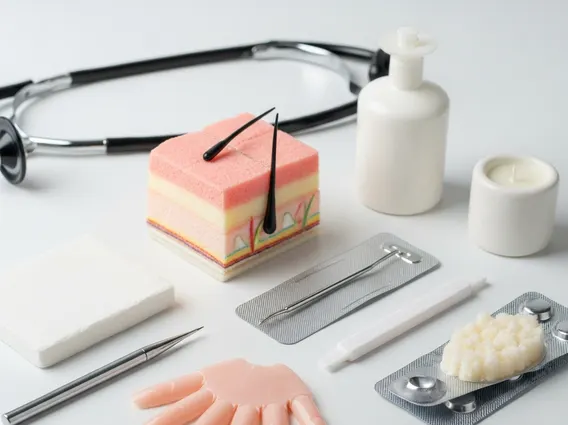
Effective lymphedema home care tips form the cornerstone of managing this chronic condition. Consistent daily practices are essential to control swelling, reduce discomfort, and prevent complications like infections. One of the most critical aspects is meticulous skin care, as compromised skin in lymphedematous areas is more susceptible to bacterial and fungal infections. Regularly inspect the affected limb for any cuts, scrapes, insect bites, or rashes, and clean them thoroughly to prevent pathogens from entering the body.
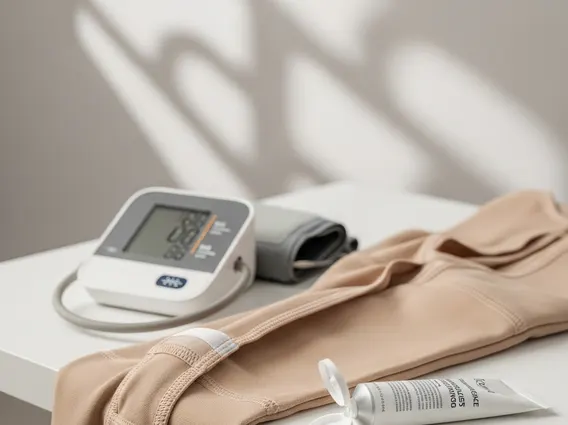
Compression therapy is another non-negotiable component of lymphedema treatment at home. This involves wearing specially fitted compression garments or applying bandages to the affected limb. These external pressures help to reduce swelling by encouraging lymphatic fluid to move out of the swollen area and preventing its re-accumulation. It’s vital to ensure that compression garments are properly fitted by a trained professional, as ill-fitting garments can exacerbate the condition or cause discomfort. Regular use, often throughout the day, is key to their effectiveness.
Beyond skin care and compression, incorporating gentle movement and elevation into your daily routine can significantly aid in lymph flow. Elevating the affected limb above the heart for periods throughout the day can help drain fluid, especially after periods of activity. Gentle exercises, as recommended by a therapist, also play a crucial role. These movements, often involving the muscles in the affected limb, act as a pump to encourage lymphatic fluid circulation without overexerting the system. Always consult with a healthcare professional or a certified lymphedema therapist (CLT) to develop a personalized exercise plan.
Daily Self-Management Strategies for Lymphedema
Successful managing lymphedema at home requires a proactive approach to daily routines and lifestyle choices. Beyond the foundational elements, incorporating specific strategies can empower individuals to take control of their condition. One such strategy is self-manual lymphatic drainage (S-MLD), a modified version of therapeutic massage techniques that can be performed at home after proper instruction from a certified lymphedema therapist. This gentle, rhythmic massage helps to stimulate the lymphatic system, redirecting fluid from congested areas to healthier lymph nodes where it can be processed.
Another crucial aspect of lymphedema self-management strategies involves careful monitoring and adaptation. Regularly measure the circumference of your affected limb and keep a log to track any changes in swelling. Pay attention to how different activities, foods, or environmental factors might impact your symptoms. Avoiding restrictive clothing, tight jewelry, or anything that could constrict lymph flow in the affected area is also important. These small, consistent efforts contribute significantly to maintaining comfort and preventing flare-ups.
Techniques for Self-Manual Lymphatic Drainage (S-MLD)
Self-Manual Lymphatic Drainage (S-MLD) is a gentle massage technique that can be learned from a certified lymphedema therapist (CLT) and performed at home. The goal is to encourage the movement of lymphatic fluid away from the swollen area. Typically, S-MLD involves light, rhythmic strokes and stretches on the skin, starting with clearing the unaffected areas (like the neck and trunk) to create a “pathway” for the fluid. Then, the focus shifts to the affected limb, gently moving fluid towards the cleared areas. It’s crucial to use very light pressure, as the lymphatic vessels are superficial. A CLT will provide specific instructions tailored to your individual condition and affected area.
Lifestyle and Activity Modifications
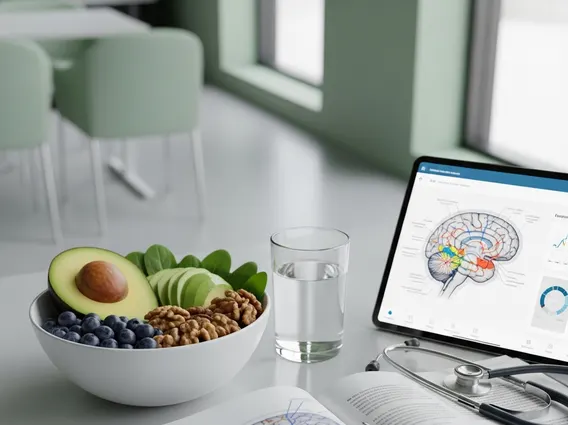
Adopting certain lifestyle and activity modifications can significantly support self-care for lymphedema. Maintaining a healthy weight is often recommended, as obesity can exacerbate lymphedema symptoms and put additional strain on the lymphatic system. A balanced diet rich in fruits, vegetables, and lean proteins, coupled with adequate hydration, supports overall health and can indirectly aid in managing inflammation. Regular, moderate physical activity, tailored to your capabilities and approved by your therapist, is also beneficial. Activities like walking, swimming, or cycling can promote lymphatic flow without causing undue stress on the affected limb. Always listen to your body and avoid activities that cause pain or increased swelling.
Home Remedies to Reduce Lymphedema Swelling
While professional medical treatment and prescribed therapies are paramount, several supportive home remedies for lymphedema swelling can complement your care plan and provide comfort. These remedies are generally aimed at reducing discomfort, promoting relaxation, and supporting the body’s natural processes, but they should never replace the core components of lymphedema management like compression therapy or MLD. Hydration, for instance, is a simple yet effective strategy. Drinking plenty of water helps maintain overall fluid balance in the body, which can indirectly support lymphatic function.
Incorporating anti-inflammatory foods into your diet can also be a beneficial supportive measure. Foods rich in omega-3 fatty acids (like fatty fish, flaxseeds), antioxidants (found in berries, leafy greens), and certain spices (turmeric, ginger) may help reduce systemic inflammation, which can sometimes contribute to lymphedema discomfort. However, dietary changes should be discussed with your healthcare provider or a registered dietitian, especially if you have other health conditions. Remember, these dietary approaches are complementary and do not directly treat the underlying lymphatic dysfunction.
Gentle, mindful movement, beyond structured exercises, can also be considered a home remedy. Simple stretches, deep breathing exercises, and even light household activities can help keep the lymphatic system active. Some individuals find comfort in warm (not hot) baths, sometimes with Epsom salts, to relax muscles and soothe skin, though direct heat on the affected limb should be approached with caution as it can sometimes increase swelling. Always prioritize safety and consult your lymphedema therapist about any new home remedies you wish to try, ensuring they align with your overall treatment plan.
When to Consult a Doctor for Lymphedema
While consistent lymphedema self-management strategies are vital, knowing when to seek professional medical attention is equally important. Lymphedema can lead to serious complications if not properly monitored and managed. Any sudden increase in swelling that doesn’t respond to your usual home care routine, or swelling that is accompanied by pain, redness, or warmth in the affected limb, warrants immediate medical consultation. These symptoms could indicate an infection, such as cellulitis, which requires prompt antibiotic treatment to prevent it from spreading and causing further damage to the lymphatic system.
Other warning signs that necessitate a doctor’s visit include fever, chills, or flu-like symptoms, which are common indicators of a systemic infection. Changes in skin texture, such as hardening, thickening, or the development of new lesions or wounds, should also be evaluated by a healthcare professional. Persistent discomfort, changes in limb shape, or any new symptoms that concern you should always be discussed with your lymphedema therapist or doctor. Regular follow-up appointments are crucial to assess the effectiveness of your home care plan and make any necessary adjustments to your lymphedema treatment at home.
It’s also important to consult your doctor if your current compression garments no longer fit properly or if you experience persistent discomfort despite adhering to your self-care regimen. Your medical team can assess if a change in compression type, strength, or other therapeutic interventions is needed. Early detection and intervention for complications are key to preventing the progression of lymphedema and maintaining your overall health and well-being. Never hesitate to reach out to your healthcare provider with any questions or concerns regarding your condition.
Frequently Asked Questions
Can lymphedema be cured with home care?
Lymphedema is a chronic condition with no known cure, meaning home care cannot eliminate it entirely. However, consistent and diligent home care, including compression therapy, skin care, and gentle exercise, is highly effective in managing symptoms, reducing swelling, preventing complications like infections, and improving the individual’s quality of life. It is a lifelong commitment to self-management that significantly impacts the condition’s progression and severity.
How often should I perform self-MLD?
The frequency of self-manual lymphatic drainage (S-MLD) varies depending on the individual’s condition and the recommendations of their certified lymphedema therapist (CLT). Initially, a CLT might suggest daily S-MLD sessions, especially during the intensive phase of treatment. As symptoms stabilize, the frequency might be reduced to several times a week or as needed. It’s crucial to follow your therapist’s personalized guidance, as improper technique or frequency can be less effective or even detrimental.
What role does diet play in managing lymphedema?
Diet plays a supportive, rather than primary, role in managing lymphedema. While no specific diet can cure lymphedema, a balanced, nutritious diet can help maintain a healthy weight, which is beneficial as obesity can exacerbate symptoms. Emphasizing anti-inflammatory foods and ensuring adequate hydration can support overall health and potentially reduce discomfort. However, dietary changes should always complement, not replace, core lymphedema treatments like compression and manual lymphatic drainage, and should be discussed with a healthcare professional.
Disclaimer: The information provided in this article is for educational purposes only and is not intended to be a substitute for professional medical advice, diagnosis, or treatment. Always seek the advice of your physician or other qualified health provider with any questions you may have regarding a medical condition. Never disregard professional medical advice or delay in seeking it because of something you have read in this article.