Home Care Tips for Infection and Neutropenia
Living with neutropenia, a condition characterized by a low count of neutrophils (a type of white blood cell), significantly increases the risk of serious infections. This comprehensive guide provides essential home care tips for infection and neutropenia, empowering individuals and their caregivers to create a safer environment and minimize health risks. Understanding and implementing these strategies is crucial for maintaining well-being.
Key Takeaways
- Maintain rigorous personal hygiene, including frequent handwashing and proper skin care, to reduce germ exposure.
- Practice strict food safety and avoid raw or undercooked items to prevent foodborne illnesses.
- Monitor for early signs of infection, such as fever, chills, or unusual pain, and report them immediately to your healthcare provider.
- Keep your living environment clean and minimize contact with potential sources of germs, like crowded places or sick individuals.
- Adhere to all medical advice and medication schedules provided by your healthcare team for effective managing neutropenia at home tips.
Essential Home Care Tips for Infection and Neutropenia
Neutropenia profoundly impacts the body’s immune defenses, making even common bacteria and viruses potential threats. Effective home care tips for neutropenia are not merely suggestions but vital practices for safeguarding health. The goal is to reduce exposure to pathogens and strengthen the body’s ability to cope with potential infections, which is paramount for individuals with compromised immune systems.
A proactive approach to hygiene and environmental control forms the cornerstone of infection prevention for neutropenic patients. This involves a multi-faceted strategy that addresses personal habits, household cleanliness, and awareness of potential risks outside the home. For instance, the Centers for Disease Control and Prevention (CDC) emphasizes hand hygiene as a primary defense against infection transmission, a principle that becomes even more critical for neutropenic individuals.
Daily Strategies for Preventing Infection at Home
Implementing daily strategies is fundamental for preventing infection with neutropenia at home. These practices aim to create a protective barrier against microorganisms that could lead to serious health complications. Consistency in these routines is key, as even minor lapses can increase vulnerability. This section serves as a practical neutropenia home care guide, detailing actionable steps for everyday life.
Beyond personal hygiene, attention to the immediate environment is crucial. Regular cleaning and disinfection of high-touch surfaces in the home can significantly reduce the bacterial and viral load. This includes doorknobs, light switches, countertops, and bathroom fixtures. Furthermore, avoiding contact with sick individuals and crowded public spaces, especially during peak illness seasons, is a critical component of infection control for neutropenic patients.
Personal Hygiene Practices
Meticulous personal hygiene is one of the most effective ways to prevent infections. Frequent and thorough handwashing with soap and water for at least 20 seconds is essential, especially before eating, after using the restroom, and after touching pets or public surfaces. If soap and water are not available, an alcohol-based hand sanitizer with at least 60% alcohol can be used. Daily showering or bathing helps remove bacteria from the skin, and using a soft toothbrush and gentle toothpaste can protect oral health, as mouth sores can be entry points for infection.
Skin integrity is also vital. Keep skin moisturized to prevent cracks, which can serve as entry points for bacteria. Avoid cutting cuticles or picking at skin. Any cuts or scrapes should be cleaned immediately with soap and water and covered with a clean bandage. For women, proper perineal hygiene is important to prevent urinary tract infections. It is also advisable to avoid sharing personal items like towels, razors, or toothbrushes.
Food Safety and Preparation
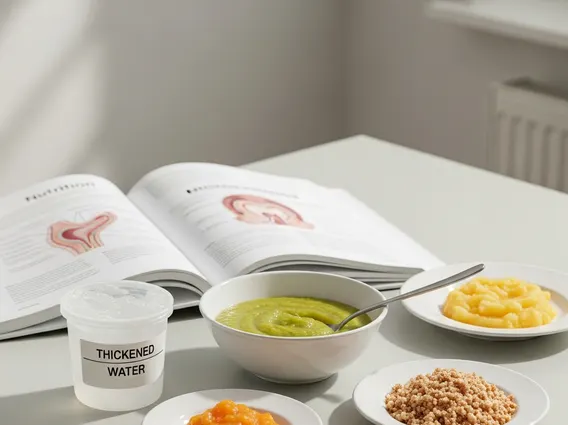
Food safety is paramount for individuals with neutropenia, as foodborne illnesses can be severe. Always wash hands thoroughly before and after handling food. All fruits and vegetables should be washed under running water, and it’s often recommended to peel fresh produce when possible. Avoid raw or undercooked meats, poultry, fish, and eggs. All foods should be cooked to their appropriate internal temperatures to kill harmful bacteria.
Specific foods to avoid include unpasteurized dairy products, raw sprouts, deli meats (unless reheated to steaming hot), and soft cheeses made from unpasteurized milk. Leftovers should be refrigerated promptly and consumed within a day or two, reheated thoroughly. Cross-contamination should be prevented by using separate cutting boards and utensils for raw meats and produce. Following these guidelines is a key part of what to do for neutropenia at home to minimize dietary risks.
Recognizing and Responding to Infection Symptoms
Early detection and prompt response to infection symptoms are critical for individuals with neutropenia. Due to a weakened immune system, infections can escalate rapidly and become life-threatening. Therefore, knowing what to do for neutropenia at home when symptoms arise involves immediate communication with your healthcare provider. Do not wait for symptoms to worsen; time is of the essence.
A fever, defined as a temperature of 100.4°F (38°C) or higher, or a sustained temperature of 100°F (37.8°C) for more than an hour, is often the first and sometimes only sign of infection in neutropenic patients. It is crucial to have a reliable thermometer and check your temperature regularly, especially if you feel unwell. Other symptoms can be subtle and non-specific, making vigilance essential.
Beyond fever, other signs of infection can include chills or sweating, new or worsening pain (especially in the abdomen, chest, or throat), skin changes such as redness, swelling, or warmth, and any new sores or rashes. Urinary symptoms like burning or frequent urination, or changes in bowel habits, can also indicate an infection. Any unusual discharge or changes in existing wounds should also be reported immediately. Keeping a log of symptoms can be helpful for your medical team.
Managing Neutropenia at Home: Lifestyle Advice
Effective managing neutropenia at home tips extend beyond hygiene and symptom monitoring to encompass broader lifestyle choices that support overall health and reduce infection risk. This includes maintaining a balanced diet, ensuring adequate rest, and engaging in appropriate physical activity. These elements contribute to a stronger body, better equipped to manage the challenges of neutropenia.
Regular communication with your healthcare team is a cornerstone of neutropenia patient home care advice. This includes attending all scheduled appointments, adhering strictly to medication regimens, and reporting any concerns or changes in your condition promptly. Your medical team can provide personalized guidance, adjust treatments as needed, and offer support resources. Never hesitate to ask questions or seek clarification on any aspect of your care.
Furthermore, avoiding activities that could lead to injury or exposure to germs is important. This might mean temporarily refraining from gardening (due to soil bacteria), cleaning pet litter boxes, or swimming in public pools. It’s also wise to avoid dental procedures or elective surgeries unless absolutely necessary and approved by your oncologist, as these can introduce bacteria into the bloodstream. Stress management techniques, such as meditation or light exercise, can also play a role in supporting immune function, though they do not replace medical treatment.
Frequently Asked Questions
What activities should I avoid with neutropenia?
To minimize infection risk, individuals with neutropenia should avoid crowded places, close contact with sick individuals, and activities that could cause cuts or scrapes, such as gardening without gloves. It’s also advisable to stay away from stagnant water, like hot tubs or public swimming pools, and avoid cleaning pet waste. Discuss specific activity restrictions with your healthcare provider, as recommendations can vary based on your neutrophil count and overall health status.
How often should I wash my hands when I have neutropenia?
Frequent and thorough handwashing is crucial. You should wash your hands with soap and water for at least 20 seconds before eating, after using the restroom, after touching pets, after coughing or sneezing, and any time you return home from outside. If soap and water are unavailable, use an alcohol-based hand sanitizer with at least 60% alcohol. This practice significantly reduces the transmission of germs.
Can I have visitors if I have neutropenia?
Having visitors is generally acceptable, but precautions are necessary. Ask visitors who are sick, have a fever, or have recently been exposed to contagious illnesses to postpone their visit. All visitors should practice good hand hygiene upon entering your home. Avoid close physical contact like hugging or kissing, and ensure your home environment is clean and well-ventilated. Your healthcare team can provide specific guidelines tailored to your situation.