Home Care Tips for Fever
Fever is a common physiological response, often indicating that the body is fighting off an infection or illness. While it can be uncomfortable, understanding effective home care tips for fever can significantly aid recovery and manage symptoms. This guide provides practical advice on how to support your body’s healing process, utilizing natural remedies, and recognizing when professional medical attention is necessary.

Key Takeaways
- Prioritize hydration and adequate rest to support the body’s natural healing mechanisms during a fever.
- Implement comfort measures such as appropriate clothing, lukewarm baths, and monitoring temperature regularly.
- Explore supportive natural remedies like herbal teas and cool compresses, understanding they complement, not replace, medical advice.
- Know the specific warning signs, especially for infants, children, and individuals with underlying conditions, that necessitate immediate medical consultation.
- Maintain a light, easily digestible diet and avoid strenuous activities to conserve energy for recovery.
Essential Home Care Tips for Fever
When a fever strikes, the primary goal of home care tips for fever adults is to alleviate discomfort and support the body’s natural defense mechanisms. A fever, typically defined as a body temperature of 100.4°F (38°C) or higher, is often a sign that your immune system is actively combating an infection. While it can be alarming, most fevers are self-limiting and can be effectively managed at home with simple, consistent care.
The cornerstone of what to do for a fever at home revolves around ensuring adequate hydration and rest. Dehydration can exacerbate fever symptoms and hinder recovery, making it crucial to consume plenty of fluids. Water, clear broths, electrolyte solutions, and diluted fruit juices are excellent choices. Simultaneously, rest allows your body to conserve energy, which is vital for fighting off the underlying illness. Avoid strenuous activities and ensure you get sufficient sleep to facilitate healing.
Effective managing fever symptoms home care also involves creating a comfortable environment and monitoring your condition. Dress in light clothing and use a light blanket, even if you feel chilly, to allow body heat to dissipate. Keep the room temperature comfortable, neither too hot nor too cold. Regular temperature monitoring, especially before and after administering any fever-reducing medication, helps track the fever’s progression and response to care. Over-the-counter medications like acetaminophen or ibuprofen can help reduce fever and relieve associated aches, but always follow dosage instructions carefully.
Maintaining Hydration and Rest
Staying well-hydrated is paramount when dealing with a fever. Fever can lead to increased fluid loss through sweating, making it easy to become dehydrated. Aim to drink small, frequent sips of fluids throughout the day, even if you don’t feel thirsty. Water is always a good choice, but clear broths, herbal teas, and rehydration solutions can also replenish lost electrolytes. Alongside hydration, prioritizing rest is non-negotiable. Your body expends significant energy fighting off infection, and adequate sleep allows your immune system to function optimally. Avoid work, school, or other demanding activities to give your body the time it needs to recover fully.
Monitoring and Comfort Measures
Regularly monitoring your temperature is a key aspect of fever management. Use a reliable thermometer to check your temperature several times a day, noting any significant changes. This helps you understand the fever’s pattern and assess the effectiveness of your home care strategies. For comfort, consider a lukewarm sponge bath or placing cool, damp cloths on your forehead and wrists. These methods can provide temporary relief from the heat and discomfort without causing shivering, which can actually raise body temperature. Remember, the goal is comfort and support, not necessarily to bring the temperature down to normal immediately, as fever is part of the healing process.
Natural Remedies for Fever Relief
Many individuals seek how to treat fever at home naturally, often turning to traditional methods that support the body’s healing process. These natural approaches are generally aimed at providing comfort and aiding the immune system, rather than acting as direct fever reducers. It’s crucial to remember that while these remedies can be supportive, they should not replace conventional medical advice or prescribed treatments, especially for high or persistent fevers.
Among the best home remedies for fever, several stand out for their soothing properties. Herbal teas, such as ginger, peppermint, or chamomile, are often recommended. Ginger tea, for instance, is known for its diaphoretic properties, which can induce sweating and help cool the body. Peppermint tea can provide a cooling sensation and help with congestion, while chamomile tea is valued for its calming effects, promoting rest. Consuming these warm beverages can also contribute to hydration, which is vital during a fever. Applying cool compresses to the forehead, wrists, or armpits can also offer temporary relief from the heat and discomfort.
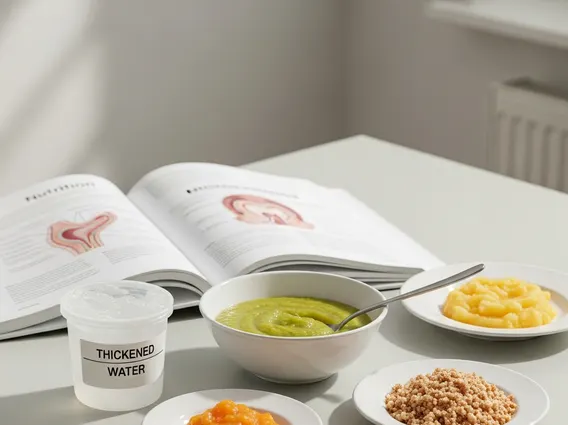
When considering natural ways to reduce fever quickly, it’s important to manage expectations; natural remedies primarily support the body rather than rapidly lowering temperature. Light, easily digestible foods can also play a role. Opt for broths, soups, and soft fruits, which provide essential nutrients without taxing the digestive system. Avoiding heavy, greasy, or sugary foods can prevent further discomfort. Additionally, ensuring good air circulation in your room and wearing breathable cotton clothing can help regulate body temperature naturally. While these methods may not offer immediate drastic reductions, they contribute significantly to overall comfort and recovery.
When to Seek Medical Attention
While most fevers can be managed effectively with home care tips for fever, it is crucial to recognize the signs that indicate a need for professional medical evaluation. Knowing when to seek medical help for fever can prevent potential complications, especially in vulnerable populations like infants, young children, and individuals with compromised immune systems or chronic health conditions. According to the World Health Organization (WHO), fever is one of the most common reasons for seeking medical care, highlighting the importance of informed decision-making.
For infants under three months, any fever (rectal temperature of 100.4°F or 38°C or higher) warrants immediate medical attention, as their immune systems are still developing. For children between three months and three years, a fever over 102.2°F (39°C) or a fever accompanied by other severe symptoms like extreme irritability, lethargy, or a rash should prompt a doctor’s visit. In adults, while a fever up to 103°F (39.4°C) can often be managed at home, a persistent fever lasting more than three days, or a fever accompanied by severe symptoms, requires medical consultation.
Certain symptoms, regardless of age, are red flags that necessitate prompt medical care. These signs suggest a more serious underlying condition that home remedies cannot address. It is vital to seek immediate medical help if you or someone you are caring for experiences any of the following:
- Severe headache, stiff neck, or sensitivity to bright light.
- Difficulty breathing or chest pain.
- Persistent vomiting or diarrhea.
- Abdominal pain.
- A rash or unusual bruising.
- Seizures or convulsions.
- Signs of dehydration, such as decreased urination, dry mouth, or dizziness.
- Any fever in an individual who is immunocompromised (e.g., undergoing chemotherapy, HIV positive, or on immunosuppressant drugs).
- Fever accompanied by confusion, extreme lethargy, or difficulty waking up.
Always trust your instincts; if you are concerned about the severity of a fever or accompanying symptoms, it is always best to consult a healthcare professional. Early diagnosis and treatment can significantly improve outcomes for more serious conditions.
Frequently Asked Questions
How high is too high for a fever in adults?
For most healthy adults, a fever up to 103°F (39.4°C) can often be managed at home with rest and fluids. However, if the fever reaches 104°F (40°C) or higher, it is generally considered a high fever and warrants medical attention. Additionally, any fever accompanied by severe symptoms like confusion, difficulty breathing, stiff neck, or persistent vomiting, regardless of the exact temperature, should prompt a visit to a doctor. Always monitor your symptoms and seek professional advice if you are concerned.
Can fever be prevented?
While fever itself is a symptom and not a disease, preventing the underlying infections that cause fever is possible. Practicing good hand hygiene, such as frequent hand washing with soap and water, is crucial. Staying up-to-date on vaccinations, including the flu shot, can significantly reduce your risk of common infections. Avoiding close contact with sick individuals and maintaining a healthy lifestyle with adequate sleep, nutrition, and exercise can also bolster your immune system and help prevent illnesses that lead to fever.
What foods should I eat or avoid with a fever?
When you have a fever, focus on easily digestible, nutrient-rich foods to support your body’s recovery. Clear broths, soups, and light, soft foods like mashed potatoes, applesauce, or toast are good choices. Fruits rich in vitamin C, such as oranges or berries, can also be beneficial. It’s best to avoid heavy, greasy, spicy, or sugary foods, as these can be harder to digest and may cause further discomfort. Prioritize hydration with water, herbal teas, and electrolyte solutions to replenish fluids lost through sweating.
Disclaimer: The information provided in this article is for general informational purposes only and does not constitute medical advice. It is not intended to be a substitute for professional medical advice, diagnosis, or treatment. Always seek the advice of your physician or other qualified health provider with any questions you may have regarding a medical condition. Never disregard professional medical advice or delay in seeking it because of something you have read in this article.