Home Care Tips for Diarrhea
Diarrhea is a common digestive issue characterized by loose, watery stools, often accompanied by abdominal cramps, bloating, and nausea. While it can be uncomfortable and disruptive, many cases of diarrhea can be effectively managed with appropriate home care strategies. This guide provides practical advice on how to alleviate symptoms and promote recovery from diarrhea in the comfort of your home.
Key Takeaways
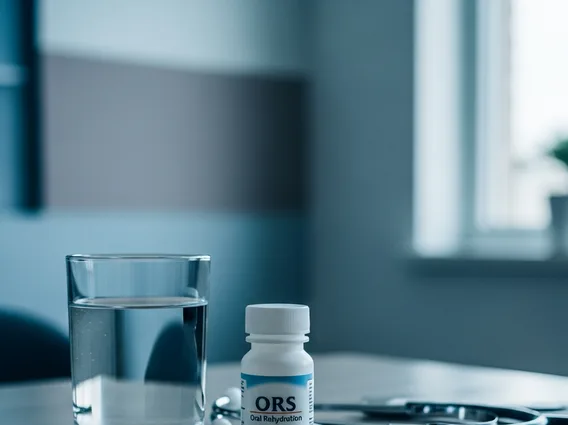
- Prioritize hydration with Oral Rehydration Solutions (ORS) to prevent dehydration, a major risk with diarrhea.
- Follow a bland, easily digestible diet, such as the BRAT diet, and avoid foods that can irritate the digestive system.
- Consider natural remedies like ginger or probiotics as supportive measures, but always consult a healthcare professional for severe or persistent symptoms.
- Maintain strict hygiene to prevent the spread of infection, especially when caring for others.
- Be vigilant for warning signs like high fever, severe pain, or blood in stool, which necessitate immediate medical attention.
Managing Diarrhea at Home: Key Strategies
Effectively managing diarrhea at home tips involves a combination of rest, careful monitoring, and preventive measures to avoid complications and prevent its spread. The primary goal is to allow your digestive system to recover while maintaining overall well-being. Rest is paramount, as your body needs energy to fight off any underlying infection or recover from digestive upset. Avoid strenuous activities that could further deplete your energy or worsen dehydration.
Hygiene plays a critical role in preventing the spread of diarrheal illnesses, especially in households with multiple members. Many cases of diarrhea are caused by viral or bacterial infections that can easily transmit from person to person. According to the World Health Organization (WHO), diarrheal diseases are a leading cause of mortality and morbidity globally, with poor hygiene contributing significantly to their spread. Regular and thorough handwashing with soap and water, particularly after using the restroom and before preparing food, is essential. Disinfecting contaminated surfaces, such as toilets and doorknobs, can also help contain the spread of germs.
Beyond personal hygiene, it’s important to monitor your symptoms closely. Pay attention to the frequency and consistency of your stools, as well as any accompanying symptoms like fever, abdominal pain, or nausea. This information will be crucial if you need to consult a healthcare provider. Knowing what to do for diarrhea at home also includes avoiding certain irritants that can exacerbate symptoms. This means temporarily steering clear of alcohol, caffeine, and highly processed foods, which can further disrupt the digestive tract.
Hydration and Diet for Diarrhea Recovery
Maintaining proper hydration and adhering to a specific diet are fundamental components of diarrhea relief home care. Diarrhea causes significant fluid and electrolyte loss, which can quickly lead to dehydration, a potentially serious condition. Therefore, replenishing lost fluids and electrolytes is the most critical step in managing diarrhea at home. The right approach to rehydration and nutrition can significantly speed up recovery and reduce discomfort.
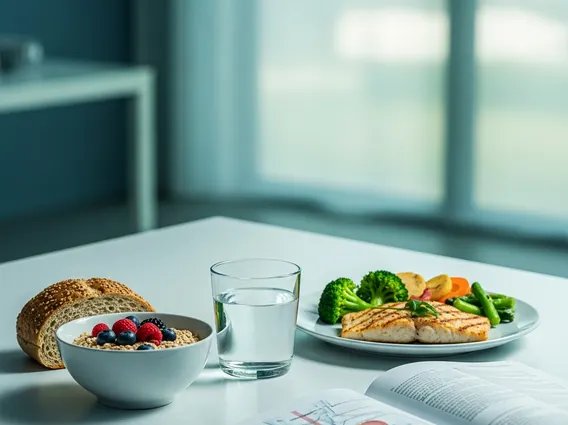
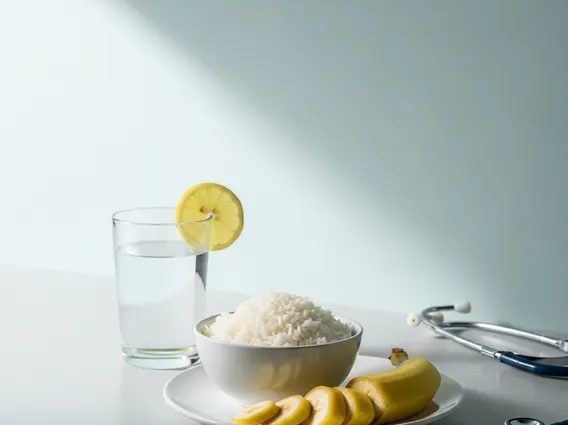
When considering the diet for diarrhea recovery, the focus should be on bland, easily digestible foods that won’t further irritate the gut. The traditional BRAT diet (Bananas, Rice, Applesauce, Toast) is often recommended because these foods are low in fiber, easy to digest, and can help bind stools. However, it’s important to expand beyond just these four items to ensure adequate nutrient intake as you recover. Gradually reintroducing other foods is key to a smooth recovery process.
Rehydration Strategies
Oral Rehydration Solutions (ORS) are highly effective for preventing and treating dehydration caused by diarrhea. ORS contain a balanced mix of water, salts, and sugar, which helps the intestines absorb fluids more efficiently. These solutions are readily available over-the-counter and are recommended by health organizations worldwide. If commercial ORS are unavailable, you can make a homemade solution using specific guidelines, though pre-packaged options are generally preferred for their precise balance. Beyond ORS, clear broths, diluted fruit juices (without pulp), and plain water are also good choices. Avoid sugary drinks, as they can worsen diarrhea by drawing more water into the intestines.
Recommended Foods for Recovery
As your symptoms improve, you can gradually introduce a wider range of bland foods. These include:
- Lean Proteins: Baked chicken or turkey (skinless), eggs.
- Cooked Vegetables: Boiled potatoes, carrots, green beans (well-cooked and peeled).
- Grains: Plain white rice, oatmeal, cream of wheat, plain crackers.
- Fruits: Ripe bananas, applesauce, canned peaches (in light syrup).
- Yogurt: Plain yogurt with live and active cultures can help replenish beneficial gut bacteria, but introduce cautiously.
Start with small, frequent meals rather than large ones to avoid overwhelming your digestive system. Listen to your body and introduce new foods slowly.
Foods to Avoid
To prevent exacerbating diarrhea symptoms, certain foods and beverages should be avoided until full recovery. These include:
| Category | Examples to Avoid | Reason for Avoidance |
|---|---|---|
| High-Fat Foods | Fried foods, greasy meats, rich sauces | Difficult to digest, can stimulate bowel movements |
| Spicy Foods | Chili, hot peppers, strong spices | Can irritate the digestive lining |
| High-Fiber Foods | Raw vegetables, whole grains, nuts, seeds (initially) | Can increase bowel motility |
| Dairy Products | Milk, cheese, ice cream (for some individuals) | Lactose intolerance can be temporary after diarrhea |
| Caffeine & Alcohol | Coffee, tea, soda, alcoholic beverages | Diuretics, can lead to further dehydration |
| Artificial Sweeteners | Sorbitol, mannitol | Can have a laxative effect |
Gradually reintroduce these foods only after your digestive system has returned to normal and you are symptom-free for at least 24-48 hours.
Effective Natural Remedies for Relief
Alongside hydration and dietary adjustments, several home remedies for diarrhea can offer supportive relief from symptoms. While these natural cures for diarrhea are generally considered safe for mild cases, it’s important to remember they are complementary and should not replace medical advice, especially for severe or persistent conditions. The goal of these remedies is often to soothe the digestive tract, reduce inflammation, or help restore gut balance.
One popular natural option is ginger, known for its anti-inflammatory and anti-spasmodic properties. Ginger can help calm an upset stomach and reduce nausea, common companions of diarrhea. It can be consumed as ginger tea, made by steeping fresh ginger slices in hot water, or in capsule form. Similarly, chamomile tea is often recommended for its calming effects on the digestive system, potentially reducing intestinal spasms and discomfort. Peppermint, another herb, can also help alleviate abdominal cramps and bloating, though it should be used cautiously by individuals with acid reflux.
Probiotics are live microorganisms that, when administered in adequate amounts, confer a health benefit on the host. They are increasingly recognized for their role in gut health and can be a valuable part of the best home treatment for diarrhea. Probiotics, found in fermented foods like yogurt with live cultures or in supplement form, can help restore the balance of beneficial bacteria in the gut, which can be disrupted during a diarrheal episode. This restoration may shorten the duration of diarrhea and improve digestive function. However, always choose reputable brands and consult with a healthcare provider, especially if you have an underlying health condition or are immunocompromised, to ensure the appropriate strain and dosage.
Recognizing When to Seek Medical Care
While many cases of diarrhea can be effectively managed with home care, it is crucial to recognize when symptoms warrant professional medical attention. Delaying medical care for severe or persistent diarrhea can lead to serious complications, particularly dehydration. Home care strategies are primarily for mild, uncomplicated episodes in otherwise healthy individuals. Knowing the warning signs is key to ensuring your safety and timely intervention.
Certain symptoms indicate that diarrhea is more than a minor inconvenience and requires immediate evaluation by a doctor. These include a high fever (above 102°F or 39°C), severe abdominal pain that doesn’t subside, or the presence of blood or pus in the stool. Black, tarry stools can also be a sign of internal bleeding and should prompt urgent medical consultation. Persistent vomiting that prevents you from keeping fluids down is another critical sign, as it significantly increases the risk of severe dehydration.
Furthermore, specific populations are at higher risk for complications from diarrhea and should seek medical care sooner. Infants and young children are particularly vulnerable to rapid dehydration, as are the elderly and individuals with weakened immune systems (e.g., those with HIV/AIDS, cancer patients undergoing chemotherapy, or organ transplant recipients). If diarrhea lasts for more than two days in adults, or more than 24 hours in infants and young children, it’s advisable to consult a healthcare provider. Signs of dehydration, such as decreased urination, dry mouth, excessive thirst, dizziness, or lethargy, are also red flags that require prompt medical assessment.
Frequently Asked Questions
How long does diarrhea typically last with home care?
Most cases of acute diarrhea, often caused by viral infections, typically resolve within one to two days with proper home care, including hydration and a bland diet. If symptoms persist beyond 48 hours in adults, or 24 hours in children, or if they worsen, it’s advisable to consult a healthcare professional. Persistent diarrhea might indicate a more serious underlying condition or a bacterial infection requiring specific medical treatment.
Can I take over-the-counter medication for diarrhea?
Over-the-counter medications like loperamide (Imodium) or bismuth subsalicylate (Pepto-Bismol) can help reduce the frequency and urgency of stools. However, they are generally not recommended for children without medical advice, or if you have a fever or bloody stools, as they can sometimes worsen certain infections. Always read the label carefully and consult your doctor or pharmacist to determine if these medications are appropriate for your specific situation.
What are the signs of dehydration in adults and children?
In adults, signs of dehydration include excessive thirst, dry mouth, infrequent urination, dark-colored urine, fatigue, dizziness, and lightheadedness. For children, look for reduced urination (fewer wet diapers), lack of tears when crying, dry mouth and tongue, sunken eyes, lethargy, irritability, and a sunken soft spot (fontanelle) on an infant’s head. Any of these signs warrant immediate medical attention, especially in young children.
Disclaimer: The information provided in this article is for general knowledge and informational purposes only, and does not constitute medical advice. It is essential to consult with a qualified healthcare professional for any health concerns or before making any decisions related to your health or treatment. Home remedies and alternative therapies should be considered supportive measures and do not replace professional medical diagnosis or treatment.