
Home Care Tips for Bleeding and Bruising
Minor bleeding and bruising are common occurrences in daily life, often resulting from small accidents or impacts. Understanding proper Home Care Tips for Bleeding and Bruising is crucial for effective healing and preventing complications.
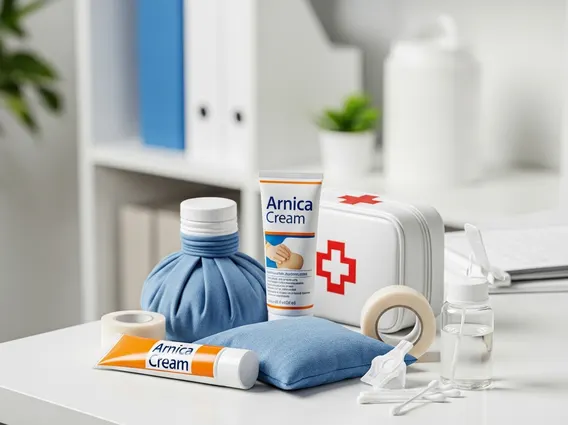
Key Takeaways
- Immediately apply direct pressure to minor cuts to stop bleeding minor cuts home and elevate the injured area.
- For bruises, utilize the R.I.C.E. method (Rest, Ice, Compression, Elevation) to reduce swelling and pain effectively.
- Explore natural remedies for bruising like arnica or witch hazel, but always consult a healthcare professional for severe cases.
- Maintain a balanced diet rich in vitamins C and K to support the body’s natural healing processes.
- Seek medical attention if bleeding is heavy, persistent, or if bruises are unusually large, painful, or appear without explanation.
Immediate First Aid for Minor Bleeds
Addressing minor bleeds promptly is essential to prevent infection and facilitate healing. Knowing basic first aid for minor bleeding can make a significant difference in managing everyday injuries.
Cleaning and Protecting the Wound
The first step in caring for any minor cut or scrape is thorough cleaning. Gently wash the wound with mild soap and cool water to remove dirt and debris. Avoid harsh cleansers, alcohol, or hydrogen peroxide, as these can damage delicate tissue and delay healing. After cleaning, pat the area dry with a clean cloth. Apply a thin layer of antibiotic ointment to help prevent infection and keep the wound moist, which can aid in healing. Finally, cover the wound with a sterile bandage to protect it from further contamination and injury. Change the bandage daily, or whenever it becomes wet or dirty, to maintain a clean healing environment.
Applying Pressure to Stop Bleeding
For most minor cuts and scrapes, direct pressure is the most effective way to stop bleeding minor cuts home. Apply firm, continuous pressure to the wound using a clean cloth, gauze, or even your fingers. Elevate the injured body part above the heart if possible, as this can help reduce blood flow to the area. Maintain pressure for 5 to 10 minutes without peeking to see if the bleeding has stopped. Removing pressure too soon can disrupt clot formation. If blood soaks through the dressing, do not remove it; instead, add more layers of cloth or gauze and continue applying pressure. Most minor bleeds should stop within this timeframe. According to the American Academy of Orthopaedic Surgeons, direct pressure is a fundamental technique for controlling external bleeding effectively.
Effective Home Care Tips for Bruises
Bruises, or contusions, occur when small blood vessels under the skin break due to impact, causing blood to leak into surrounding tissues. Learning how to treat bruises at home can significantly reduce discomfort and speed up recovery.
R.I.C.E. Method for Bruise Treatment
The R.I.C.E. method is a widely recommended approach for acute injuries, including bruises, to minimize swelling and pain. This method is a cornerstone of bruise healing tips home and involves four key steps:
- Rest: Limit activity that involves the bruised area to prevent further injury or strain.
- Ice: Apply a cold compress or ice pack wrapped in a cloth to the bruise for 15-20 minutes at a time, several times a day, especially in the first 24-48 hours. Cold helps constrict blood vessels, reducing internal bleeding and swelling.
- Compression: Gently wrap the bruised area with an elastic bandage, ensuring it’s snug but not too tight to restrict circulation. Compression helps prevent fluid buildup.
- Elevation: Raise the bruised limb above the level of your heart whenever possible. This helps gravity drain fluid away from the injury, reducing swelling.
Pain Management and Swelling Reduction
Beyond the R.I.C.E. method, several strategies can aid in pain management and further reduce swelling. Over-the-counter pain relievers such as acetaminophen (Tylenol) or ibuprofen (Advil, Motrin) can help alleviate discomfort. Always follow dosage instructions carefully. After the initial 48 hours, applying a warm compress to the bruise can help increase blood flow to the area, promoting the reabsorption of pooled blood and accelerating the healing process. Gentle massage around, but not directly on, the bruise can also encourage circulation. These practices are integral to caring for bruises and cuts at home, ensuring comfort and promoting faster recovery.
Natural Remedies for Bruising and Minor Bleeds
Many individuals seek home remedies for bleeding and bruising to complement conventional first aid. These natural approaches can often provide additional comfort and support the body’s healing mechanisms.
Herbal Compresses and Topical Applications
Certain herbs possess properties that can be beneficial for managing bruises and minor bleeds. Arnica montana, available as a topical cream or gel, is widely used for its anti-inflammatory properties, which can help reduce swelling and pain associated with bruises. Witch hazel is another popular astringent that can be applied to minor cuts to help constrict blood vessels and reduce bleeding. Aloe vera gel, known for its soothing and healing properties, can also be applied to minor skin abrasions and bruises to calm inflammation. Always perform a patch test before applying any new topical remedy to ensure no allergic reaction occurs. These are considered effective natural remedies for bruising and minor skin irritations.
Dietary Support for Healing
A balanced diet plays a crucial role in the body’s ability to heal and recover from injuries. Consuming foods rich in certain vitamins and minerals can strengthen blood vessels and improve clotting ability. Vitamin C is vital for collagen production, which is essential for healthy skin and blood vessel integrity. Good sources include citrus fruits, bell peppers, and leafy greens. Vitamin K is critical for blood clotting and can be found in foods like spinach, kale, and broccoli. Zinc, an essential mineral, supports immune function and wound healing. Incorporating these nutrients into your diet can enhance the body’s natural repair processes, contributing to overall faster recovery from minor bleeds and bruises.
Note: Information on alternative/complementary therapies is for supportive purposes only and does not replace professional medical treatment or advice. Always consult a healthcare provider for diagnosis and treatment of medical conditions.
Long-Term Home Care Tips for Bleeding and Bruising
Beyond immediate treatment, adopting long-term strategies can significantly reduce the frequency and severity of future injuries. These comprehensive Home Care Tips for Bleeding and Bruising focus on prevention and diligent monitoring of healing.
Preventing Future Injuries
Preventing injuries is often simpler than treating them. Taking proactive steps can greatly reduce the risk of bleeding and bruising. This includes maintaining a safe home environment by removing tripping hazards, ensuring adequate lighting, and using non-slip mats in bathrooms. When participating in sports or activities with a risk of impact, always wear appropriate protective gear, such as helmets, knee pads, or shin guards. For individuals prone to bruising, being mindful of surroundings and avoiding bumping into objects can be beneficial. Regular exercise to improve balance and coordination can also reduce the likelihood of falls, a common cause of bruises, especially among older adults. According to the Centers for Disease Control and Prevention (CDC), falls are a leading cause of injury among older Americans, highlighting the importance of preventative measures.
Monitoring Healing Progress
After an injury, it’s important to monitor the healing process to ensure proper recovery and identify any potential complications. For cuts, observe the wound for signs of infection, such as increasing redness, swelling, warmth, pus, or fever. For bruises, note the color changes; bruises typically start reddish-purple, then turn blue-black, green, and finally yellow-brown as they heal. This color progression is a normal part of the healing process, usually taking about two weeks. If a bruise doesn’t fade or seems to worsen, or if a cut shows no signs of improvement, it warrants further attention. Keeping track of these changes helps ensure that caring for bruises and cuts at home is effective and that any deviations from normal healing are promptly addressed.
When to Seek Medical Attention
While most minor bleeding and bruising can be managed effectively at home, certain situations require professional medical evaluation. Knowing when to seek help is crucial for preventing serious complications.
Signs of Infection or Severe Injury
It is important to recognize the warning signs that indicate a minor injury might be more serious or has become infected. Seek immediate medical attention if you observe any of the following:
- Deep or gaping wounds: Cuts that are deep, wide, or expose muscle or bone may require stitches.
- Uncontrolled bleeding: If direct pressure fails to stop bleeding after 10-15 minutes, or if blood is spurting.
- Signs of infection: Increasing redness, swelling, warmth, throbbing pain, pus drainage from the wound, or fever.
- Numbness or weakness: If you experience numbness, tingling, or weakness in the injured limb, it could indicate nerve damage.
- Severe pain: Pain that is intense, worsening, or disproportionate to the injury.
- Injury near the eye or head: Any injury to the eye or a head injury, especially if accompanied by loss of consciousness, confusion, or severe headache.
Persistent or Unexplained Bleeding/Bruising
Sometimes, bleeding or bruising can be a symptom of an underlying medical condition rather than a simple injury. If you experience persistent or unexplained bleeding/bruising, it is crucial to consult a doctor. This includes:
- Large, painful bruises: Bruises that are unusually large, very painful, or appear without any clear injury.
- Frequent or easy bruising: Bruising very easily or developing many bruises without significant trauma.
- Bleeding from multiple sites: Nosebleeds, gum bleeding, or blood in urine/stools without an obvious cause.
- Bruises that don’t improve: Bruises that do not start to fade or heal within two weeks.
- Bruising with other symptoms: Such as fatigue, fever, unexplained weight loss, or joint pain.
These symptoms could indicate a bleeding disorder, a medication side effect, or another serious health issue that requires professional diagnosis and treatment.
Frequently Asked Questions
How long do bruises typically take to heal?
Most minor bruises typically heal within two to four weeks. The healing process involves a series of color changes, starting from red or purple, then progressing to black, blue, green, and finally yellow or brown before fading completely. The exact duration can vary depending on the size and severity of the bruise, as well as an individual’s age and overall health. Applying the R.I.C.E. method and maintaining good nutrition can help support the body’s natural healing timeline.
Can certain foods or supplements help prevent bruising?
Yes, a diet rich in vitamins C and K can help strengthen blood vessels and improve blood clotting, potentially reducing the likelihood of easy bruising. Vitamin C is vital for collagen production, while vitamin K is essential for coagulation factors. Foods like leafy greens, citrus fruits, and berries are excellent sources. While these nutrients support overall vascular health, they are not a guaranteed preventative measure against all bruises, especially those from significant trauma.
When should I be concerned about a minor cut bleeding?
You should be concerned and seek medical attention if a minor cut continues to bleed heavily after 10-15 minutes of direct, continuous pressure and elevation. Other warning signs include blood spurting from the wound, the cut being deep or gaping, or if you suspect nerve or tendon damage due to numbness or difficulty moving the affected area. Additionally, if the cut is on the face or a joint and may affect appearance or function, professional evaluation is advisable.



