HIV Test
An HIV Test is a crucial diagnostic tool used to detect the presence of the Human Immunodeficiency Virus (HIV) in the body. Early detection through these tests is vital for effective treatment and preventing further transmission.
Key Takeaways
- An HIV Test identifies the presence of the Human Immunodeficiency Virus (HIV) in the body.
- These tests work by detecting antibodies, antigens, or the virus’s genetic material (RNA).
- Various types of HIV tests are available, including antibody tests, antigen/antibody tests, and nucleic acid tests (NATs).
- Testing is recommended for everyone aged 13-64 at least once, and more frequently for those with higher risk factors.
- HIV tests are accessible at healthcare providers, community clinics, and through at-home testing kits.
What is an HIV Test?
An HIV Test is a medical procedure designed to determine if a person has been infected with the Human Immunodeficiency Virus (HIV). HIV is a virus that attacks the body’s immune system, and if left untreated, it can lead to acquired immunodeficiency syndrome (AIDS). These tests are essential for diagnosis, allowing individuals to access timely treatment, which can significantly improve health outcomes and prevent the progression of the disease. Early diagnosis also plays a critical role in public health efforts to reduce the spread of HIV.
According to the Centers for Disease Control and Prevention (CDC), it is recommended that everyone between the ages of 13 and 64 get tested for HIV at least once as part of routine health care. Regular testing is particularly important for individuals who may be at higher risk of exposure, as it empowers them to take control of their health and make informed decisions.
How HIV Tests Work and Their Types
The fundamental principle behind how HIV tests work involves detecting specific markers in a person’s blood or other bodily fluids. These markers can be antibodies produced by the immune system in response to HIV, antigens (parts of the virus itself), or the genetic material (RNA) of the virus. The specific marker detected depends on the type of test used, each offering different detection windows and levels of sensitivity.
There are several types of HIV tests available, each with its own advantages and recommended use cases:
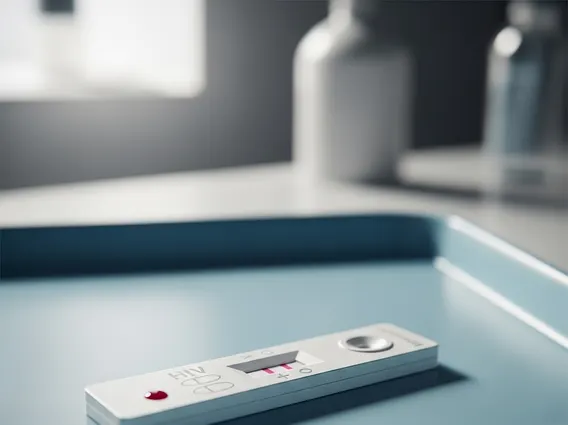
- Antibody Tests: These tests look for HIV antibodies in blood or oral fluid. Antibodies are proteins made by the immune system to fight off infections. Most rapid tests and all at-home tests are antibody tests. They can typically detect HIV antibodies 3 to 12 weeks after exposure.
- Antigen/Antibody Tests: These tests look for both HIV antibodies and p24 antigens, which are parts of the virus. Antigens are detectable sooner than antibodies, usually within 2 to 6 weeks after exposure. These are commonly used in laboratories and some rapid point-of-care tests.
- Nucleic Acid Tests (NATs): Also known as RNA tests, these tests look for the actual virus in the blood. NATs can detect HIV infection earlier than other types of tests, typically within 7 to 28 days after exposure. They are generally more expensive and are not routinely used for screening unless a person has had a recent high-risk exposure or is experiencing early symptoms of HIV.
The choice of test depends on factors such as the suspected time of exposure, the urgency of results, and the testing environment. Follow-up testing is often required to confirm a positive result from an initial screening test.
Where to Get an HIV Test
Accessing an HIV test is straightforward, with numerous options available to ensure convenience and confidentiality. Knowing where to get an HIV test is crucial for individuals seeking to understand their status. These tests are widely available through various healthcare and community settings, making it easier for people to get tested regularly.
Common places to get an HIV test include:
- Healthcare Providers: Your primary care physician or other healthcare providers can offer HIV testing as part of routine check-ups or upon request. They can also provide counseling and discuss risk factors.
- Community Health Clinics: Many local health departments and community organizations offer free or low-cost HIV testing, often with anonymous or confidential options. These clinics frequently provide additional services like counseling and referrals.
- Sexual Health Clinics: Clinics specializing in sexual health are excellent resources for HIV testing, along with other sexually transmitted infection (STI) screenings.
- Hospitals and Emergency Rooms: HIV testing may be available in hospital settings, particularly if you are seeking care for other health concerns.
- At-Home Testing Kits: Several FDA-approved at-home HIV test kits are available for purchase online or at pharmacies. These kits typically involve collecting a blood or oral fluid sample and either sending it to a lab or getting rapid results at home.
Regardless of where you choose to get tested, it is important to discuss any concerns with a healthcare professional to ensure you receive the most appropriate test and accurate interpretation of results. Confidentiality and support are key components of the testing process.