High-Fiber Foods for Cancer Recovery
Navigating recovery after cancer treatment involves many facets, with nutrition playing a pivotal role in restoring health and well-being. Incorporating high fiber foods for cancer patients can significantly support the body’s healing process, aiding in digestive health and overall resilience.
Key Takeaways
- Dietary fiber is crucial for cancer recovery, supporting gut health, immunity, and managing treatment side effects.
- Focus on a variety of fiber sources, including fruits, vegetables, legumes, whole grains, and nuts.
- Both soluble and insoluble fibers offer distinct benefits, from stabilizing blood sugar to promoting regular bowel movements.
- Introduce fiber gradually and ensure adequate hydration to prevent discomfort and maximize benefits.
- Consult healthcare professionals or registered dietitians for personalized dietary advice during recovery.
Why Fiber Matters for Cancer Recovery
During and after cancer treatment, the body undergoes immense stress, making nutritional support paramount. Dietary fiber after cancer treatment is not just about digestion; it’s a cornerstone of recovery, influencing various physiological processes that contribute to healing and improved quality of life. The benefits of fiber for cancer survivors extend beyond simple bowel regularity, encompassing immune modulation and inflammation control.
Supporting Gut Health and Immunity
The gut microbiome, a complex community of microorganisms in the digestive tract, plays a critical role in overall health, including immune function. Fiber acts as a prebiotic, nourishing beneficial gut bacteria, which in turn produce short-chain fatty acids (SCFAs) like butyrate. These SCFAs are vital for maintaining the integrity of the gut lining, reducing inflammation, and potentially influencing immune responses. A robust and balanced gut microbiome, supported by consistent fiber intake for cancer patients, can enhance the body’s ability to fight off infections and manage inflammation, which is often elevated during and after cancer therapies. The American Institute for Cancer Research emphasizes that a diet rich in plant foods, including fiber, is fundamental for supporting a healthy gut environment.
Easing Treatment-Related Side Effects
Many cancer treatments, such as chemotherapy and radiation, can lead to challenging gastrointestinal side effects, including constipation, diarrhea, and nausea. Incorporating high fiber foods cancer patients can help mitigate these issues. Soluble fiber, found in foods like oats and apples, can help regulate bowel movements by absorbing water and forming a gel-like substance, which can alleviate both constipation and certain types of diarrhea. Insoluble fiber, present in whole grains and many vegetables, adds bulk to stool, promoting regularity and preventing constipation, a common complaint among cancer patients. By facilitating smoother digestion and waste elimination, fiber contributes significantly to patient comfort and recovery.
Best High-Fiber Foods for Cancer Patients
Selecting the right foods rich in fiber for cancer recovery involves focusing on a diverse range of plant-based options. These foods not only provide essential fiber but also deliver a wealth of vitamins, minerals, and antioxidants crucial for healing and preventing recurrence. Understanding how fiber helps cancer recovery starts with knowing which foods to prioritize.
Fruits, Vegetables, and Legumes
These food groups are powerhouses of both soluble and insoluble fiber, along with vital micronutrients. They are often considered the best fiber for cancer recovery due to their comprehensive nutritional profiles. Patients should aim for a colorful variety to ensure a broad spectrum of benefits.
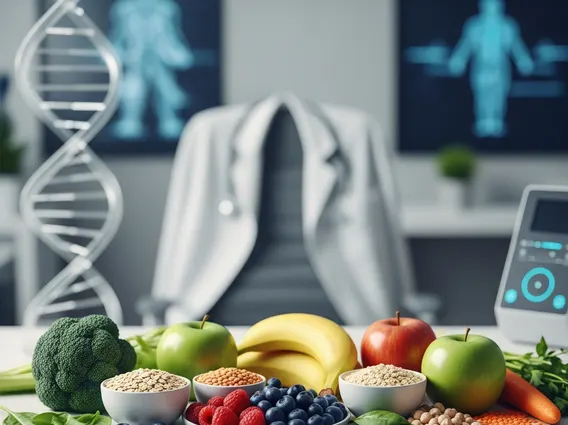
- Fruits: Berries (raspberries, blueberries), apples (with skin), pears, oranges, bananas, and prunes are excellent sources. They offer natural sweetness and are often easy to digest.
- Vegetables: Broccoli, carrots, spinach, kale, Brussels sprouts, sweet potatoes, and artichokes are rich in fiber. Cooking methods can be adjusted to make them more palatable if patients experience mouth sores or difficulty chewing.
- Legumes: Lentils, black beans, chickpeas, and kidney beans are incredibly high in fiber and plant-based protein. They can be incorporated into soups, stews, salads, or pureed into dips.
A typical serving of black beans (½ cup cooked) can provide around 7-8 grams of fiber, while a medium apple with skin offers about 4 grams. The World Health Organization recommends consuming at least five portions (400g) of fruit and vegetables per day for overall health, a guideline particularly relevant for cancer survivors.
Whole Grains and Nuts
Whole grains and nuts provide substantial fiber, along with healthy fats, B vitamins, and minerals. They are integral components of a diet focused on high fiber foods for cancer patients.
- Whole Grains: Options like oats, quinoa, brown rice, whole wheat bread, and barley are excellent sources of both soluble and insoluble fiber. They contribute to sustained energy release and digestive health. For instance, a half-cup serving of cooked oats can provide approximately 4 grams of fiber.
- Nuts and Seeds: Almonds, walnuts, chia seeds, flaxseeds, and sunflower seeds are packed with fiber, healthy fats, and protein. They make for convenient snacks or additions to meals. Chia seeds, for example, offer an impressive 10 grams of fiber per ounce.
When choosing whole grains, look for products where “whole grain” is listed as the first ingredient. Nuts and seeds should be consumed in moderation due to their calorie density, but their fiber content makes them highly valuable for cancer recovery diets.
Navigating Different Fiber Types for Healing
Understanding the distinction between soluble and insoluble fiber is key to maximizing the benefits of fiber for cancer survivors. Both types are essential, but they function differently within the digestive system, offering unique contributions to healing and well-being during recovery.
Soluble Fiber’s Role in Recovery
Soluble fiber dissolves in water to form a gel-like substance, which can slow down digestion. This property is particularly beneficial for cancer patients as it helps stabilize blood sugar levels, preventing rapid spikes and crashes that can impact energy and mood. By slowing gastric emptying, soluble fiber can also contribute to a feeling of fullness, which can be helpful for managing appetite. Furthermore, it can bind to cholesterol in the digestive tract, helping to lower LDL (“bad”) cholesterol levels. Foods rich in soluble fiber include oats, barley, apples, citrus fruits, carrots, beans, and psyllium. Its gentle nature makes it an excellent choice for individuals experiencing sensitive digestion or certain types of diarrhea, as it helps to firm up stool.
Insoluble Fiber for Digestive Health
Insoluble fiber, unlike soluble fiber, does not dissolve in water. Instead, it adds bulk to stool, which is crucial for promoting regular bowel movements and preventing constipation, a common side effect of pain medications and other cancer treatments. By accelerating the passage of food through the digestive system, insoluble fiber helps to keep the colon clean and healthy. This increased transit time can also reduce the exposure of the intestinal lining to potential toxins. Sources of insoluble fiber include whole wheat flour, wheat bran, nuts, beans, and vegetables like green beans, cauliflower, and potato skins. Incorporating these into the diet is vital for maintaining consistent digestive function and overall gut integrity, directly supporting how fiber helps cancer recovery.
Practical Tips for Increasing Fiber Intake Safely
While the benefits of fiber for cancer survivors are clear, increasing fiber intake too quickly can lead to discomfort such as bloating, gas, and abdominal pain. A gradual approach, coupled with adequate hydration, is essential for safely integrating more high fiber foods for cancer patients into the diet.
Gradual Introduction and Hydration
The key to successfully increasing fiber intake for cancer patients is to do so slowly. Start by adding small amounts of fiber-rich foods to your diet each day and gradually increase the quantity over several weeks. This allows your digestive system to adapt. For example, begin by adding a tablespoon of chia seeds to your oatmeal or an extra serving of vegetables to your dinner. Equally important is ensuring sufficient fluid intake. Fiber absorbs water, and without enough hydration, it can exacerbate constipation rather than relieve it. Aim to drink at least 8-10 glasses of water daily, or as recommended by your healthcare team, especially when increasing fiber. Herbal teas and clear broths can also contribute to your fluid intake.
Monitoring and Adjusting Your Diet
Pay close attention to how your body responds as you increase your fiber intake. Keep a food diary to track what you eat and any symptoms you experience. If you notice increased gas, bloating, or discomfort, you may need to slow down the rate of increase or temporarily reduce your fiber intake before trying again. It is also important to consult with your healthcare team, including a registered dietitian specializing in oncology, before making significant dietary changes. They can provide personalized guidance based on your specific treatment plan, side effects, and nutritional needs, ensuring that your approach to incorporating best fiber for cancer recovery is safe and effective. They can help you identify the most appropriate foods rich in fiber for cancer that align with your individual tolerance and recovery goals.
Frequently Asked Questions
What is the recommended daily fiber intake for cancer patients?
While general guidelines suggest 25-38 grams of fiber per day for adults, the optimal intake for cancer patients can vary significantly based on their treatment stage, side effects, and overall health. It is crucial for cancer survivors to consult with an oncology dietitian or healthcare provider. They can offer personalized recommendations, ensuring that fiber intake supports recovery without exacerbating symptoms like diarrhea or constipation, and that it aligns with individual dietary needs and tolerances.
Can fiber help prevent cancer recurrence?
Research suggests that a diet rich in fiber, particularly from whole plant foods, may play a role in reducing the risk of certain cancer recurrences, especially colorectal cancer. Fiber contributes to a healthy gut microbiome, reduces inflammation, and helps eliminate potential carcinogens from the body more quickly. While fiber is a beneficial component of a healthy lifestyle, it’s part of a broader dietary pattern. It should be considered alongside other healthy eating habits and medical treatments for comprehensive cancer management.
Are fiber supplements a good alternative to food sources?
While fiber supplements can be helpful in specific situations, obtaining fiber primarily from whole foods is generally preferred. Whole foods like fruits, vegetables, legumes, and whole grains provide a complex matrix of nutrients, including vitamins, minerals, and antioxidants, that work synergistically to support health. Supplements typically offer isolated fiber and lack these additional beneficial compounds. Always consult your healthcare provider before taking any supplements, as they might interact with medications or not be suitable for your specific condition during cancer recovery.