
High-Fiber Foods and Their Health Benefits
High-fiber foods are an essential component of a healthy diet, playing a crucial role in maintaining overall well-being. Understanding their benefits and incorporating them into daily meals can significantly improve various aspects of health.
Key Takeaways
- Dietary fiber, found exclusively in plant-based foods, is vital for digestive health and exists in two main forms: soluble and insoluble.
- A high fiber diet health advantages include improved digestion, stable blood sugar levels, and reduced cholesterol, contributing to overall cardiovascular health.
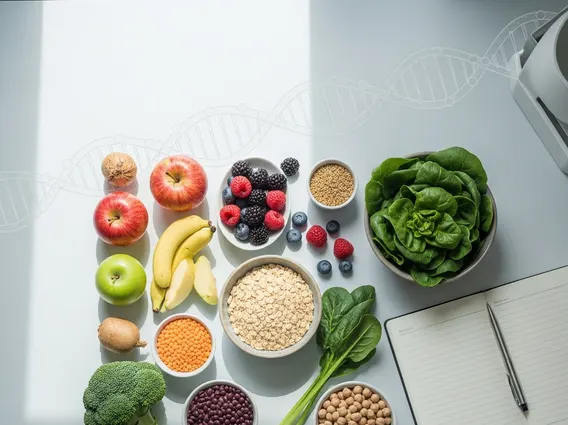
- Many common foods, such as fruits, vegetables, legumes, whole grains, nuts, and seeds, are excellent foods rich in dietary fiber.
- Gradually increasing fiber intake and ensuring adequate hydration are key strategies to comfortably boost your daily fiber consumption.
- Meeting the recommended daily fiber intake is crucial for preventing chronic diseases and promoting a healthy gut microbiome.
What Are High-Fiber Foods?
High fiber foods are plant-based foods that contain dietary fiber, a type of carbohydrate that the body cannot digest or absorb. Unlike other carbohydrates, fats, and proteins, fiber passes relatively intact through the stomach, small intestine, and colon, where it provides numerous health benefits. Understanding what are high fiber foods is the first step towards incorporating them into your daily diet for optimal health.
Soluble vs. Insoluble Fiber
Dietary fiber is broadly categorized into two main types, each with distinct properties and health benefits:
- Soluble Fiber: This type of fiber dissolves in water to form a gel-like substance. It can help lower blood cholesterol and glucose levels. Foods rich in soluble fiber include oats, peas, beans, apples, citrus fruits, carrots, and barley. Its ability to slow down digestion can contribute to a feeling of fullness, aiding in weight management.
- Insoluble Fiber: This fiber does not dissolve in water. It adds bulk to stool and helps food pass more quickly through the digestive system, promoting regular bowel movements. Whole-wheat flour, wheat bran, nuts, beans, and vegetables like green beans and potatoes are excellent sources of insoluble fiber. It is particularly beneficial for preventing constipation and maintaining a healthy gut.
Recommended Daily Fiber Intake
Despite the clear benefits, many individuals do not consume enough fiber. The recommended daily fiber intake varies by age and gender. According to the Dietary Guidelines for Americans, adult women should aim for about 25 grams of fiber per day, while adult men should target around 38 grams per day. Children and adolescents also have specific recommendations based on their age. For instance, the American Academy of Pediatrics suggests that children’s fiber intake should be their age plus 5 grams per day (e.g., a 10-year-old should aim for 15 grams). Most Americans fall short of these recommendations, consuming on average only about 15 grams of fiber daily, highlighting a significant dietary gap that can impact long-term health. [Source: U.S. Department of Agriculture]
Essential Health Benefits of a High-Fiber Diet
The benefits of eating fiber extend far beyond just digestive health, impacting various systems throughout the body. A consistent intake of high fiber foods is a cornerstone of preventive health, offering significant protection against a range of chronic conditions. This is precisely why is fiber good for you, as it supports both immediate well-being and long-term health.
Supporting Digestive Health
One of the most well-known advantages of fiber is its profound impact on the digestive system. Fiber rich foods for digestion help maintain bowel regularity and prevent common issues such as constipation. Insoluble fiber adds bulk to stool, facilitating its passage through the intestines, while soluble fiber softens stool, making it easier to pass. This dual action helps prevent straining and reduces the risk of hemorrhoids and diverticular disease. Furthermore, fiber acts as a prebiotic, feeding beneficial gut bacteria. A healthy gut microbiome is linked to improved immunity, reduced inflammation, and even better mood regulation. Studies indicate that individuals with higher fiber intake tend to have a more diverse and robust gut flora, which is crucial for overall gut health. [Source: American Society for Microbiology]
Managing Blood Sugar and Cholesterol
Beyond digestion, a high fiber diet health advantages include significant benefits for metabolic and cardiovascular health. Soluble fiber, in particular, plays a key role in managing blood sugar levels. It slows down the absorption of sugar into the bloodstream, which helps prevent sharp spikes in blood glucose after meals. This is especially beneficial for individuals with diabetes or those at risk of developing type 2 diabetes. Moreover, soluble fiber can help lower “bad” low-density lipoprotein (LDL) cholesterol levels. It binds with cholesterol particles in the digestive tract, preventing their absorption and promoting their excretion from the body. This reduction in LDL cholesterol contributes to a lower risk of heart disease and stroke, making fiber an invaluable component of a heart-healthy diet. [Source: American Heart Association]
Top High-Fiber Food Sources
Incorporating foods rich in dietary fiber into your daily meals is simpler than you might think, as many common and delicious options are packed with this essential nutrient. Building a diet around these choices is key to reaping the full spectrum of health benefits. Here is a comprehensive list of high fiber foods to help guide your selections.
Fruits, Vegetables, and Legumes
These plant-based powerhouses are fundamental sources of fiber and should form the bulk of your diet. They offer a wide array of vitamins, minerals, and antioxidants in addition to fiber.
- Fruits: Berries (raspberries, blackberries), apples (with skin), pears (with skin), bananas, and oranges are excellent choices. A single cup of raspberries can provide about 8 grams of fiber.
- Vegetables: Broccoli, Brussels sprouts, spinach, carrots, artichokes, and sweet potatoes are particularly high in fiber. For example, a medium artichoke contains approximately 10 grams of fiber.
- Legumes: Beans (black beans, kidney beans, navy beans), lentils, chickpeas, and split peas are incredibly rich in both soluble and insoluble fiber. One cup of cooked lentils can offer an impressive 15 grams of fiber.
Here’s a quick overview of some fiber-rich options:
| Food Item | Fiber Content (per serving) | Serving Size |
|---|---|---|
| Black Beans | 15 g | 1 cup, cooked |
| Lentils | 15 g | 1 cup, cooked |
| Raspberries | 8 g | 1 cup |
| Artichoke | 10 g | 1 medium |
| Avocado | 10 g | 1 cup, sliced |
Whole Grains, Nuts, and Seeds
These categories provide additional, often overlooked, sources of dietary fiber that can easily be integrated into meals and snacks.
- Whole Grains: Opt for whole grain versions of bread, pasta, and cereals. Oats, quinoa, brown rice, barley, and whole wheat are superior to their refined counterparts. For instance, a half-cup serving of rolled oats contains about 4 grams of fiber.
- Nuts: Almonds, pistachios, walnuts, and pecans are not only good sources of healthy fats but also contribute to your fiber intake. A small handful of almonds (about 23 nuts) provides around 3.5 grams of fiber.
- Seeds: Chia seeds, flax seeds, and sunflower seeds are tiny but mighty in terms of fiber. Just two tablespoons of chia seeds can deliver nearly 10 grams of fiber, making them an excellent addition to smoothies, yogurt, or oatmeal.
Choosing these high fiber foods consistently throughout the day ensures a steady and adequate intake of this crucial nutrient.
Practical Tips for Boosting Fiber Intake
Increasing your intake of high fiber foods doesn’t have to be a drastic overhaul of your diet. Small, consistent changes can lead to significant improvements in your fiber consumption and overall health. The key is to approach it thoughtfully to avoid potential discomfort.
Gradual Introduction and Hydration
When you start eating more fiber, it’s crucial to do so gradually. A sudden, large increase in fiber can lead to digestive discomfort such as bloating, gas, and abdominal cramps. Begin by adding just a few extra grams of fiber each day, perhaps by swapping one refined grain product for a whole grain alternative or adding a serving of vegetables to a meal. Allow your digestive system time to adjust. Equally important is to significantly increase your water intake as you boost your fiber consumption. Fiber absorbs water, and without adequate hydration, it can actually worsen constipation rather than alleviate it. Aim for at least eight glasses of water daily to help fiber move smoothly through your digestive tract and perform its functions effectively.
Creative Meal Planning
Integrating more fiber into your diet can be both easy and delicious with a bit of creative meal planning. Here are some practical tips:
- Start Your Day Right: Opt for oatmeal or whole-grain cereal topped with berries, nuts, or seeds. Add flax or chia seeds to smoothies.
- Boost Lunches and Dinners: Incorporate legumes like beans or lentils into salads, soups, stews, or casseroles. Add extra vegetables to pasta sauces, stir-fries, and omelets. Choose whole-wheat bread for sandwiches.
- Smart Snacking: Replace processed snacks with fruits, a handful of nuts, or raw vegetables with hummus. Popcorn (air-popped) is also a surprisingly good source of fiber.
- Don’t Peel: Whenever possible, eat fruits and vegetables with their skins, as a significant amount of fiber is found just beneath the surface.
By making these simple adjustments, you can easily increase your intake of high fiber foods and enjoy the many health benefits they offer.
Frequently Asked Questions
What happens if I increase my fiber intake too quickly?
Rapidly increasing fiber intake can lead to temporary digestive discomforts such as bloating, gas, and abdominal cramps. This occurs because your digestive system needs time to adjust to the increased bulk. To avoid these symptoms, it’s best to introduce fiber-rich foods gradually over several weeks, allowing your body to adapt. Simultaneously, ensure you drink plenty of water, as fiber absorbs fluid, and insufficient hydration can exacerbate constipation.
Can children benefit from high-fiber foods?
Absolutely. Children can greatly benefit from a diet rich in fiber, experiencing similar advantages to adults, including improved digestion, regular bowel movements, and better blood sugar control. Fiber also helps children feel full, which can aid in maintaining a healthy weight. The recommended daily fiber intake for children is generally their age plus 5 grams. Encourage fiber intake through fruits, vegetables, whole grains, and legumes in age-appropriate portions.
Are fiber supplements as effective as dietary fiber from whole foods?
While fiber supplements can help bridge a dietary gap, they are generally not as effective as obtaining fiber directly from whole foods. Whole foods provide a complex mix of soluble and insoluble fibers, along with essential vitamins, minerals, and antioxidants that work synergistically to promote health. Supplements typically offer only one or two types of isolated fiber. It’s always best to prioritize whole high fiber foods, using supplements only when dietary intake is insufficient and under professional guidance.



