Granular Leukocyte
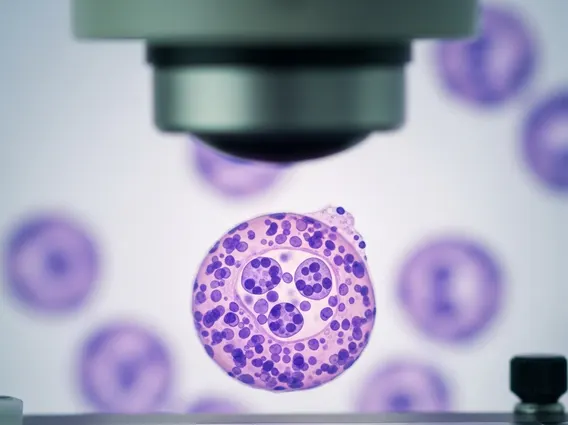
Granular leukocytes are a vital category of white blood cells, distinguished by the presence of prominent granules in their cytoplasm. These cells are integral components of the body’s innate immune system, playing crucial roles in defending against pathogens and mediating inflammatory responses.
Key Takeaways
- Granular Leukocyte refers to a type of white blood cell characterized by granules containing enzymes and other immune-active substances.
- These cells are essential for the body’s immune defense, particularly against infections and inflammation.
- The three primary types are neutrophils, eosinophils, and basophils, each with distinct functions.
- Neutrophils are the most abundant and are critical for fighting bacterial and fungal infections through phagocytosis.
- Eosinophils and basophils play significant roles in allergic reactions and defense against parasites.
What is a Granular Leukocyte?
A Granular Leukocyte is a type of white blood cell (leukocyte) that contains distinctive granules within its cytoplasm. These granules are essentially sacs filled with enzymes and other biochemicals that the cell uses to digest pathogens, modulate immune responses, or contribute to inflammation. Granular leukocytes, also known as granulocytes, are produced in the bone marrow and circulate in the bloodstream, ready to be deployed to sites of infection or injury. Their collective actions represent a significant aspect of the immune system’s immediate response mechanisms.
The presence and specific staining properties of these granules are what differentiate the various types of granular leukocytes. These cells are a critical part of the innate immune system, providing rapid, non-specific defense against a wide range of threats. The Centers for Disease Control and Prevention (CDC) highlights that white blood cells, including granular leukocytes, are fundamental for protecting the body from illness. Understanding how granular leukocytes explained contribute to immunity is key to comprehending the body’s defense mechanisms.
Types of Granular Leukocytes and Their Immune Functions
The human body relies on three primary types of granular leukocytes, each with specialized functions that collectively contribute to the robust immune system. These cells are distinguished by their granule content, nuclear morphology, and specific roles in combating different types of threats. The diverse types of granular leukocytes functions ensure a comprehensive immune response against bacteria, parasites, and allergens.
Types of Granular Leukocytes and Their Primary Functions
| Type | Characteristics | Primary Immune Function |
|---|---|---|
| Neutrophils | Most abundant (50-70% of WBCs), multi-lobed nucleus, pale granules. | First responders to bacterial and fungal infections; perform phagocytosis (engulfing and digesting pathogens). |
| Eosinophils | Bilobed nucleus, prominent red/orange granules. | Combat parasitic infections; involved in allergic reactions and asthma by releasing inflammatory mediators. |
| Basophils | Least common (<1% of WBCs), bilobed nucleus often obscured by large, dark-blue granules. | Release histamine and other chemicals during allergic reactions and inflammation, contributing to hypersensitivity responses. |
Each of these granular leukocyte types plays a distinct granular leukocyte role in immune system. Neutrophils are particularly crucial for acute bacterial infections, rapidly migrating to the site of infection and engulfing pathogens. Eosinophils are more specialized, targeting larger parasites that cannot be phagocytosed and modulating allergic responses. Basophils, while less numerous, are powerful mediators of inflammation and allergic reactions, releasing potent substances that affect blood vessels and other immune cells. The coordinated action of these cells is essential for maintaining health and protecting the body from a wide array of environmental and internal threats.