Glans Penis
The Glans Penis is a vital anatomical component of the male reproductive system, representing the sensitive, conical tip of the penis. It plays a crucial role in various physiological processes, including sexual sensation, urination, and reproduction.
Key Takeaways
- The Glans Penis is the highly innervated, bulbous tip of the penis, essential for sensation and function.
- Its primary functions include facilitating sexual pleasure, protecting the urethra, and aiding in reproduction.
- Common conditions affecting the Glans Penis range from inflammatory issues like balanitis to structural problems such as phimosis.
- Maintaining diligent hygiene is paramount for preventing infections and ensuring overall health of the Glans Penis.
- Prompt medical consultation is advised for any persistent discomfort, unusual discharge, or changes in appearance.
What is the Glans Penis: Anatomy and Function
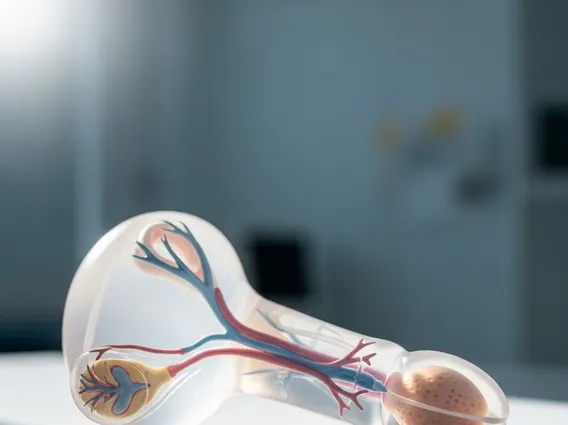
The Glans Penis refers to the rounded, distal end of the human penis, often described as its head. This structure is highly vascularized and rich in nerve endings, making it extremely sensitive to touch and pressure. It is typically covered by the foreskin (prepuce) in uncircumcised males, which can be retracted to expose the glans. The opening for the urethra, known as the urethral meatus, is located at the tip of the glans, serving as the exit point for both urine and semen.
The glans penis anatomy and function explained highlights its critical roles. Anatomically, it is composed of spongy erectile tissue, which engorges with blood during arousal, contributing to penile erection. Functionally, what is the glans penis and its purpose encompasses several key aspects. Its high sensitivity is crucial for sexual arousal and pleasure, facilitating intercourse. It also protects the delicate urethral opening and plays a significant part in the ejaculatory process, helping to deliver semen during reproduction. The unique shape of the glans is also thought to aid in cervical stimulation during intercourse.
Common Glans Penis Conditions and Symptoms
Several conditions can affect the Glans Penis, leading to discomfort, pain, or changes in appearance. Understanding these issues and their associated symptoms is important for timely diagnosis and treatment. One of the most prevalent conditions is balanitis, which is an inflammation of the glans. It can be caused by poor hygiene, fungal infections (like Candida), bacterial infections, or irritation from soaps and chemicals. Symptoms often include redness, swelling, itching, pain, and sometimes a foul-smelling discharge.
Other common glans penis conditions and symptoms include:
- Phimosis: A condition where the foreskin cannot be fully retracted over the glans. This can be physiological (normal in infants) or pathological (due to scarring or infection), potentially causing pain during erection or urination.
- Paraphimosis: A medical emergency where the retracted foreskin becomes trapped behind the glans and cannot be returned to its normal position. This can lead to swelling and restricted blood flow to the glans.
- Lichen Sclerosus: A chronic inflammatory skin condition that can affect the glans and foreskin, causing white, thickened patches, itching, and sometimes scarring.
- Herpes Simplex Virus (HSV): A sexually transmitted infection that can cause painful blisters and sores on the glans.
- Human Papillomavirus (HPV): Can manifest as genital warts on the glans, which are flesh-colored or whitish bumps.
Any persistent symptoms such as pain, swelling, unusual discharge, or lesions on the Glans Penis warrant a medical evaluation to determine the underlying cause and appropriate treatment.
Glans Penis Health and Hygiene
Maintaining proper hygiene is fundamental for preventing infections and promoting the overall health of the Glans Penis. Good hygiene practices are especially important for uncircumcised individuals, as the foreskin can create a warm, moist environment conducive to bacterial and fungal growth if not cleaned regularly. The accumulation of smegma, a natural substance composed of dead skin cells, oils, and moisture, can also lead to irritation and infection if not removed.
Here are some essential glans penis health and hygiene tips:
- Daily Cleaning: Gently retract the foreskin (if uncircumcised) and wash the glans with warm water during showering or bathing. Mild, unscented soap can be used, but harsh soaps or perfumed products should be avoided as they can cause irritation.
- Thorough Rinsing: Ensure all soap residue is completely rinsed off to prevent irritation.
- Gentle Drying: Pat the area dry thoroughly after washing to prevent moisture buildup, which can encourage fungal growth.
- Avoid Harsh Products: Steer clear of strong detergents, antiseptics, or deodorants on the glans, as these can disrupt the natural skin barrier and cause inflammation.
- Safe Sexual Practices: Using condoms can help prevent the transmission of sexually transmitted infections (STIs) that can affect the glans.
- Regular Self-Examination: Periodically check the glans for any unusual lumps, sores, discoloration, or discharge. Early detection of changes can lead to more effective treatment.
If you experience persistent irritation, redness, discharge, or any other concerning symptoms despite good hygiene, it is crucial to consult a healthcare professional. They can provide an accurate diagnosis and recommend appropriate treatment to maintain optimal Glans Penis health.