Gingiva
The Gingiva, commonly known as the gums, is the specialized soft tissue that surrounds the teeth and covers the alveolar bone, playing a crucial role in oral health and the structural integrity of the dentition. Understanding its anatomy, function, and characteristics is essential for maintaining a healthy mouth.
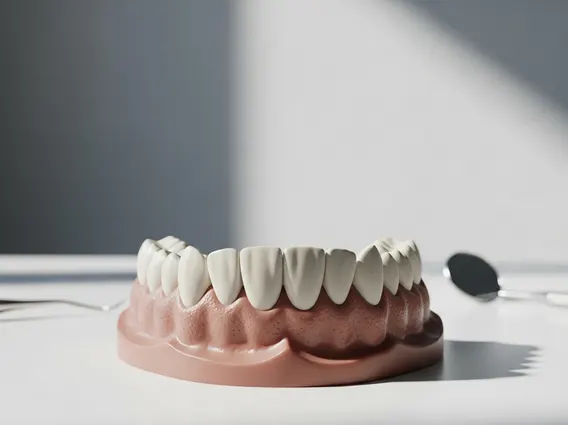
Key Takeaways
- Gingiva is the soft tissue surrounding teeth, providing protection and support.
- It consists of various anatomical parts, including free, attached, and interdental gingiva, each with distinct roles.
- Healthy gingiva is typically pink, firm, and does not bleed easily.
- The primary function of gingiva is to form a protective seal around the teeth, guarding against bacterial invasion.
- Maintaining good oral hygiene is vital for preventing gingival diseases and preserving overall oral health.
What is Gingiva?
Gingiva refers to the mucous membrane that covers the alveolar processes of the maxilla and mandible and surrounds the necks of the teeth. It is a vital component of the periodontium, the supporting structures of the teeth. This specialized tissue forms a protective barrier against bacteria and other irritants, preventing them from reaching the underlying bone and tooth roots. Its resilience and ability to withstand the forces of chewing are critical for maintaining oral health.
The health of the gingiva is a strong indicator of overall oral well-being. Inflammation or disease of this tissue, known as gingivitis or periodontitis, can lead to serious dental problems, including tooth loss, if left untreated. Regular dental check-ups and proper oral hygiene practices are fundamental in preserving the integrity and health of the gingiva.
Gingiva Anatomy, Function, and Tissue Types
The gingiva function and anatomy are complex, designed to provide robust support and protection for the teeth. Anatomically, the gingiva is divided into several distinct regions:
- Free Gingiva: This is the unattached portion that forms the soft tissue wall of the gingival sulcus (the shallow groove between the tooth and the gingiva). It extends from the gingival margin to the free gingival groove.
- Attached Gingiva: This firm, resilient tissue is tightly bound to the underlying cementum and alveolar bone. It extends from the free gingival groove to the mucogingival junction and is crucial for anchoring the gingiva securely.
- Interdental Gingiva: Also known as the interdental papilla, this tissue fills the embrasure space between adjacent teeth, preventing food impaction and protecting the underlying bone.
The primary function of the gingiva is to create a tight seal around the teeth, protecting the deeper periodontal structures from bacterial infection. It acts as a first line of defense, preventing microorganisms from entering the bloodstream and potentially affecting systemic health. The gingiva also helps in dissipating the forces of mastication, providing stability to the teeth.
Regarding types of gingiva tissue, the gingiva is primarily composed of keratinized stratified squamous epithelium and an underlying connective tissue layer. The degree of keratinization varies, with the attached gingiva and interdental papilla typically being more keratinized, providing greater resistance to mechanical stress. This specialized tissue composition allows the gingiva to withstand the constant wear and tear of daily oral activities while maintaining its protective function.
Characteristics of Healthy Gingiva
Recognizing the healthy gingiva characteristics is crucial for early detection of potential oral health issues. Healthy gingiva typically exhibits a specific set of visual and tactile properties:
A healthy gingiva is usually pink, though its exact shade can vary depending on an individual’s complexion and ethnic background. It should have a firm and resilient consistency, not soft or spongy, and should be tightly adapted around the teeth. The surface often has a stippled appearance, similar to an orange peel, particularly in the attached gingiva, which indicates good health and proper keratinization. A key indicator of healthy gums is the absence of bleeding during brushing, flossing, or gentle probing by a dental professional. The gingival margin should be knife-edged and flat, fitting snugly around the tooth, and the interdental papillae should fill the spaces between teeth completely.
Conversely, signs of unhealthy gingiva include redness, swelling, tenderness, and bleeding, which are common indicators of gingivitis. If these symptoms persist or worsen, it could signal the progression to periodontitis, a more severe form of gum disease that can lead to bone loss and tooth mobility. Regular oral hygiene, including brushing twice daily and flossing once a day, along with routine dental check-ups, are essential practices for maintaining these healthy characteristics and preventing gum disease. According to the Centers for Disease Control and Prevention (CDC), nearly half of adults aged 30 years and older have some form of periodontal disease, highlighting the importance of recognizing and addressing gingival health proactively.