
Geranium
Geranium, in a clinical context, often refers to the various bioactive compounds or extracts derived from plants belonging to the Geranium (true geraniums) or Pelargonium (commonly known as geraniums) genera. These derivatives are studied for their potential therapeutic properties and applications in health and wellness.
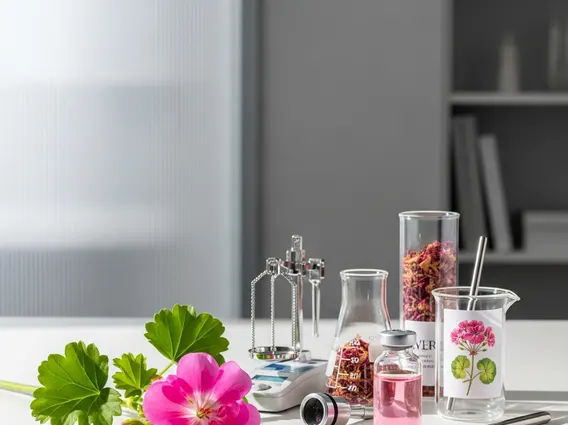
Key Takeaways
- Geranium refers to medically relevant compounds or extracts sourced from Geranium plants.
- These plants, often from the Pelargonium genus, yield substances with diverse biological activities.
- Understanding the different types of geranium flowers is crucial for identifying species with specific beneficial compounds.
- Effective geranium plant care guide and optimal geranium growing conditions are essential for cultivating plants for medicinal extraction.
- Research into Geranium derivatives explores their potential uses, though clinical applications require further validation.
What is Geranium?
Geranium, when discussed in a medical or clinical context, typically refers to the various compounds, essential oils, or extracts obtained from plants commonly known as geraniums. These plants, particularly species within the Pelargonium genus, are rich in phytochemicals such as geraniol, citronellol, linalool, and various flavonoids. These constituents are currently under investigation for their potential biological activities, including antioxidant, anti-inflammatory, and antimicrobial properties. The use of Geranium derivatives in traditional practices has led to scientific interest in validating their efficacy and safety for modern therapeutic applications.
While the term “Geranium” can broadly refer to the plant itself, its clinical significance lies in the isolated or concentrated substances that can be extracted. For instance, Geranium essential oil, derived primarily from Pelargonium graveolens, is a well-known example of a Geranium product studied for its potential health benefits. The specific composition and potential effects of Geranium extracts can vary significantly depending on the plant species, growing conditions, and extraction methods used.
Types of Geranium Flowers
Understanding the different types of geranium flowers is important because the chemical composition and potential therapeutic properties of Geranium extracts can vary significantly between species. While true geraniums belong to the genus Geranium, many plants commonly referred to as “geraniums” are actually members of the genus Pelargonium. Both genera are part of the Geraniaceae family, but they differ botanically and in their chemical profiles.
Key types often utilized for their extracts include:
- Rose Geranium (Pelargonium graveolens): Widely cultivated for its essential oil, which has a rosy scent and is rich in geraniol and citronellol.
- Scented Geraniums (various Pelargonium species and hybrids): These varieties are known for their diverse leaf scents (e.g., lemon, peppermint, apple) and are often used in aromatherapy and traditional remedies.
- Cranesbill Geraniums (true Geranium species): While less commonly used for essential oil, some species have been traditionally used for their astringent properties.
Each type can offer a unique spectrum of compounds, making species identification critical for consistent clinical research and application. For example, the essential oil from Pelargonium graveolens is frequently studied for its dermatological and aromatherapeutic potential.
Geranium Plant Care and Growing Conditions
For the consistent production of high-quality Geranium extracts and compounds, understanding proper geranium plant care guide and optimizing geranium growing conditions are paramount. The cultivation environment directly influences the plant’s health, growth, and, crucially, the concentration of its bioactive constituents. Optimal conditions ensure a robust yield of the desired compounds for clinical study and application.
General guidelines for cultivating Geranium plants (especially Pelargonium species for extraction) include:
- Sunlight: Geraniums thrive in full sun to partial shade, requiring at least 6 hours of direct sunlight daily for vigorous growth and optimal essential oil production.
- Soil: Well-draining soil is essential to prevent root rot. A slightly acidic to neutral pH (6.0-7.0) is generally preferred.
- Watering: Consistent moisture is important, but overwatering should be avoided. Allow the top inch of soil to dry out between waterings.
- Temperature: Most Geraniums prefer moderate temperatures and are sensitive to frost, requiring protection or indoor cultivation in colder climates.
- Pruning: Regular pruning helps maintain plant shape, encourages bushier growth, and can enhance flowering and leaf production, which are often the source of extracts.
Adhering to a comprehensive geranium plant care guide ensures that the raw material for clinical Geranium products is of consistent quality, which is vital for reliable research and potential therapeutic development.
Disclaimer: The information provided regarding Geranium and its derivatives is for educational purposes only and does not constitute medical advice. Any use of Geranium-derived products for health purposes should be discussed with a qualified healthcare professional and does not replace conventional medical treatment.



















