Gavage
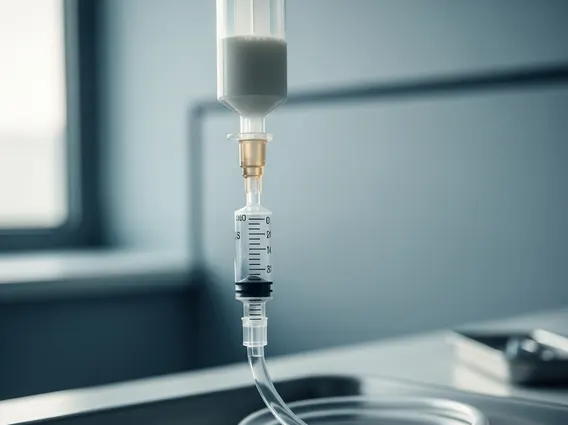
Gavage is a critical medical procedure involving the administration of substances directly into the stomach, typically through a tube. It is primarily used for nutritional support or medication delivery when oral intake is not possible or safe.
Key Takeaways
- Gavage is a medical procedure for delivering nutrients or medications directly to the stomach via a tube.
- Its primary purpose is to provide essential support when oral intake is compromised due to various medical conditions.
- The procedure involves inserting a feeding tube, often nasogastric or orogastric, into the stomach.
- Proper technique, patient monitoring, and tube care are crucial to ensure safety and effectiveness.
- Gavage is a vital intervention for patients unable to eat or swallow safely, including infants and critically ill individuals.
What is Gavage and Its Purpose?
Gavage refers to the medical procedure of administering substances, such as nutrients, fluids, or medications, directly into the stomach through a tube. This method bypasses the oral cavity and esophagus, making it essential for individuals who cannot safely or adequately consume substances by mouth. The primary purpose of gavage feeding is to ensure patients receive necessary caloric intake and hydration, preventing malnutrition and dehydration, which are critical for recovery and overall health.
This intervention is commonly employed in various clinical scenarios, including premature infants who lack a fully developed suck-swallow reflex, patients with severe dysphagia (difficulty swallowing) due to neurological conditions like stroke or Parkinson’s disease, those recovering from oral or esophageal surgery, or individuals in critical care settings who are unconscious or intubated. According to the World Health Organization (WHO), adequate nutritional support is fundamental for patient recovery and reducing mortality rates, particularly in vulnerable populations such as neonates and critically ill adults. Gavage ensures that these patients maintain their nutritional status, supporting their immune function and healing processes.
How is Gavage Performed?
The Gavage procedure explained involves the careful insertion of a feeding tube into the patient’s stomach. The most common routes for tube placement are nasogastric (through the nose) or orogastric (through the mouth), depending on the patient’s age, condition, and anticipated duration of feeding. For long-term nutritional support, tubes may be surgically placed directly into the stomach (gastrostomy) or small intestine (jejunostomy).
The steps involved in performing gavage typically include:
- Preparation: The healthcare provider gathers necessary equipment, including the appropriate size feeding tube, lubricant, syringe, stethoscope, and the prescribed formula or medication.
- Patient Positioning: The patient is positioned comfortably, usually in a semi-Fowler’s position, to facilitate tube insertion and minimize the risk of aspiration.
- Tube Insertion: The lubricated tube is gently inserted through the chosen route (nose or mouth) and advanced down the esophagus into the stomach. Proper measurement ensures the tube reaches the stomach without coiling in the esophagus.
- Confirmation of Placement: Critically, the tube’s position must be confirmed before any feeding or medication administration. Methods include aspirating gastric contents and checking their pH, auscultating air injected into the stomach, or, most reliably, chest X-ray.
- Administration: Once placement is confirmed, the prescribed liquid (formula, water, or medication) is administered slowly, either by gravity or using a feeding pump.
- Post-Procedure Care: After administration, the tube is flushed with water to prevent clogging, and the patient is monitored for any adverse reactions. The tube site is also regularly assessed for skin integrity.
The frequency and volume of gavage feeds are individualized based on the patient’s nutritional needs, tolerance, and medical condition, ensuring a safe and effective delivery of essential support.