Gastrostomy Tube
A gastrostomy tube, often referred to as a G-tube, is a medical device used to provide nutrition, fluids, and medication directly into the stomach. This method is crucial for individuals who are unable to eat or drink sufficiently by mouth.
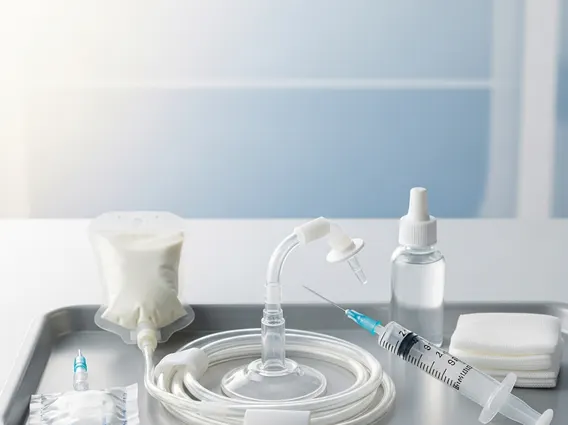
Key Takeaways
- A Gastrostomy Tube (G-tube) is a feeding device inserted through the abdominal wall directly into the stomach.
- Its primary purpose is to deliver nutrition, fluids, and medication when oral intake is not possible or safe.
- G-tubes are used for various medical conditions, including neurological disorders, head and neck cancers, and severe swallowing difficulties.
- Proper care, including site cleaning, flushing, and monitoring for complications, is essential to prevent infection and maintain tube function.
- Regular medical follow-up ensures the tube remains effective and addresses any potential issues promptly.
What is a Gastrostomy Tube (G-Tube)?
A Gastrostomy Tube (G-tube) is a flexible tube inserted through a small incision in the abdomen into the stomach. This medical device provides a direct route for delivering nourishment, hydration, and medications when a person cannot consume them orally. The placement of a G-tube is typically a minor surgical procedure, often performed endoscopically or laparoscopically, and is considered for long-term nutritional support.
The gastrostomy tube definition and uses center around its role in bypassing the mouth and esophagus. It is designed to ensure patients receive adequate caloric intake and hydration, which is vital for recovery, maintaining health, and improving quality of life. The tube itself is usually made from silicone or polyurethane and features an external bumper or disk to keep it in place, along with an internal balloon or bumper to secure it within the stomach.
Purpose and Uses of a Gastrostomy Tube
The gastrostomy tube purpose and function are primarily to facilitate enteral feeding, which means delivering nutrients directly into the gastrointestinal tract. This is necessary for individuals who have a functional digestive system but cannot safely or adequately ingest food or liquids through the mouth. The uses of a G-tube are broad, addressing a variety of medical conditions that impair oral intake.
Common reasons for needing a gastrostomy tube include:
- Neurological Conditions: Diseases like stroke, Parkinson’s disease, or amyotrophic lateral sclerosis (ALS) can impair swallowing reflexes, leading to a high risk of aspiration (food or liquid entering the lungs).
- Head and Neck Cancers: Treatment for these cancers, such as radiation therapy or surgery, can make swallowing painful or impossible.
- Gastrointestinal Disorders: Conditions like severe Crohn’s disease or short bowel syndrome, where the upper digestive tract is compromised, may necessitate direct stomach access for feeding.
- Congenital Abnormalities: Infants born with certain conditions that affect the mouth, esophagus, or stomach may require a G-tube for proper growth and development.
- Failure to Thrive: In cases where individuals, particularly children, cannot gain weight or grow adequately despite oral intake, a G-tube can supplement nutrition.
By providing a reliable and safe means of nutrition, a G-tube helps prevent malnutrition, dehydration, and medication non-compliance, significantly improving patient outcomes.
How to Care for a Gastrostomy Tube
Proper care for a gastrostomy tube is essential to prevent complications such as infection, skin irritation, and tube blockage. Patients and caregivers must be educated on daily maintenance routines to ensure the tube remains functional and the insertion site stays healthy. Adhering to these guidelines helps in the long-term success of enteral feeding.
Key aspects of how to care for a gastrostomy tube include:
- Site Cleaning: The skin around the G-tube site should be cleaned daily with mild soap and water, or as directed by a healthcare professional. It is crucial to keep the area dry and free from drainage to prevent skin breakdown and infection.
- Flushing the Tube: The G-tube must be flushed with water before and after each feeding or medication administration. This prevents blockages and ensures the tube remains clear for future use.
- Checking Tube Position: Regularly verify that the external bumper or disk is positioned correctly against the skin and that the tube has not migrated. If an internal balloon is used, its volume should be checked periodically.
- Monitoring for Complications: Watch for signs of infection, such as redness, swelling, pain, or pus around the site. Other complications include leakage, granulation tissue formation, or tube dislodgement. Any concerns should be reported to a healthcare provider immediately.
- Securing the Tube: Ensure the tube is properly secured to prevent accidental pulling or dislodgement, which can be painful and lead to complications.
Following these care instructions diligently helps maintain the integrity of the gastrostomy tube and promotes the overall well-being of the individual relying on it for nutritional support.