Gastrojejunostomy
Gastrojejunostomy is a surgical procedure that creates a connection between the stomach and the jejunum, a part of the small intestine. This intervention is performed to bypass obstructions or re-route the digestive tract, facilitating the passage of food.
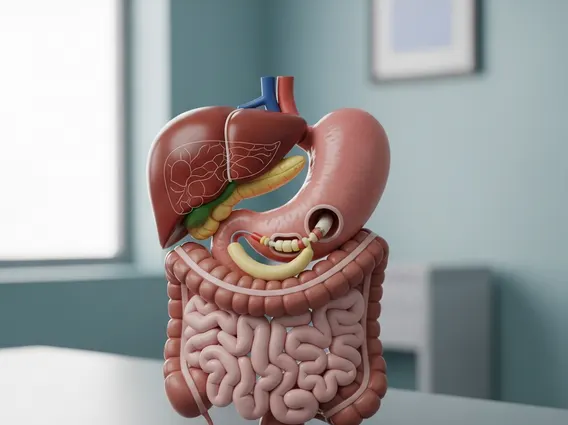
Key Takeaways
- Gastrojejunostomy is a surgical connection between the stomach and the jejunum.
- It is primarily performed to bypass blockages or re-route the digestive system.
- Common reasons include gastric outlet obstruction, certain cancers, and bariatric surgery.
- The procedure involves creating an anastomosis and can be done openly or laparoscopically.
- Recovery typically involves a hospital stay, dietary progression, and gradual return to normal activities.
What is Gastrojejunostomy?
Gastrojejunostomy refers to a surgical procedure that establishes a direct connection, known as an anastomosis, between the stomach and the jejunum, which is the middle section of the small intestine. This bypasses the duodenum, the first part of the small intestine. The primary goal of this operation is to allow food and digestive fluids to flow from the stomach directly into the jejunum, circumventing any blockages or diseased sections of the upper gastrointestinal tract. This procedure is a significant intervention in gastrointestinal surgery, often performed to restore digestive continuity or manage complex conditions affecting the stomach and duodenum.
Reasons for Gastrojejunostomy Surgery
There are several critical reasons for gastrojejunostomy surgery, primarily aimed at alleviating symptoms and improving quality of life for patients with specific gastrointestinal conditions. One of the most common indications is gastric outlet obstruction, where the normal passage of food from the stomach to the small intestine is blocked. This obstruction can be caused by various factors, including:
- Benign conditions such as peptic ulcer disease leading to scarring and stricture formation.
- Malignant tumors, particularly those originating in the stomach, duodenum, or pancreas, which compress or invade the pylorus (the opening from the stomach to the duodenum).
- Inflammatory conditions or trauma that result in narrowing of the gastric outlet.
Additionally, gastrojejunostomy is a fundamental component of certain bariatric (weight-loss) surgeries, such as Roux-en-Y gastric bypass, where a smaller stomach pouch is created and connected directly to the jejunum. In some cases, it may also be performed as a palliative measure to improve feeding and comfort for patients with advanced, inoperable cancers that cause obstruction.
Gastrojejunostomy Procedure and Recovery
The Gastrojejunostomy procedure explained involves surgically creating an opening in the stomach and another in the jejunum, then meticulously joining these two openings to form a new pathway for food. The specific technique can vary, but generally, the jejunum is brought up to the stomach, and an anastomosis is created. This can be performed using traditional open surgery, which involves a larger incision, or through minimally invasive laparoscopic techniques, utilizing small incisions and specialized instruments. Laparoscopic approaches often lead to less pain, shorter hospital stays, and quicker recovery times compared to open surgery.
Following the procedure, Gastrojejunostomy recovery time typically involves a hospital stay ranging from a few days to over a week, depending on the patient’s overall health and the complexity of the surgery. Initially, patients will receive nutrition intravenously, and oral intake will be gradually introduced, starting with clear liquids and progressing to a soft diet. Pain management is crucial during this period. Patients are encouraged to ambulate early to prevent complications such as blood clots and pneumonia. Full recovery, including a return to normal activities, can take several weeks to a few months. Regular follow-up appointments with the surgical team are essential to monitor healing, manage potential complications, and provide dietary guidance.