Gastrointestinal System
The Gastrointestinal System is a vital organ system responsible for processing food, absorbing nutrients, and eliminating waste. Understanding its structure and function is crucial for maintaining overall health and well-being.
Key Takeaways
- The Gastrointestinal System, also known as the digestive system, is a complex network of organs extending from the mouth to the anus.
- Its primary roles include the digestion of food, absorption of essential nutrients, and the elimination of waste products from the body.
- The system operates through a coordinated sequence of mechanical and chemical processes to break down food efficiently.
- Common conditions like Gastroesophageal Reflux Disease (GERD), Irritable Bowel Syndrome (IBS), and Inflammatory Bowel Disease (IBD) can significantly impair its function.
- Maintaining a healthy lifestyle, including diet and exercise, is fundamental for supporting optimal gastrointestinal health.
What is the Gastrointestinal System?
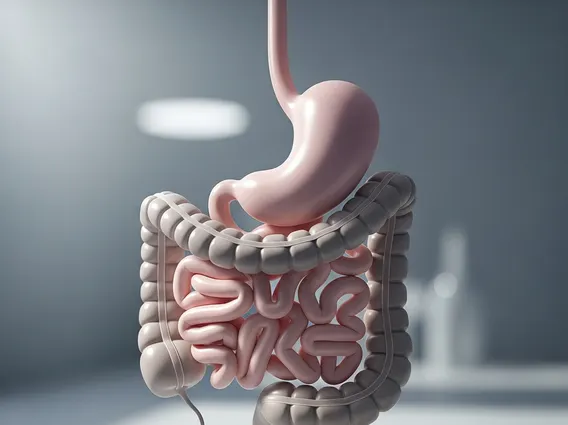
The Gastrointestinal System refers to the intricate organ system responsible for ingesting and digesting food, absorbing vital nutrients, and expelling waste products. Often called the digestive system, it forms a continuous pathway from the mouth to the anus, involving both hollow and solid organs that work in concert. This complex system’s primary objective is to transform food into smaller molecules that the body can readily absorb and utilize for energy, growth, and cellular repair.
Key components of the Gastrointestinal System include the mouth, pharynx, esophagus, stomach, small intestine, large intestine, and anus. Additionally, accessory organs such as the salivary glands, liver, gallbladder, and pancreas play crucial roles by producing enzymes and other substances essential for digestion. Each part contributes uniquely to the journey of food, ensuring efficient processing and nutrient extraction.
Functions and Mechanism of the Gastrointestinal System
The functions of the digestive system are diverse and essential for survival, encompassing a series of processes that convert ingested food into usable energy and facilitate waste removal. These fundamental processes include ingestion (taking in food), propulsion (moving food through the tract), mechanical digestion (physical breakdown), chemical digestion (enzymatic breakdown), absorption (nutrient uptake), and defecation (waste elimination). Each stage is meticulously regulated, involving both conscious and unconscious actions.
How does the human digestive system work?
The human digestive system works through a sophisticated and coordinated interplay of mechanical and chemical actions. Digestion begins in the mouth with chewing (mechanical) and the action of salivary enzymes (chemical). Food then travels down the esophagus to the stomach via peristalsis, a series of rhythmic, wave-like muscle contractions. In the stomach, powerful muscular contractions churn the food, mixing it with gastric acids and enzymes to create a semi-liquid substance called chyme. This chyme then enters the small intestine, which is the primary site for nutrient absorption. Here, digestive enzymes from the pancreas and bile from the liver and gallbladder further break down carbohydrates, proteins, and fats. The resulting nutrients are then absorbed into the bloodstream and lymphatic system. Finally, indigestible material moves into the large intestine, where water is absorbed, and waste is compacted into feces for eventual elimination through the anus. This entire process typically takes between 24 and 72 hours, varying based on individual factors and dietary intake.
Common Gastrointestinal Diseases
A wide array of conditions can affect the Gastrointestinal System, leading to discomfort, impaired nutrient absorption, and various health complications. Common gastrointestinal diseases range in severity and impact, often necessitating medical intervention for effective management. According to the Centers for Disease Control and Prevention (CDC), digestive diseases represent a significant public health concern, affecting millions of individuals annually in the United States.
Some prevalent gastrointestinal conditions include:
- Gastroesophageal Reflux Disease (GERD): A chronic condition characterized by the frequent backflow of stomach acid into the esophagus, causing irritation and heartburn.
- Irritable Bowel Syndrome (IBS): A common functional disorder affecting the large intestine, leading to symptoms such as abdominal cramping, pain, bloating, gas, and altered bowel habits (diarrhea, constipation, or both).
- Inflammatory Bowel Disease (IBD): An umbrella term primarily encompassing Crohn’s disease and ulcerative colitis, both of which involve chronic inflammation of parts of the digestive tract.
- Celiac Disease: An autoimmune disorder where the consumption of gluten triggers an immune response that damages the lining of the small intestine, impairing nutrient absorption.
- Diverticulitis: An inflammatory or infectious condition affecting small, bulging pouches (diverticula) that can form in the lining of the digestive system, most commonly in the large intestine.
These conditions often manifest with symptoms such as abdominal pain, bloating, nausea, vomiting, diarrhea, or constipation. Early diagnosis and appropriate treatment are crucial for managing symptoms effectively and preventing potential complications. Management strategies frequently involve lifestyle modifications, dietary adjustments, and prescribed medications.