Gastric Reflux
Gastric reflux is a common digestive condition characterized by the backward flow of stomach acid into the esophagus, leading to discomfort and potential complications. Understanding its nature, causes, and management is crucial for effective relief and long-term health.
Key Takeaways
- Gastric Reflux occurs when stomach acid flows back into the esophagus, causing symptoms like heartburn.
- Common gastric reflux symptoms causes include dietary triggers, lifestyle factors, and physiological issues with the lower esophageal sphincter.
- Effective management involves lifestyle changes, dietary adjustments, and sometimes medication to alleviate symptoms and prevent complications.
- Adopting specific gastric reflux diet remedies and avoiding trigger foods can significantly reduce the frequency and severity of episodes.
- If symptoms persist or worsen, consulting a healthcare professional for a proper diagnosis and personalized treatment plan is essential.
What is Gastric Reflux?
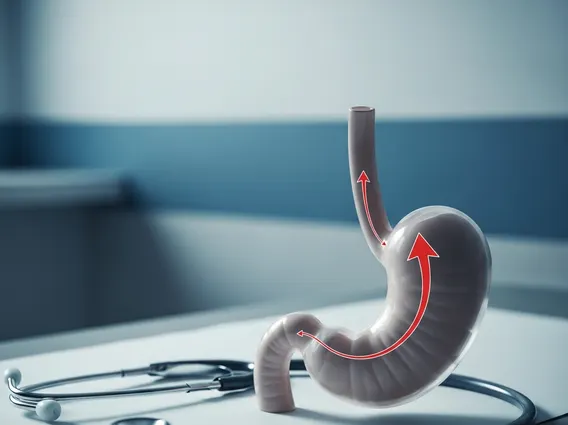
Gastric Reflux, often referred to as acid reflux, is a condition where stomach contents, including acid, flow back up into the esophagus. This backwash can irritate the lining of the esophagus, leading to a burning sensation in the chest, commonly known as heartburn. While occasional reflux is normal, frequent or severe episodes can indicate a more chronic condition called Gastroesophageal Reflux Disease (GERD).
The primary mechanism behind gastric reflux involves a weakened or relaxed lower esophageal sphincter (LES), a ring of muscle that normally acts as a valve between the esophagus and the stomach. When the LES doesn’t close properly, stomach acid can escape. According to the American College of Gastroenterology (ACG), Gastroesophageal Reflux Disease (GERD), a more severe and chronic form of gastric reflux, affects approximately 20% of the adult population in Western countries, highlighting its widespread prevalence.
Symptoms and Causes of Gastric Reflux
Understanding the gastric reflux symptoms causes is vital for diagnosis and management. The symptoms can vary in intensity and frequency, impacting daily life significantly. The most common symptom is heartburn, a burning pain or discomfort that may move up from the stomach to the abdomen and chest, and even into the throat.
Other common symptoms include:
- Regurgitation of food or sour liquid
- Difficulty swallowing (dysphagia)
- Chest pain (non-cardiac)
- Chronic cough or asthma-like symptoms
- Hoarseness or sore throat
- Feeling of a lump in the throat
The causes of gastric reflux are multifaceted and often involve a combination of factors. Dietary choices play a significant role, with certain foods and beverages known to trigger or worsen symptoms. Lifestyle factors such as obesity, smoking, and stress can also contribute. Physiologically, a hiatal hernia, where part of the stomach pushes up through the diaphragm, can weaken the LES and increase the likelihood of reflux. Pregnancy, certain medications, and delayed stomach emptying are additional factors that can predispose individuals to gastric reflux.
Treatment and Dietary Management for Gastric Reflux
To effectively address how to treat gastric reflux, a multi-pronged approach combining lifestyle modifications, dietary changes, and sometimes medication is often recommended. Lifestyle adjustments are foundational and include maintaining a healthy weight, avoiding large meals, not lying down immediately after eating, elevating the head of the bed, and quitting smoking. Over-the-counter antacids can provide temporary relief by neutralizing stomach acid, while H2 blockers reduce acid production. For more persistent symptoms, proton pump inhibitors (PPIs) are often prescribed to significantly decrease acid secretion, allowing the esophageal lining to heal.
Beyond medication, specific gastric reflux diet remedies are crucial for long-term management. Identifying and avoiding trigger foods is a key strategy. Common culprits include fatty foods, fried foods, spicy foods, citrus fruits, tomatoes, chocolate, peppermint, caffeine, and alcoholic beverages. Instead, a diet rich in fiber, lean proteins, and non-acidic fruits and vegetables can help. Eating smaller, more frequent meals can also prevent the stomach from becoming overly full, reducing pressure on the LES. Staying hydrated with water and herbal teas can also be beneficial. It is important to note that while dietary changes and lifestyle modifications are highly effective, they should complement, not replace, medical advice and prescribed treatments from a healthcare professional.