Fungating Lesion
A fungating lesion is a complex and challenging type of wound that arises from advanced malignancies, often presenting significant physical and psychological burdens for affected individuals. Understanding these lesions is crucial for effective management and improving patient quality of life.
Key Takeaways
- A fungating lesion is a visible manifestation of advanced cancer, where tumor cells infiltrate and destroy skin and underlying tissues.
- These lesions are characterized by their often ulcerative, proliferative, and malodorous nature, leading to various distressing symptoms.
- Common causes include advanced breast, head and neck, and lung cancers, among others.
- Treatment focuses primarily on palliative care, aiming to manage symptoms such as pain, bleeding, exudate, and odor.
- Effective wound care, including specialized dressings and hygiene, is essential for symptom control and enhancing patient comfort at home.
What is a Fungating Lesion?
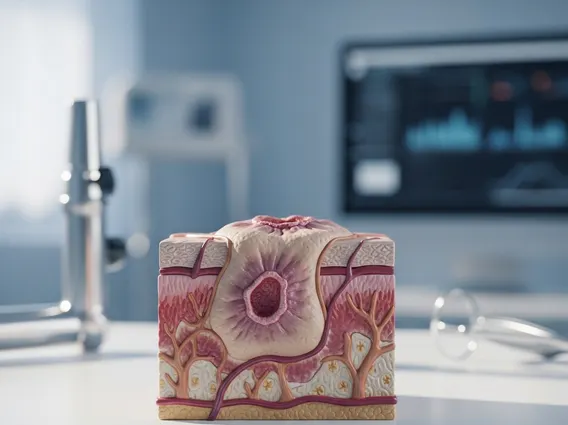
A Fungating Lesion refers to a type of wound that develops when a malignant tumor infiltrates and breaks through the skin or mucous membranes. These lesions are often associated with advanced stages of cancer and can present as an ulcerated, proliferative (fungus-like growth), or nodular mass. They are a visible and distressing sign of disease progression, impacting both physical health and psychological well-being. The term describes the characteristic appearance of the lesion, which can be exophytic (growing outwards) or endophytic (growing inwards), often with an irregular, cauliflower-like surface or deep ulceration.
While not all skin lesions are fungating, those that are tend to be persistent and challenging to manage due to their underlying cancerous nature. They are a significant concern in oncology, affecting an estimated 5-10% of patients with advanced cancer, with some studies suggesting prevalence rates as high as 15% in specific cancer types like breast cancer. (Source: World Health Organization (WHO) reports on palliative care in cancer).
Causes and Symptoms of Fungating Lesions
Fungating lesions are primarily caused by the direct invasion of cancer cells into the skin and surrounding tissues. This infiltration disrupts normal tissue structure, leading to ulceration, necrosis, and abnormal growth. Various types of advanced cancers can lead to their development, including:
- Breast cancer (most common primary site)
- Head and neck cancers
- Lung cancer
- Melanoma
- Gastrointestinal cancers (less common, but can metastasize to skin)
The symptoms associated with these lesions can be debilitating and significantly impact a patient’s quality of life. Common symptoms include:
| Symptom | Description |
|---|---|
| Pain | Often severe and persistent, due to nerve compression and tissue damage. |
| Bleeding | Can range from persistent oozing to sudden, profuse hemorrhages, caused by fragile blood vessels within the tumor. |
| Exudate | Significant fluid discharge, often serosanguinous (blood-tinged), leading to maceration of surrounding skin. |
| Odor | A pervasive, foul smell resulting from bacterial colonization and tissue necrosis, which can be socially isolating. |
| Itching (Pruritus) | Common and distressing, often related to inflammation and nerve irritation. |
| Body Image Disturbance | Visible lesions can cause significant psychological distress, anxiety, and depression. |
These symptoms often occur in combination, making comprehensive management essential for patient comfort and dignity.
Treating Fungating Lesions and Home Care
Treating fungating lesions primarily focuses on palliative care, aiming to manage symptoms, prevent complications, and improve the patient’s quality of life, as complete eradication of the lesion is often not feasible in advanced disease. Treatment strategies are individualized and may involve a multidisciplinary approach.
Medical interventions can include:
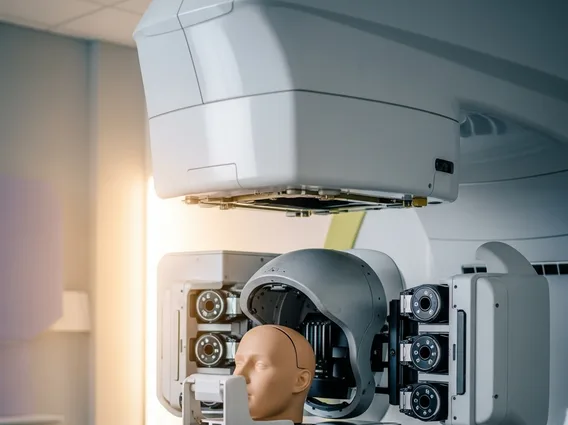
- Radiotherapy: Can help reduce tumor size, control bleeding, and alleviate pain.
- Chemotherapy: May be used systemically to shrink the tumor and manage the underlying cancer, potentially impacting the lesion.
- Surgery: Debulking surgery may be performed to remove necrotic tissue and reduce tumor burden, especially if it’s causing severe symptoms.
- Systemic Therapies: Targeted therapies or immunotherapies, depending on the cancer type, can also contribute to lesion management.
Effective fungating wound care at home is paramount for symptom control and patient comfort. This involves a combination of specialized dressings and hygiene practices tailored to the specific needs of the lesion:
- Exudate Management: Using highly absorbent dressings (e.g., foam, alginate, hydrofiber) to manage fluid discharge and protect surrounding skin from maceration.
- Odor Control: Employing charcoal dressings, topical metronidazole gel, or regular wound cleansing to minimize foul odors, which significantly impacts social interaction.
- Bleeding Control: Gentle handling, non-adherent dressings, and hemostatic agents (if prescribed) can help manage bleeding episodes.
- Pain Management: Topical analgesics and systemic pain medications are crucial, often requiring a stepped approach to achieve adequate relief.
- Infection Prevention: Regular cleansing with saline or antiseptic solutions, along with appropriate dressings, helps prevent secondary infections.
- Psychological Support: Addressing the emotional and social impact of the lesion through counseling and support groups is vital.
It is important for patients and caregivers to work closely with healthcare professionals to develop a comprehensive care plan. While some complementary therapies might offer supportive comfort, they should never replace conventional medical treatment for fungating lesions.