
Foods That Help Boost Immunity During Cancer Treatment
Navigating cancer treatment is a challenging journey, and maintaining a strong immune system is paramount for recovery and overall well-being. Proper nutrition plays a critical role in supporting the body’s defenses, helping patients better tolerate therapies and reduce the risk of infections.
Key Takeaways
- Prioritizing nutrient-dense foods to boost immune system cancer treatment is crucial for resilience during therapy.
- Focus on a diverse intake of antioxidant-rich fruits and vegetables, lean proteins, and healthy fats to provide essential building blocks for immune cells.
- Ensure adequate consumption of key vitamins (A, C, D, E) and minerals (zinc, selenium, iron) through whole foods or doctor-approved supplements.
- Adhere strictly to safe food handling practices to minimize infection risk, as the immune system is often compromised.
- Avoid raw or unpasteurized products, as well as sugary and highly processed foods, which can undermine immune health.
Boosting Immunity During Cancer Treatment
Cancer treatments such as chemotherapy, radiation, and surgery can significantly impact the immune system, leaving patients vulnerable to infections and complications. A weakened immune response can lead to delays in treatment, increased hospital stays, and a reduced quality of life. Therefore, understanding and implementing strategies for nutrition for cancer patients immune support becomes a cornerstone of comprehensive care.
Why Immune Health is Crucial
The immune system is the body’s defense mechanism against pathogens and abnormal cells. During cancer treatment, many therapies suppress bone marrow activity, leading to a decrease in white blood cells, which are vital for fighting infections. For instance, neutropenia, a common side effect of chemotherapy characterized by low neutrophil counts, significantly increases the risk of serious infections. A robust immune system not only helps ward off these infections but also supports tissue repair and overall recovery, making immune-boosting foods for chemotherapy a critical consideration.
Common Immune Challenges During Therapy
Patients undergoing cancer treatment often face various immune challenges beyond neutropenia. These can include mucositis (inflammation of the mucous membranes), which can make eating painful and lead to nutrient deficiencies, and fatigue, which can reduce the motivation to prepare healthy meals. Furthermore, the disease itself can induce systemic inflammation, further taxing the immune system. Addressing these challenges through targeted dietary interventions is key to maintaining immune function and improving treatment outcomes.
Key Cancer Immunity Foods for Patients
Incorporating specific cancer immunity foods into the daily diet can provide the essential nutrients needed to bolster the immune system. The goal is to create the best diet for cancer patients immune system by focusing on whole, unprocessed foods that offer a wide array of beneficial compounds.
Antioxidant-Rich Fruits and Vegetables
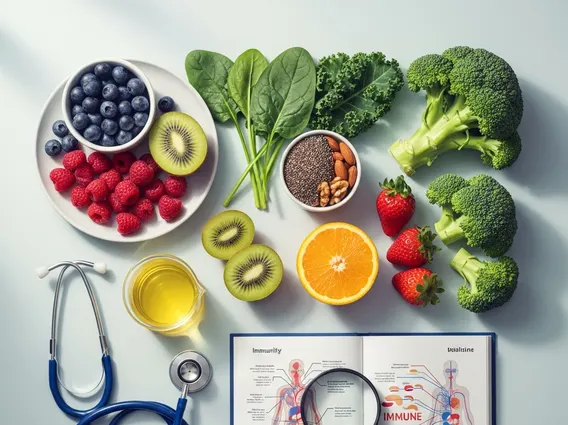
Fruits and vegetables are powerhouses of antioxidants, vitamins, and fiber, all crucial for immune health. Antioxidants help protect cells from damage caused by free radicals, which can be elevated during cancer and its treatments. Aim for a colorful variety to ensure a broad spectrum of nutrients.
- Berries: Strawberries, blueberries, raspberries, and blackberries are rich in vitamin C and anthocyanins.
- Leafy Greens: Spinach, kale, and collard greens provide vitamins A, C, E, and K, along with folate and iron.
- Cruciferous Vegetables: Broccoli, cauliflower, and Brussels sprouts contain sulforaphane, which supports detoxification pathways.
- Citrus Fruits: Oranges, grapefruits, and lemons are excellent sources of vitamin C, known for its immune-supporting properties.
- Bell Peppers: Red and yellow bell peppers offer more vitamin C than oranges and are also rich in beta-carotene.
Lean Proteins and Healthy Fats
Protein is fundamental for building and repairing tissues, including immune cells and antibodies. Healthy fats provide concentrated energy and aid in the absorption of fat-soluble vitamins, contributing to overall immune resilience.
- Lean Meats and Poultry: Chicken, turkey, and lean cuts of beef provide essential amino acids, iron, and zinc.
- Fish: Fatty fish like salmon, mackerel, and sardines are rich in omega-3 fatty acids, which have anti-inflammatory properties, and vitamin D.
- Eggs: A complete protein source, eggs also offer vitamins D and B12, and selenium.
- Legumes: Beans, lentils, and chickpeas are excellent plant-based protein sources, also providing fiber and various minerals.
- Nuts and Seeds: Almonds, walnuts, chia seeds, and flaxseeds offer healthy fats, protein, fiber, and minerals like zinc and selenium.
- Avocado and Olive Oil: These provide monounsaturated fats, which are beneficial for heart health and can help reduce inflammation.
Essential Nutrients for Immune Support
Beyond whole foods, understanding the specific roles of key vitamins and minerals can help patients focus on what to eat to strengthen immune system during cancer. These micronutrients are vital cofactors in numerous immune processes.
Vitamins A, C, D, and E
These fat-soluble and water-soluble vitamins play distinct yet interconnected roles in maintaining a robust immune system:
- Vitamin A: Crucial for the development and function of immune cells, including T-cells and B-cells, and maintains the integrity of mucosal barriers (e.g., in the gut and respiratory tract). Sources include carrots, sweet potatoes, spinach, and liver.
- Vitamin C: A powerful antioxidant that protects immune cells from oxidative damage and enhances the function of phagocytes (cells that engulf pathogens). It also supports collagen formation for healthy skin and tissues. Found in citrus fruits, bell peppers, and broccoli.
- Vitamin D: Known for its role in bone health, Vitamin D is also a potent immune modulator, influencing both innate and adaptive immune responses. Many individuals, including cancer patients, may have insufficient levels. Sources include fatty fish, fortified dairy products, and sunlight exposure (consult your doctor regarding safe sun exposure during treatment). According to the National Cancer Institute, vitamin D has shown promise in modulating immune responses and potentially affecting cancer progression.
- Vitamin E: Another strong antioxidant that protects cell membranes, including those of immune cells, from damage. It can be found in nuts, seeds, spinach, and avocado.
Minerals: Zinc, Selenium, and Iron
These trace minerals are indispensable for proper immune function:
- Zinc: Essential for the development and function of immune cells, particularly T-cells. Zinc deficiency can impair immune response. Good sources include lean meats, poultry, beans, nuts, and whole grains.
- Selenium: An antioxidant that supports the immune system by protecting cells from damage and enhancing the activity of natural killer cells. Brazil nuts, fish, and whole grains are rich in selenium.
- Iron: Necessary for oxygen transport and energy production, iron also plays a role in immune cell proliferation and maturation. However, excessive iron can be detrimental, so intake should be monitored. Lean red meat, fortified cereals, and leafy greens are good sources.
Practical Diet Tips for Immune Health
Beyond selecting the right healthy foods for immunity during cancer therapy, implementing practical strategies for food preparation, consumption, and hydration is vital for maximizing immune support and minimizing risks.
Safe Food Handling Practices
When the immune system is compromised, even common foodborne bacteria can pose a serious threat. Strict adherence to food safety guidelines is paramount:
- Wash Hands Thoroughly: Always wash hands with soap and water before and after handling food.
- Cook Foods to Safe Temperatures: Use a food thermometer to ensure meats, poultry, and eggs are cooked to their recommended internal temperatures.
- Avoid Cross-Contamination: Use separate cutting boards and utensils for raw meats and produce. Keep raw foods separate from cooked foods.
- Refrigerate Promptly: Perishable foods should be refrigerated within two hours.
- Wash Produce: Thoroughly wash all fresh fruits and vegetables under running water, even if they will be peeled.
Hydration and Meal Planning Strategies
Adequate hydration is crucial for overall health and helps the body’s systems, including the immune system, function optimally. Meal planning can also help ensure consistent nutrient intake.
- Stay Hydrated: Drink plenty of fluids throughout the day, such as water, clear broths, and diluted juices, unless otherwise advised by your medical team.
- Small, Frequent Meals: Instead of three large meals, opt for smaller, more frequent meals and snacks. This can help manage nausea, fatigue, and appetite changes, ensuring a steady supply of nutrients.
- Nutrient-Dense Snacks: Keep easily digestible, nutrient-rich snacks on hand, like yogurt, cottage cheese, fruit smoothies, or whole-grain crackers with nut butter.
- Plan Ahead: Prepare meals in advance when you have more energy, or ask for help from caregivers. This ensures you have nutritious options readily available.
Foods to Limit or Avoid During Treatment
Just as certain foods can boost immunity, others can pose risks or offer little nutritional value, potentially hindering recovery. Knowing which foods to limit or avoid is a key component of diet tips for cancer patients to improve immunity.
Raw Foods and Unpasteurized Products
Due to a weakened immune system, certain foods carry a higher risk of bacterial or parasitic contamination and should be avoided:
- Raw or Undercooked Meats, Poultry, and Seafood: This includes sushi, sashimi, raw oysters, and rare steaks.
- Raw Eggs: Avoid foods containing raw eggs, such as homemade mayonnaise, Caesar dressing, and certain desserts.
- Unpasteurized Dairy Products and Juices: These may contain harmful bacteria. Always choose pasteurized options.
- Raw Sprouts: Alfalfa, clover, radish, and mung bean sprouts can harbor bacteria and should be avoided.
- Unwashed Fruits and Vegetables: While fresh produce is encouraged, ensure it is thoroughly washed. Avoid produce with damaged skin.
Sugary and Highly Processed Items
Foods high in sugar and unhealthy fats offer minimal nutritional benefit and can contribute to inflammation, potentially weakening the immune response:
- Sugary Drinks and Sweets: Sodas, candies, pastries, and excessive amounts of added sugars can contribute to inflammation and provide empty calories.
- Highly Processed Foods: Fast food, packaged snacks, and processed meats often contain high levels of unhealthy fats, sodium, and artificial ingredients that offer little to no immune support.
- Excessive Saturated and Trans Fats: Found in fried foods, some baked goods, and fatty cuts of meat, these can promote inflammation.
Frequently Asked Questions
Can specific foods cure cancer or replace medical treatment?
No, specific foods cannot cure cancer or replace prescribed medical treatments like chemotherapy or radiation. The dietary recommendations discussed are intended to support the body’s immune system, help manage side effects, and improve overall well-being during treatment. Nutrition is a complementary strategy that works alongside conventional medical care to optimize health outcomes. Always consult your oncology team before making significant dietary changes or using supplements.
How can I manage appetite loss or nausea to eat immune-boosting foods?
Managing appetite loss and nausea is crucial for maintaining nutrition. Try eating small, frequent meals throughout the day instead of large ones. Focus on bland, easy-to-digest foods like toast, crackers, rice, or plain chicken. Avoid strong odors and greasy or spicy foods. Timing meals around medication schedules can also help, as can staying hydrated with sips of water or clear broths. Discuss persistent issues with your healthcare provider for personalized strategies.
Should I take dietary supplements for immune support during cancer treatment?
While a balanced diet is the best way to get essential nutrients, some patients may benefit from specific supplements, especially if they have deficiencies or increased needs due to treatment side effects. However, it is critical to consult your oncologist or a registered dietitian before taking any supplements. Some supplements can interact negatively with cancer treatments or have adverse effects, so professional guidance is essential to ensure safety and efficacy.
Disclaimer: The information provided in this article is for educational purposes only and is not intended to be a substitute for professional medical advice, diagnosis, or treatment. Always seek the advice of your physician or other qualified health provider with any questions you may have regarding a medical condition.



