Follicle
A follicle is a small, specialized sac-like structure found in various parts of the body, playing crucial roles in biological processes such as hair growth and reproduction. These essential units are fundamental to understanding human physiology.
Key Takeaways
- Follicles are small, specialized sacs vital for biological functions like hair growth and reproduction.
- They are found in different parts of the body, including the skin (hair follicles) and ovaries (ovarian follicles).
- Hair follicles are responsible for producing hair strands through a complex growth cycle.
- Ovarian follicles house and mature oocytes, preparing them for ovulation and potential fertilization.
- Understanding follicle development is key to comprehending dermatological health and reproductive biology.
What is a Follicle and Its Purpose?
A Follicle is a small, sac-like anatomical structure found in various tissues throughout the body, each serving distinct physiological functions. Essentially, it acts as a protective casing or a site of development for other structures. The primary purpose of follicles varies significantly depending on their location, but generally involves the growth, maturation, or secretion of specific cells or substances. For instance, in the skin, follicles are responsible for hair production, while in the ovaries, they are crucial for egg development. These structures are vital for maintaining normal bodily functions, from epidermal health to reproductive processes.
Different Types of Follicles in the Body
The human body contains several different types of follicles in the body, each specialized for particular roles. While the term “follicle” often brings to mind hair, these structures are diverse and critical across multiple organ systems.
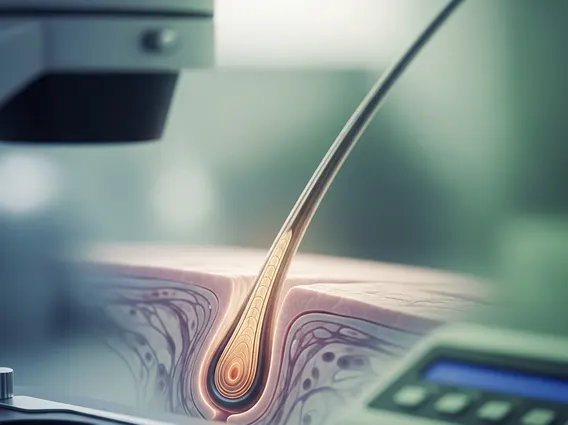
- Hair Follicles: Located in the dermis layer of the skin, these are responsible for producing hair. Each hair follicle is a complex mini-organ comprising various cell types that work together to grow a hair shaft.
- Ovarian Follicles: Found within the ovaries, these structures contain an immature egg cell (oocyte) and surrounding granulosa and theca cells. They are fundamental to female reproductive health, undergoing a complex maturation process leading to ovulation.
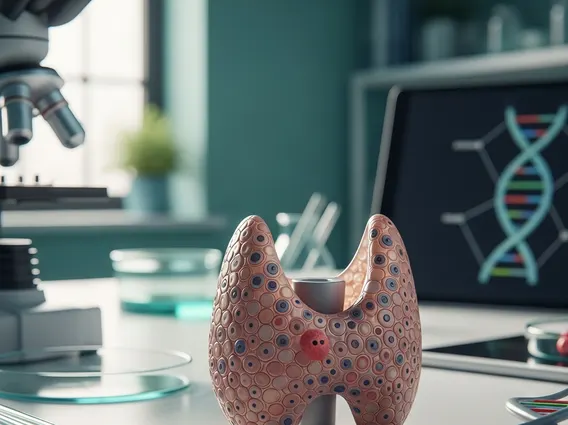
- Thyroid Follicles: These are the functional units of the thyroid gland. They are spherical structures lined with follicular cells that produce and store thyroid hormones, which are vital for metabolism.
Each type of follicle, despite its structural similarities as a sac-like entity, performs highly specialized functions essential for overall physiological balance.
Hair and Ovarian Follicle Development
Hair Follicle Anatomy and Growth Cycle
The Hair follicle anatomy and growth cycle is a dynamic process that dictates hair production and regeneration. A hair follicle is a complex structure extending from the epidermis into the dermis, composed of several distinct parts including the hair bulb, dermal papilla, sebaceous gland, and arrector pili muscle. The hair growth cycle consists of three main phases:
- Anagen (Growth Phase): This is the active growth period, lasting from two to seven years, during which hair cells rapidly divide and hair lengthens.
- Catagen (Transition Phase): A short transitional phase, lasting about two to three weeks, where hair growth stops, and the follicle shrinks.
- Telogen (Resting Phase): This phase lasts around three months, during which the old hair sheds, and the follicle rests before the cycle restarts with a new anagen phase.
Disruptions in this cycle can lead to various hair conditions, including hair loss or excessive growth, highlighting the importance of understanding this intricate biological process.
Ovarian Follicle Development Stages
The Ovarian follicle development stages are crucial for female fertility, involving the maturation of an oocyte within its surrounding follicular cells. This intricate process begins with primordial follicles, which are present at birth and remain dormant until puberty. Under hormonal stimulation, particularly Follicle-Stimulating Hormone (FSH), these follicles progress through several stages:
- Primordial Follicle: An immature oocyte surrounded by a single layer of flattened granulosa cells.
- Primary Follicle: The oocyte grows, and the granulosa cells become cuboidal and proliferate.
- Secondary Follicle: Multiple layers of granulosa cells form, and a fluid-filled cavity, the antrum, begins to appear.
- Tertiary (Antral) Follicle: The antrum significantly expands, and the follicle becomes larger and more prominent.
- Graafian (Preovulatory) Follicle: This is the mature follicle, ready to rupture and release the oocyte during ovulation.
Only one dominant follicle typically reaches the Graafian stage in each menstrual cycle, while others undergo atresia (degeneration). This carefully orchestrated development ensures the release of a viable egg for potential fertilization.