Fluoropyrimidine
Fluoropyrimidine is a class of chemotherapy drugs widely used in the treatment of various cancers. These agents are crucial in oncology due to their ability to interfere with cancer cell growth and division.

Key Takeaways
- Fluoropyrimidines are a class of antimetabolite chemotherapy drugs used to treat various cancers.
- They primarily work by disrupting DNA and RNA synthesis in rapidly dividing cancer cells.
- Common uses include the treatment of colorectal, breast, gastric, and head and neck cancers.
- Side effects can range from gastrointestinal issues and myelosuppression to hand-foot syndrome.
- Careful monitoring and management of side effects are essential throughout the treatment period.
What is Fluoropyrimidine?
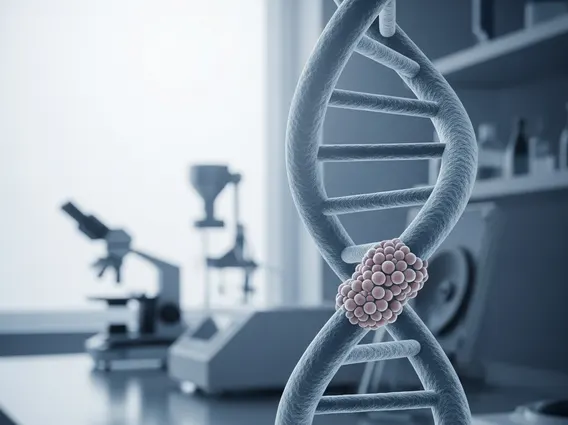
Fluoropyrimidine refers to a class of antimetabolite chemotherapy drugs that are structural analogs of naturally occurring pyrimidines, which are essential components of DNA and RNA. These drugs are designed to interfere with the synthesis of genetic material, thereby inhibiting the proliferation of rapidly dividing cells, a hallmark of cancer. The fluoropyrimidine definition and uses highlight their foundational role in systemic cancer therapy, particularly for solid tumors. Common examples include 5-fluorouracil (5-FU), capecitabine, and tegafur. These agents are administered in various forms, such as intravenous infusion for 5-FU and oral tablets for capecitabine, offering flexibility in clinical application. Their efficacy stems from their ability to mimic natural building blocks, thereby disrupting critical cellular processes.
Mechanism of Action: How Fluoropyrimidines Work
The fluoropyrimidine mechanism of action primarily involves disrupting nucleic acid synthesis within cancer cells. Once administered, fluoropyrimidines are converted into active metabolites that interfere with several key enzymatic processes essential for cell growth and division. One major pathway involves inhibiting thymidylate synthase, an enzyme critical for DNA synthesis and repair. By blocking this enzyme, fluoropyrimidines deplete the cell’s supply of thymidine, a necessary building block for DNA, leading to DNA damage and ultimately cell death. Additionally, fluoropyrimidine metabolites can be erroneously incorporated into both DNA and RNA, leading to dysfunctional nucleic acids that impair cellular function, protein synthesis, and overall cellular integrity. This multifaceted interference makes them potent cytotoxic agents against rapidly proliferating cancer cells, while also impacting healthy cells to a lesser extent.
Fluoropyrimidine Uses in Cancer Treatment and Side Effects
Fluoropyrimidines are cornerstone agents in the fluoropyrimidine cancer treatment info landscape, widely used for a broad spectrum of malignancies. Their application extends to various solid tumors, often forming the backbone of chemotherapy regimens. They are particularly effective in the treatment of:
- Colorectal cancer, both in adjuvant settings and for metastatic disease.
- Breast cancer, frequently as part of combination therapies.
- Gastric cancer, often in advanced stages.
- Pancreatic cancer, to help control disease progression.
- Head and neck cancers, sometimes concurrently with radiation.
These drugs can be used alone or in combination with other chemotherapies, targeted therapies, or radiation therapy, depending on the specific cancer type, stage, and patient characteristics. The selection of a particular fluoropyrimidine and its administration schedule is meticulously tailored by oncologists to maximize therapeutic efficacy while carefully managing potential adverse effects.
Despite their significant therapeutic benefits, common fluoropyrimidine side effects can occur due to their impact on healthy, rapidly dividing cells in the body. These side effects often include:
- Gastrointestinal issues: Nausea, vomiting, diarrhea, and mucositis (inflammation of the mucous membranes in the mouth and digestive tract) are frequently observed.
- Myelosuppression: A decrease in blood cell production, potentially leading to anemia (low red blood cells), neutropenia (low white blood cell count, increasing infection risk), and thrombocytopenia (low platelet count, increasing bleeding risk).
- Hand-foot syndrome (palmar-plantar erythrodysesthesia): Characterized by redness, swelling, pain, and blistering on the palms of the hands and soles of the feet, which can significantly impact daily activities.
- Fatigue: Persistent tiredness and lack of energy, often a pervasive side effect of cancer treatment.
- Dermatological reactions: Various skin rashes or dryness can occur.
Close monitoring by healthcare professionals is crucial to identify and manage these side effects promptly. This often involves dose adjustments, supportive care medications, and patient education to help maintain quality of life throughout the treatment period.