Fluorine F 18 Feqa
Fluorine F 18 Feqa is an advanced radiopharmaceutical utilized in positron emission tomography (PET) imaging, offering a non-invasive method to visualize specific biological processes within the body. This article explores its composition, clinical utility, and the ongoing research driving its development.

Key Takeaways
- Fluorine F 18 Feqa is a PET radiotracer designed for medical imaging, particularly in oncology.
- It helps clinicians visualize and assess specific biological targets, aiding in diagnosis and treatment planning.
- F-18 Feqa PET scans are crucial for evaluating tumor characteristics and treatment response.
- Ongoing fluorine f 18 feqa research aims to expand its applications and improve diagnostic accuracy.
What is Fluorine F 18 Feqa?
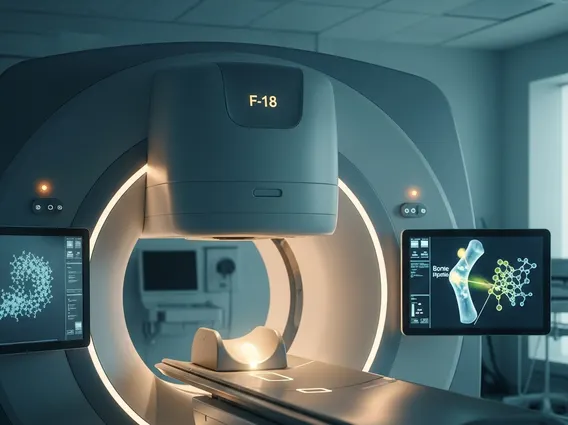
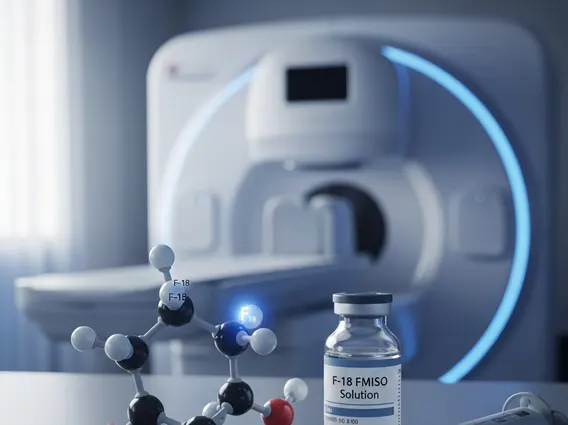
Fluorine F 18 Feqa refers to a sophisticated radiotracer developed for use in positron emission tomography (PET) imaging. It incorporates the radionuclide fluorine-18, which is a positron-emitting isotope with a relatively short half-life, making it suitable for medical diagnostic procedures. This radiotracer is designed to selectively bind to specific molecular targets within the body, allowing for the visualization and quantification of various physiological and pathological processes.
The mechanism of Fluorine F 18 Feqa involves its administration to a patient, after which it travels through the bloodstream and accumulates in areas where its target molecules are present. The fluorine-18 isotope then undergoes radioactive decay, emitting positrons. These positrons interact with electrons in the surrounding tissue, producing gamma rays that are detected by the PET scanner. The scanner reconstructs these signals into detailed images, providing clinicians with insights into cellular function and disease progression, particularly in cancer detection and characterization.
Clinical Applications of F-18 Feqa PET Scans
The primary fluorine 18 feqa uses are centered around its diagnostic capabilities in medical imaging, especially within oncology. An f-18 feqa pet scan allows for the non-invasive assessment of specific tumor characteristics, which can be vital for accurate diagnosis, staging of disease, and monitoring treatment efficacy. By targeting particular receptors or metabolic pathways often overexpressed in cancer cells, F-18 Feqa offers a molecular-level view that complements traditional anatomical imaging.
Specific clinical applications where F-18 Feqa PET scans are being explored or utilized include:
- Tumor Characterization: Identifying the presence and extent of certain cancers by binding to specific receptors or enzymes.
- Disease Staging: Determining if cancer has spread to other parts of the body, which is critical for treatment planning.
- Treatment Response Assessment: Evaluating how well a patient is responding to therapy by observing changes in tracer uptake over time.
- Recurrence Detection: Identifying potential cancer recurrence earlier than other imaging modalities.
The information gleaned from these scans can significantly impact patient management, guiding oncologists in making informed decisions about surgery, radiation therapy, or systemic treatments. The ability to visualize molecular targets provides a functional assessment that can precede anatomical changes, offering an earlier and more precise understanding of disease status.
Current Research and Future Directions for F-18 Feqa
Ongoing fluorine f 18 feqa research is continuously expanding our understanding of this radiotracer’s potential and refining its applications. Scientists and clinicians are exploring its utility in a broader range of diseases beyond its established uses, investigating new molecular targets, and optimizing imaging protocols to enhance diagnostic accuracy and patient outcomes. This research often involves preclinical studies, clinical trials, and comparative analyses with existing imaging agents.
Future directions for F-18 Feqa include the development of personalized medicine approaches, where the radiotracer could help select patients most likely to respond to specific targeted therapies. Furthermore, efforts are underway to improve the quantification of tracer uptake, allowing for more precise measurements of disease activity and treatment response. The integration of F-18 Feqa PET imaging with other modalities, such as MRI or CT, is also a key area of research, aiming to provide a more comprehensive picture of both anatomical and functional information. As research progresses, F-18 Feqa is poised to play an increasingly significant role in advanced medical diagnostics.