Fibroglandular Breast Tissue
Fibroglandular breast tissue is a fundamental component of the human breast, playing a crucial role in its structure and function. Understanding its composition and characteristics is essential for comprehending breast health, particularly in the context of mammography and breast cancer risk assessment.
Key Takeaways
- Fibroglandular Breast Tissue is composed of glandular tissue, milk ducts, and fibrous connective tissue, responsible for milk production and structural support.
- Dense fibroglandular breast tissue has a higher proportion of glandular and fibrous tissue compared to fatty tissue, making mammograms harder to interpret.
- Breast density is categorized using the ACR BI-RADS system, with categories C and D indicating dense breasts.
- Women with dense breasts have an increased risk of breast cancer and may require supplemental screening beyond mammography.
- Regular screening and understanding one’s breast density are vital for early detection and personalized breast health management.
What is Fibroglandular Breast Tissue?
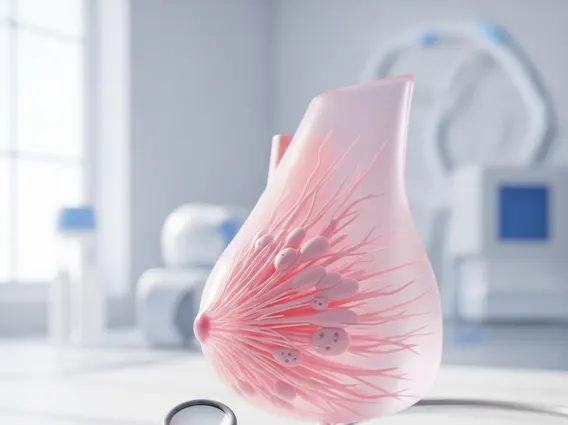
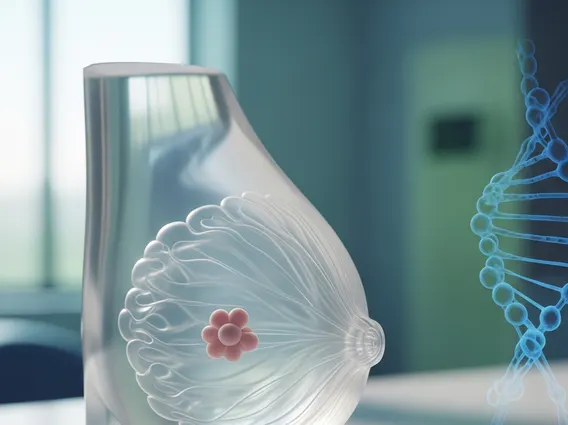
Fibroglandular Breast Tissue refers to the functional and supportive components of the breast. It is primarily composed of two types of tissue: glandular tissue, which includes the lobules that produce milk and the ducts that transport it; and fibrous connective tissue, which provides structural support and shape to the breast. The remaining breast volume is typically made up of fatty tissue. The proportion of these components varies significantly among individuals, influencing breast density.
The fibroglandular breast tissue meaning is deeply rooted in its physiological role. It is the active part of the breast, responsible for lactation during pregnancy and breastfeeding. Its presence is normal and healthy, but its density can have implications for breast cancer screening. Younger women and those undergoing hormone replacement therapy often have a higher proportion of fibroglandular tissue compared to fatty tissue.
Understanding Dense Fibroglandular Breast Tissue
Dense fibroglandular breast tissue is a term used to describe breasts that have a higher proportion of glandular and fibrous tissue relative to fatty tissue. This characteristic is determined by a radiologist during mammography and is categorized using the American College of Radiology (ACR) Breast Imaging Reporting and Data System (BI-RADS). Breast density is not related to breast size or firmness, but rather to the internal composition.
The ACR BI-RADS system classifies breast density into four categories:
- Category A: Almost entirely fatty – Breasts are almost entirely composed of fat.
- Category B: Scattered fibroglandular density – There are scattered areas of fibroglandular tissue, but most of the breast is fatty.
- Category C: Heterogeneously dense – The breasts are heterogeneously dense, which may obscure small masses.
- Category D: Extremely dense – The breasts are extremely dense, which lowers the sensitivity of mammography.
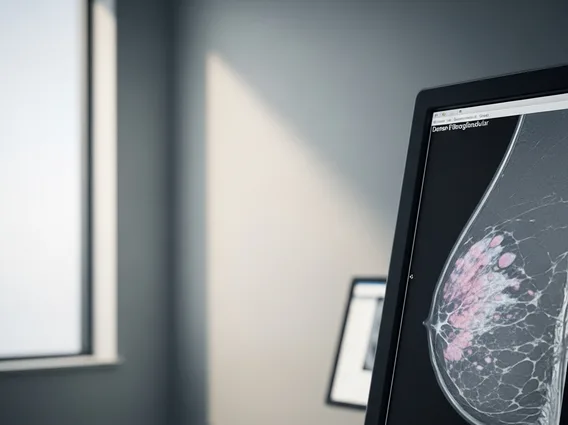
Categories C and D are considered “dense breasts.” Dense tissue appears white on a mammogram, similar to how tumors appear white. This can make it challenging for radiologists to detect small cancers, as they can be “masked” by the dense tissue, reducing the effectiveness of mammography as a standalone screening tool for some women.
Fibroglandular Tissue and Breast Cancer Risk
The presence of dense fibroglandular tissue is recognized as an independent risk factor for breast cancer. The link between fibroglandular tissue and cancer risk is twofold. Firstly, dense breasts contain more glandular and stromal cells, which are the cells that can become cancerous. A higher number of these cells inherently increases the potential for abnormal cell growth. Secondly, as mentioned, dense tissue can obscure tumors on mammograms, leading to delayed detection.
Studies have shown that women with extremely dense breasts (Category D) have a 4 to 5 times higher risk of developing breast cancer compared to women with fatty breasts (Category A). For instance, the National Cancer Institute highlights that women with very dense breasts have a significantly elevated risk. Due to this increased risk and the masking effect, supplemental screening methods are often recommended for women with dense breasts. These may include breast ultrasound or magnetic resonance imaging (MRI), which can detect cancers that might be missed by mammography in dense tissue. Discussing breast density with a healthcare provider is crucial for personalized screening recommendations.