Fibrocystic Breasts
Fibrocystic Breasts refer to a common, non-cancerous condition characterized by lumpiness, tenderness, and pain in one or both breasts. This benign condition is influenced by hormonal fluctuations and affects many women at some point in their lives.
Key Takeaways
- Fibrocystic Breasts are a benign (non-cancerous) condition, not a disease.
- Symptoms often include breast pain, tenderness, and the presence of lumps or areas of thickening.
- These changes are primarily linked to normal hormonal fluctuations, especially estrogen.
- Symptoms frequently worsen before menstruation and improve afterward.
- Management focuses on relieving discomfort through lifestyle adjustments, pain relievers, and supportive measures.
What Are Fibrocystic Breasts?
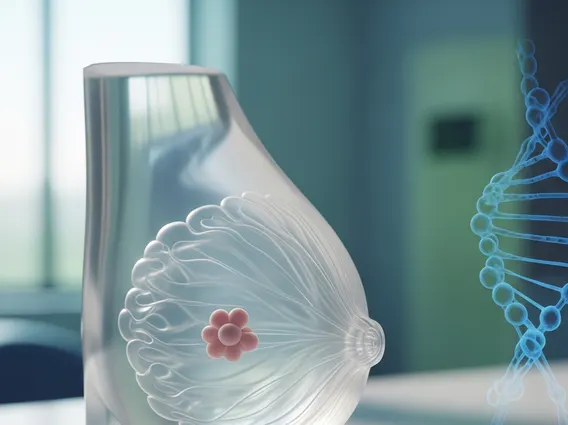
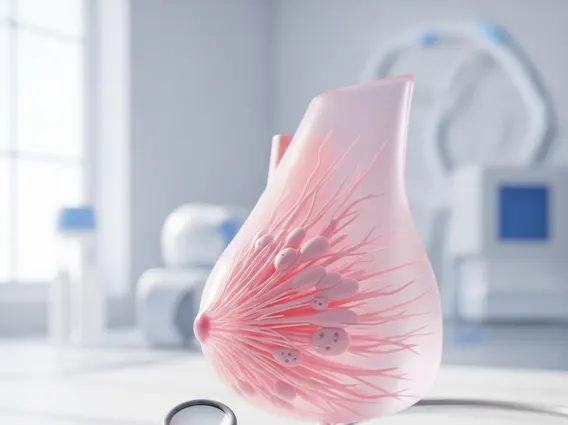
Fibrocystic Breasts is a term used to describe common, benign changes that occur in breast tissue. It is not a disease but rather a condition characterized by the development of fibrous tissue and fluid-filled cysts, which can make the breasts feel lumpy, dense, tender, or painful. These changes are a normal physiological response to hormonal fluctuations, particularly those related to the menstrual cycle.
Many women experience fibrocystic changes, with some sources indicating that more than half of all women will encounter them at some point in their lives. According to the American College of Obstetricians and Gynecologists (ACOG), these changes are very common and typically do not increase the risk of breast cancer. Understanding this condition can help alleviate anxiety and guide appropriate management strategies.
Symptoms and Causes of Fibrocystic Breast Changes
The presentation of fibrocystic changes can vary significantly among individuals. Common fibrocystic breast symptoms often include:
- Breast pain or tenderness: This can range from a dull ache to sharp pain, often affecting both breasts, but sometimes only one. The pain typically intensifies in the days leading up to menstruation.
- Lumpiness or thickening: Areas of fibrous tissue or cysts can be felt as distinct lumps or general areas of thickening. These may feel rubbery or firm and can vary in size throughout the menstrual cycle.
- Cysts: Fluid-filled sacs that can be soft or firm to the touch. They may increase in size and tenderness before a period.
- Nipple discharge: Rarely, a clear or cloudy nipple discharge may occur, though this warrants medical evaluation to rule out other causes.
The primary causes of fibrocystic breast changes are closely tied to hormonal fluctuations within the body, particularly estrogen. Estrogen stimulates breast tissue, and variations in its levels throughout the menstrual cycle can lead to the growth of glandular tissue, the formation of cysts, and the development of fibrous tissue. Other hormones, such as progesterone and prolactin, may also play a role. While the exact mechanism is complex, the cyclical nature of symptoms strongly suggests a hormonal influence. Factors like diet, caffeine intake, and stress have been explored, but their direct causal link remains less clear compared to hormonal factors.
Managing Fibrocystic Breast Pain
Learning how to manage fibrocystic breast pain often involves a combination of lifestyle adjustments, over-the-counter remedies, and, in some cases, medical interventions. The goal is to alleviate discomfort and improve quality of life. Here are several strategies:
- Supportive Bras: Wearing a well-fitting, supportive bra, especially during exercise or sleep, can significantly reduce breast movement and associated pain.
- Pain Relievers: Over-the-counter pain medications such as ibuprofen, naproxen, or acetaminophen can help manage pain and inflammation.
- Warm or Cold Compresses: Applying a warm compress or an ice pack to the affected area may provide temporary relief from tenderness and swelling.
- Dietary Adjustments: Some women report reduced symptoms by limiting caffeine, reducing dietary fat, and increasing fiber intake, although scientific evidence for these links is mixed.
- Vitamin Supplements: Certain supplements, like vitamin E or evening primrose oil, have been anecdotally reported to help some women, but their effectiveness is not universally proven and should be discussed with a healthcare provider.
- Hormonal Therapies: For severe cases, a doctor might consider hormonal therapies, such as oral contraceptives, to regulate hormone levels, though this is less common and typically reserved for persistent, debilitating pain.
It is crucial for individuals experiencing breast changes or pain to consult a healthcare professional. While fibrocystic changes are benign, any new or concerning breast lump should always be evaluated by a doctor to rule out more serious conditions. Regular breast self-exams, clinical breast exams, and mammograms (as recommended by age and risk factors) remain essential components of breast health monitoring.