Fibrin
Fibrin is a crucial protein that plays a central role in the body’s natural process of stopping bleeding. Understanding its function is essential for comprehending how wounds heal and how the circulatory system maintains its integrity.

Key Takeaways
- Fibrin is an insoluble protein formed from fibrinogen during blood coagulation.
- Its primary role is to form a stable meshwork that traps blood cells and seals damaged blood vessels.
- This meshwork is the structural basis of a blood clot, preventing excessive blood loss.
- The conversion of fibrinogen to fibrin is catalyzed by the enzyme thrombin.
- Dysregulation of fibrin formation can lead to bleeding disorders or thrombotic conditions.
What is Fibrin?
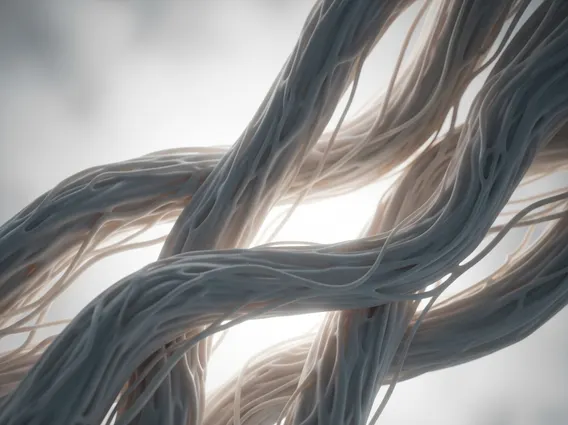
Fibrin refers to an insoluble protein that is fundamental to the process of blood clotting, also known as coagulation. It is formed from its precursor, fibrinogen, a soluble plasma protein primarily produced by the liver. In its inactive form, fibrinogen circulates freely in the bloodstream. When a blood vessel is injured, a complex cascade of biochemical reactions is initiated, ultimately leading to the conversion of fibrinogen into active fibrin monomers. These monomers then spontaneously polymerize, or link together, to form long, robust, and insoluble strands. The fibrin definition and role highlight its critical significance as the primary structural component of a blood clot, providing the necessary framework to seal off damaged vessels and prevent further blood loss. This intricate process is vital for maintaining hemostasis, the body’s natural mechanism to stop bleeding and promote wound healing.
Fibrin’s Role in Blood Clotting
The fibrin function in blood clotting is to create a stable, robust mesh that effectively traps blood cells, particularly red blood cells and platelets, forming a solid plug at the site of injury. This intricate process effectively seals the wound and prevents excessive bleeding. The mechanism of how does fibrin work involves a series of precisely coordinated steps within the coagulation cascade.
Here’s a simplified overview of its formation and action:
- Vessel Injury: Damage to a blood vessel exposes collagen and tissue factor, initiating the clotting process.
- Platelet Activation: Platelets rapidly adhere to the injury site and become activated, forming a primary, temporary plug.
- Thrombin Generation: The activated coagulation cascade culminates in the production of thrombin, a key enzyme.
- Fibrinogen to Fibrin Conversion: Thrombin specifically cleaves soluble fibrinogen molecules, transforming them into insoluble fibrin monomers.
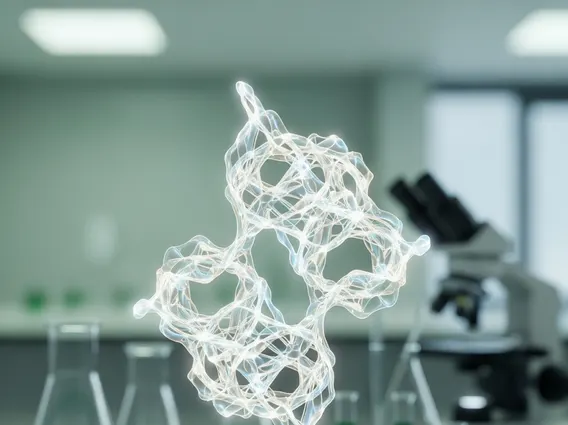
- Fibrin Polymerization: These fibrin monomers spontaneously self-assemble into long, interconnected strands, forming a dense, mesh-like network.
- Clot Stabilization: Another enzyme, Factor XIIIa, which is also activated by thrombin, then cross-links these fibrin strands. This cross-linking significantly strengthens the fibrin mesh, making the blood clot more stable, durable, and resistant to enzymatic degradation, ensuring effective hemostasis.
This stable fibrin meshwork provides the structural integrity of the blood clot, effectively stopping blood flow from the damaged vessel. Without adequate fibrin formation, even minor injuries could lead to severe or prolonged bleeding. Conversely, dysregulation leading to excessive or inappropriate fibrin formation can result in dangerous blood clots (thrombosis) that can obstruct blood flow to vital organs. For instance, venous thromboembolism (VTE), which includes deep vein thrombosis and pulmonary embolism, affects an estimated 900,000 people in the United States each year, leading to approximately 100,000 deaths, according to the Centers for Disease Control and Prevention (CDC). This statistic underscores the delicate balance required in fibrin regulation for overall health.