Fast Neutron Beam Radiation
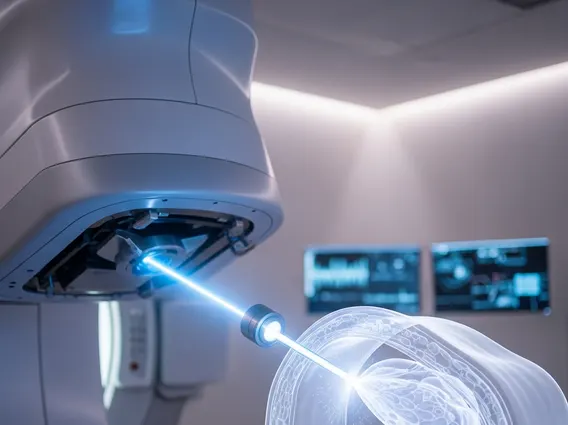
Fast Neutron Beam Radiation is a highly specialized form of external beam radiation therapy used in oncology to treat certain types of cancer. It employs high-energy neutrons to target and destroy cancer cells, particularly those that may be resistant to conventional photon radiation.
Key Takeaways
- Fast Neutron Beam Radiation is a specialized radiation therapy using high-energy neutrons.
- It is particularly effective against certain radioresistant tumors, such as specific head and neck cancers and salivary gland tumors.
- The treatment works by causing significant damage to cancer cell DNA, which is less dependent on oxygen levels.
- Patients may experience both acute and long-term side effects, which are carefully managed by a multidisciplinary medical team.
What is Fast Neutron Beam Radiation?
Fast Neutron Beam Radiation refers to a distinct type of external beam radiation therapy that utilizes a beam of high-energy neutrons to treat malignant tumors. Unlike conventional radiation therapies, which primarily use photons (X-rays or gamma rays), fast neutron therapy employs neutrons generated by a cyclotron or other particle accelerator. These neutrons interact with the atomic nuclei within tissues, producing secondary charged particles that deposit a high amount of energy in a very localized area.
The mechanism of action for fast neutron radiation differs significantly from photon radiation. When high-energy neutrons interact with the hydrogen atoms abundant in biological tissues, they produce protons. These protons, along with other heavier charged particles, cause dense ionization events within the cancer cells. This high linear energy transfer (LET) radiation is particularly effective at causing complex and irreparable damage to the DNA of cancer cells, making it a powerful tool against tumors that are typically resistant to photon-based treatments. This resistance often stems from factors like hypoxia (low oxygen levels) within the tumor, which renders photon radiation less effective, whereas fast neutrons are less dependent on oxygen for their cytotoxic effects.
Benefits of Fast Neutron Therapy
The primary advantage and a key aspect of fast neutron therapy benefits lie in its ability to effectively treat certain types of radioresistant cancers. These are tumors that do not respond well to standard photon radiation, often due to their biological characteristics, such as slow growth rates, specific cellular repair mechanisms, or hypoxic environments. Fast neutron therapy is particularly considered for:
- Advanced salivary gland tumors (e.g., adenoid cystic carcinoma)
- Certain head and neck cancers, especially those with extensive local invasion
- Some soft tissue sarcomas
- Specific prostate cancers
- Unresectable or recurrent tumors in certain anatomical sites
The high LET of fast neutrons means they can overcome some of the biological barriers that limit the effectiveness of photon therapy. This results in a greater cell-killing effect per unit dose, potentially leading to better local control rates for these challenging malignancies. The treatment is typically delivered over several weeks, with the exact number of fractions and total dose tailored to the individual patient’s cancer type, stage, and overall health, based on extensive clinical evaluation.
Potential Side Effects of Fast Neutron Beam Radiation
While highly effective for specific cancers, fast neutron beam radiation side effects are an important consideration, as with any potent cancer treatment. The nature and severity of side effects can vary widely depending on the treated area, the total dose, and individual patient factors. Side effects can be broadly categorized into acute (occurring during or shortly after treatment) and late (appearing months or years after treatment).
Common acute side effects may include skin reactions (redness, dryness, peeling) in the treated area, fatigue, and inflammation of mucous membranes (mucositis), especially in head and neck treatments, which can lead to difficulty swallowing or speaking. Late side effects can be more severe and may include tissue fibrosis, nerve damage, or damage to nearby organs. For instance, treatment near the brain or spinal cord carries risks of neurological complications, while treatment in the abdominal area could affect bowel function. Due to the high biological effectiveness of neutrons, careful treatment planning and precise delivery are crucial to minimize damage to healthy tissues. Patients undergoing fast neutron therapy are closely monitored by a multidisciplinary team of oncologists, radiation therapists, and supportive care specialists to manage these potential side effects and optimize their quality of life throughout and after treatment.