Extremity
In medical and anatomical contexts, an extremity refers to a limb of the body. These vital structures extend from the torso, playing crucial roles in movement, interaction with the environment, and overall bodily function.
Key Takeaways
- An extremity is a limb of the human body, specifically referring to the arms and legs.
- They are broadly categorized into upper extremities and lower extremities.
- Upper extremities include the shoulder girdle, arm, forearm, and hand, primarily used for manipulation and fine motor skills.
- Lower extremities consist of the pelvic girdle, thigh, leg, and foot, essential for locomotion and weight-bearing.
- Understanding extremities is fundamental in fields like orthopedics, physical therapy, and emergency medicine.
What is an Extremity: Medical Definition and Examples
An extremity definition medical refers to a limb or appendage of the body. In human anatomy, this term specifically denotes the upper and lower limbs that extend from the trunk. These structures are complex, comprising bones, muscles, nerves, blood vessels, and connective tissues, all working in concert to facilitate a wide range of functions. The concept of an extremity is fundamental to understanding human movement, injury, and disease.
The extremity meaning and examples highlight their significance in daily life. For instance, the upper extremities allow for intricate tasks such as writing, eating, and lifting, while the lower extremities are indispensable for mobility, balance, and supporting the body’s weight. Medically, conditions affecting an extremity can range from simple fractures and sprains to complex neurological disorders or vascular diseases, often requiring specialized diagnostic and therapeutic approaches. Understanding what constitutes an extremity in anatomy is crucial for diagnosis and treatment across various medical disciplines.
Types of Human Extremities
Human extremities are primarily categorized into two main types, each with distinct anatomical components and functional roles. These divisions allow for specialized movements and capabilities, contributing to the overall adaptability and survival of the species. The coordinated function of these limbs is essential for performing everyday activities, from basic self-care to complex athletic endeavors.
The two principal types of human extremities are:
- Upper Extremities: These include the structures from the shoulder to the fingertips. Each upper extremity is composed of the shoulder girdle (scapula and clavicle), the arm (humerus), the forearm (radius and ulna), and the hand (carpals, metacarpals, and phalanges). Their primary functions involve manipulation, reaching, grasping, and fine motor control, enabling tasks such as writing, tool use, and carrying objects.
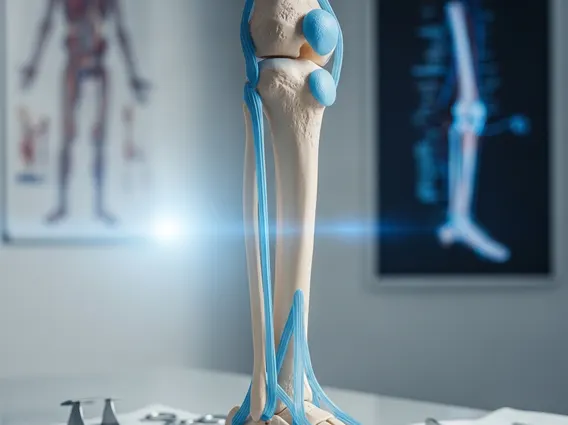
- Lower Extremities: These encompass the structures from the hip to the toes. Each lower extremity consists of the pelvic girdle (ilium, ischium, and pubis), the thigh (femur), the leg (tibia and fibula), and the foot (tarsals, metatarsals, and phalanges). The main roles of the lower extremities are locomotion, weight-bearing, maintaining balance, and propelling the body forward during walking or running.
Both types of extremities are highly innervated and vascularized, ensuring rapid communication with the central nervous system and adequate blood supply to support their demanding functions. Injuries or conditions affecting any part of an extremity can significantly impair a person’s quality of life and independence, underscoring the importance of these anatomical structures.