Extracranial
Extracranial is a medical term used to describe structures or processes located outside the cranium, or skull. Understanding this distinction is crucial in various medical fields, particularly in neurology and oncology, for accurate diagnosis and treatment planning.
Key Takeaways
- Extracranial refers to anything situated outside the skull.
- It contrasts with intracranial, which denotes structures or conditions within the skull.
- Various medical conditions can manifest in the extracranial region, affecting tissues like the scalp, face, and neck.
- Differentiating between extracranial and intracranial issues is fundamental for appropriate medical intervention.
What is Extracranial?
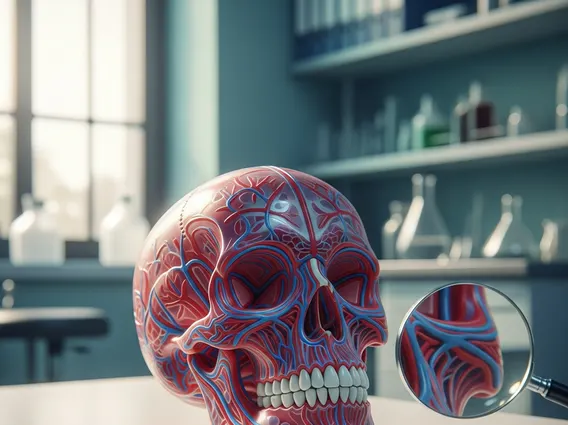
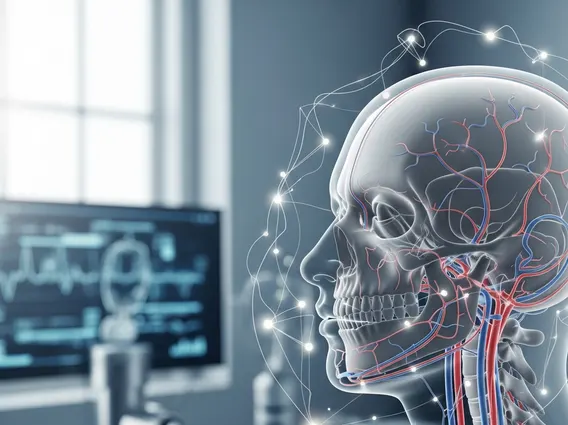
The term Extracranial refers to anything located or occurring outside the cranium, which is the bony part of the skull enclosing the brain. This extracranial medical definition encompasses all tissues and structures that are external to the skull vault, including the scalp, face, neck, and the vessels and nerves that supply these areas. Understanding what Extracranial means is fundamental in medicine, as it helps delineate the anatomical scope of a condition, guiding diagnostic imaging and therapeutic approaches. For instance, a tumor might be classified as extracranial if it originates in the soft tissues of the head or neck, rather than within the brain itself.
Extracranial vs. Intracranial: Key Differences
The distinction between extracranial and intracranial is pivotal in medical diagnosis and treatment, as it dictates the type of specialists involved, the diagnostic tools used, and the surgical approaches considered. Here are the extracranial vs intracranial differences:
| Feature | Extracranial | Intracranial |
|---|---|---|
| Location | Outside the skull (e.g., scalp, face, neck, salivary glands, superficial blood vessels) | Inside the skull (e.g., brain, brainstem, cerebellum, cranial nerves, cerebral blood vessels, cerebrospinal fluid spaces) |
| Anatomical Scope | Involves tissues and structures external to the bony cranium. | Involves the central nervous system and its immediate surroundings within the cranium. |
| Common Conditions | Scalp lesions, facial tumors, neck masses, carotid artery disease, temporal arteritis. | Brain tumors, strokes, aneurysms, meningitis, intracranial hemorrhage, hydrocephalus. |
| Diagnostic Focus | Often relies on physical examination, ultrasound, CT/MRI of the head/neck, biopsy of superficial lesions. | Primarily uses advanced neuroimaging (CT, MRI, MRA, MRV) and neurological examination. |
| Clinical Impact | Symptoms often localized to the head/neck region, potentially affecting vision, hearing, or swallowing. | Symptoms often involve neurological deficits (e.g., paralysis, speech difficulties, cognitive impairment, seizures). |
Common Extracranial Conditions Explained
A variety of medical conditions can affect the regions outside the skull. Understanding these extracranial conditions explained helps in recognizing symptoms and seeking appropriate medical care. These conditions can range from benign to malignant and may involve different tissue types.
- Scalp Lacerations and Infections: Injuries or infections affecting the skin and soft tissues covering the skull. These are common due to trauma and can range from minor cuts to deep wounds requiring stitches.
- Facial Tumors: Growths that can occur on the skin, in the salivary glands (like the parotid gland), or in the bones of the face. These can be benign cysts, lipomas, or malignant cancers.
- Neck Masses: Lumps or swellings in the neck region, which might be enlarged lymph nodes, thyroid nodules, or cysts. Carotid artery disease, involving plaque buildup in the major arteries supplying the brain, is also an important extracranial vascular condition.
- Temporal Arteritis (Giant Cell Arteritis): An inflammatory condition affecting the arteries, particularly those in the head and neck, including the temporal arteries. Symptoms can include headache, jaw pain, and vision problems, and it requires prompt treatment to prevent permanent vision loss.
Early detection and accurate diagnosis are crucial for managing extracranial conditions effectively. Medical professionals utilize a range of diagnostic tools, from physical examination to advanced imaging, to differentiate these conditions and plan the most suitable course of treatment.