Exercises to Support Female Fertility and Hormonal Balance
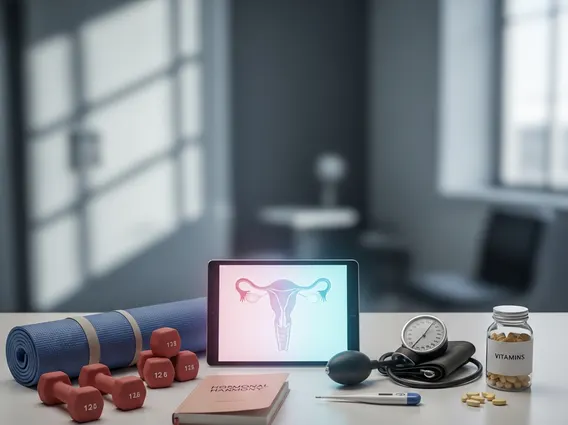
Embarking on a journey to enhance fertility often involves a holistic approach, where lifestyle factors play a pivotal role. Among these, physical activity stands out as a powerful tool. This article explores how targeted exercises for female fertility can significantly contribute to reproductive health and overall hormonal equilibrium.
Key Takeaways
- Moderate, consistent exercise positively influences female hormones, improving ovulation and reproductive health.
- Specific workouts, including moderate cardio and strength training, are effective fertility boosting exercises for women.
- Gentle movements like yoga for hormonal balance women are crucial for stress reduction and endocrine support.
- Avoiding overtraining and listening to your body are essential to prevent negative impacts on fertility.
- Exercise is a supportive measure that complements, but does not replace, professional medical advice for fertility concerns.
How Exercise Impacts Female Hormones and Fertility
The intricate relationship between physical activity, hormonal regulation, and reproductive health is well-documented. Regular, moderate exercise can profoundly influence the delicate balance of hormones essential for fertility. It primarily works by improving insulin sensitivity, reducing systemic inflammation, and managing stress levels, all of which are critical factors in maintaining a healthy reproductive system. For instance, improved insulin sensitivity can be particularly beneficial for women with conditions like Polycystic Ovary Syndrome (PCOS), which often involves insulin resistance and hormonal imbalances that affect ovulation.
Understanding how exercise affects female hormones is key to leveraging its benefits. Physical activity helps regulate the production of hormones such as estrogen, progesterone, and androgens. When these hormones are in balance, the chances of regular ovulation and a healthy menstrual cycle increase. Conversely, excessive or intense exercise can sometimes lead to hormonal disruptions, including amenorrhea (absence of menstruation), which can negatively impact fertility. Therefore, finding a balanced approach to physical activity is paramount. Globally, infertility affects approximately 17.5% of the adult population, or roughly 1 in 6 people, according to the World Health Organization (WHO), highlighting the widespread need for supportive health strategies, including appropriate exercise.
Beyond direct hormonal effects, workouts to improve fertility also contribute to overall well-being by enhancing blood circulation, including to the reproductive organs. This improved blood flow ensures that the ovaries and uterus receive adequate nutrients and oxygen, fostering a healthier environment for conception. Moreover, exercise is a potent stress reliever. Chronic stress can elevate cortisol levels, which in turn can interfere with the hypothalamic-pituitary-ovarian (HPO) axis, disrupting ovulation and menstrual regularity. By mitigating stress, exercise indirectly supports a more stable hormonal environment conducive to fertility.
Top Exercises for Female Fertility and Hormonal Balance
Incorporating the right kind of physical activity into your routine can be a powerful component of a holistic approach to reproductive health. The focus should be on consistency and moderation, rather than intensity. The goal is to support the body’s natural functions without causing undue stress. A combination of cardiovascular activity and strength training typically offers the most comprehensive benefits for Exercises for female Fertility and Hormonal Balance.
For those seeking fertility boosting exercises for women, it’s important to choose activities that promote overall health without overtaxing the body. High-impact or extremely strenuous workouts can sometimes lead to excessive cortisol production and energy deficits, potentially disrupting hormonal balance. Instead, prioritize activities that feel good and are sustainable long-term. These activities not only support physical health but also contribute to mental well-being, which is intrinsically linked to hormonal harmony.
Moderate Cardiovascular Activity
Moderate cardio exercises are excellent for improving blood circulation, managing weight, and reducing stress—all vital for reproductive health. Activities that elevate your heart rate without pushing you to exhaustion are ideal. Aim for 30 minutes of moderate-intensity cardio most days of the week.
- Brisk Walking: An accessible and effective option that can be done almost anywhere. It improves cardiovascular health and can significantly reduce stress.
- Cycling: Whether outdoors or on a stationary bike, cycling is a low-impact way to boost heart rate and improve stamina.
- Swimming: A full-body workout that is gentle on the joints and highly effective for stress reduction and improving circulation.
- Light Jogging: If you’re accustomed to running, light jogging can be beneficial, but ensure it remains at a moderate intensity where you can still hold a conversation.
Strength Training
Strength training is often overlooked in fertility discussions but is incredibly beneficial for hormonal balance. It helps build lean muscle mass, which improves insulin sensitivity and metabolic health. Better insulin sensitivity is particularly helpful for women with conditions like PCOS, as it can help regulate blood sugar and hormone levels. Focus on compound movements using bodyweight or light to moderate weights.
Examples of effective strength training exercises include:
| Exercise Type | Benefits for Fertility | Key Considerations |
|---|---|---|
| Squats (bodyweight or light weights) | Strengthens core and lower body, improves blood flow to pelvic region. | Maintain proper form; avoid heavy lifting that strains the lower back. |
| Lunges | Enhances leg strength and balance, contributes to overall fitness. | Focus on controlled movements; gentle on joints if performed correctly. |
| Glute Bridges | Activates glutes and core, supports pelvic stability. | Excellent for strengthening without putting pressure on the abdomen. |
| Light Dumbbell Rows | Strengthens back muscles, improves posture. | Use light weights to avoid overexertion. |
| Planks | Builds core strength and stability. | Hold for manageable durations; modify on knees if needed. |
These best exercises for reproductive health should be performed 2-3 times per week, allowing for rest days in between. The emphasis should always be on proper form and listening to your body’s signals.
Gentle Movement and Yoga for Reproductive Health
While more vigorous activities have their place, gentle movements and practices like yoga are indispensable for supporting hormonal balance, especially through stress reduction. Chronic stress can significantly disrupt the endocrine system, leading to irregular cycles and impacting fertility. Incorporating practices that promote relaxation and mindfulness can be a powerful component of natural ways to balance hormones exercise.
Yoga for hormonal balance women focuses on poses that can stimulate the reproductive organs, improve circulation to the pelvic area, and calm the nervous system. Restorative yoga, Hatha yoga, and Yin yoga are particularly beneficial due to their emphasis on gentle stretching, deep breathing, and relaxation. These practices help to lower cortisol levels, enhance parasympathetic nervous system activity, and create a more conducive internal environment for conception. Poses like supported inversions, hip openers, and gentle twists can be particularly therapeutic.
Beyond formal yoga, simple stretching, Pilates, and walking in nature also contribute to this gentle approach. These activities help to release tension, improve flexibility, and foster a sense of well-being. The key is to engage in movement that feels nourishing rather than depleting. Consistency in these gentle practices can lead to significant improvements in stress management and overall hormonal regulation, making them invaluable exercises for female fertility support.
Frequently Asked Questions
How much exercise is ideal for fertility?
For most women, 150-300 minutes of moderate-intensity exercise per week is ideal. This typically translates to 30-60 minutes on most days. The focus should be on consistency and avoiding overtraining, which can negatively impact hormonal balance. Listen to your body and ensure you’re not pushing yourself to exhaustion, as excessive exercise can sometimes disrupt ovulation and menstrual cycles.
Can exercise help with conditions like PCOS?
Yes, exercise is highly beneficial for managing Polycystic Ovary Syndrome (PCOS). It significantly improves insulin sensitivity, which is often a core issue in PCOS, helping to regulate blood sugar and hormone levels. Regular physical activity also aids in weight management, reduces inflammation, and improves mood, all of which contribute to better hormonal balance and can enhance fertility outcomes for women with PCOS.
Are there any exercises to avoid when trying to conceive?
While most moderate exercises are safe and beneficial, it’s generally advisable to avoid high-impact, extremely intense, or prolonged strenuous workouts when actively trying to conceive. Activities that cause significant physical stress, lead to overheating, or involve a high risk of abdominal trauma should also be approached with caution or temporarily avoided. The goal is to support, not strain, your body during this sensitive period.
Disclaimer: The information provided in this article is for general knowledge and informational purposes only, and does not constitute medical advice. It is essential to consult with a qualified healthcare professional or fertility specialist before making any decisions about your health or treatment plan, especially concerning fertility and hormonal balance. This information is supportive only and does not replace professional medical treatment or diagnosis.