Excrete
Excretion is a fundamental biological process vital for maintaining an organism’s internal balance and overall health. It involves the removal of metabolic waste products and excess substances from the body, preventing their accumulation to toxic levels.
Key Takeaways
- Excrete is the biological process of eliminating metabolic waste products and excess substances from the body.
- The body excretes waste through various systems, including the urinary, respiratory, digestive, and integumentary systems.
- Key waste products include urea, carbon dioxide, bile pigments, and excess water and salts.
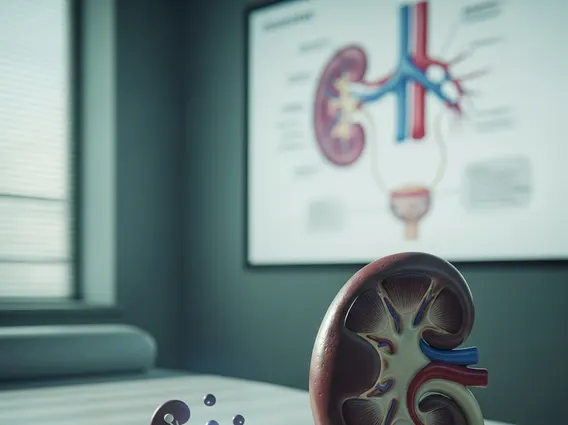
- The primary organs responsible for excretion are the kidneys, liver, lungs, and skin, each playing a distinct role.
- Effective excretion is crucial for maintaining homeostasis and preventing toxicity within the body.
What is Excrete?
Excrete refers to the biological process by which living organisms eliminate metabolic waste products and other non-useful substances from their bodies. This process is essential for maintaining homeostasis, the stable internal environment necessary for cells and organs to function correctly. The accumulation of these waste products can become toxic, leading to various health issues if not efficiently removed.
The meaning of excrete encompasses the expulsion of substances generated during metabolism, such as urea from protein breakdown, carbon dioxide from cellular respiration, and bile pigments from the breakdown of red blood cells. It also includes the removal of excess water, salts, and even certain drugs or toxins that have entered the body. This continuous detoxification process is a cornerstone of physiological health.
How Does the Body Excrete Waste?
The body employs a sophisticated and coordinated system to manage the **excretion process in humans**, ensuring that waste products are efficiently collected and expelled. This involves several organ systems working in concert to filter blood, process metabolic byproducts, and eliminate them from the body. The primary goal is to maintain the delicate balance of fluids, electrolytes, and pH levels.
The body excretes waste through various mechanisms tailored to different types of waste. For instance, gaseous waste like carbon dioxide is exhaled, while liquid waste containing urea and excess salts is filtered from the blood and expelled as urine. Solid waste, comprising undigested food and bile pigments, is eliminated as feces. This multi-faceted approach ensures that a wide array of potentially harmful substances are removed.
- Metabolic Waste: Products like urea, uric acid, and creatinine, primarily from protein and nucleic acid metabolism.
- Gaseous Waste: Carbon dioxide, a byproduct of cellular respiration.
- Excess Substances: Surplus water, salts, vitamins, and hormones.
- Toxins and Drugs: Substances ingested or produced internally that need to be neutralized and removed.
Organs Responsible for Excretion
Several specialized **organs responsible for excretion** collectively ensure the body’s internal environment remains clean and balanced. Each organ system targets specific types of waste, contributing to the overall detoxification process. The efficiency of these organs is critical for preventing the buildup of harmful substances that could impair physiological functions.
The main excretory organs include the kidneys, liver, lungs, and skin. While the digestive system also eliminates waste, its primary role is digestion and absorption, with excretion being a secondary function for undigested material. The coordinated action of these organs is vital for maintaining health and preventing disease.
| Organ | Primary Excretory Function | Waste Products Eliminated |
|---|---|---|
| Kidneys | Filter blood to produce urine, regulating water and electrolyte balance. | Urea, uric acid, creatinine, excess salts, water, drugs, toxins. |
| Liver | Detoxifies harmful substances, produces bile to excrete waste into the digestive tract. | Bile pigments (bilirubin), cholesterol, hormones, drugs, toxins. |
| Lungs | Eliminate gaseous waste products from cellular respiration. | Carbon dioxide, water vapor. |
| Skin | Excretes water, salts, and small amounts of urea through sweat. | Excess water, sodium chloride, lactic acid, urea. |