Excisional Biopsy
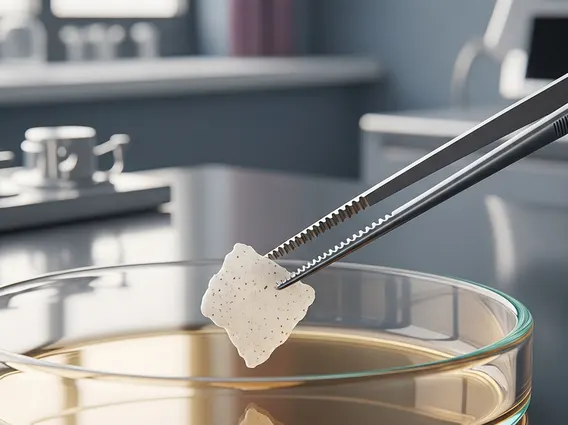
An excisional biopsy is a common medical procedure used to diagnose and sometimes treat suspicious lesions or masses. It involves the complete surgical removal of an entire abnormal area of tissue for microscopic examination.
Key Takeaways
- Excisional biopsy involves the complete surgical removal of a suspicious lesion or abnormal tissue.
- It serves both diagnostic and potentially therapeutic purposes, aiming for definitive analysis.
- The procedure is typically performed under local anesthesia in an outpatient setting.
- Recovery involves wound care and managing discomfort, with results usually available within days to a couple of weeks.
- Pathologists interpret the tissue to determine if the lesion is benign, malignant, or atypical, guiding subsequent medical decisions.
What is Excisional Biopsy?
Excisional Biopsy refers to a surgical procedure where an entire suspicious lump, lesion, or area of abnormal tissue, along with a margin of surrounding healthy tissue, is completely removed from the body. This method is often chosen when a preliminary examination or imaging suggests the possibility of malignancy, or when a definitive diagnosis is required. Unlike other biopsy types that remove only a sample of tissue, excisional biopsy aims for complete removal, which can sometimes be curative if the lesion is small and benign, or if it’s a low-grade malignancy with clear margins. It is a crucial diagnostic tool in oncology and dermatology, providing a comprehensive sample for pathological analysis.
The Excisional Biopsy Procedure Explained
The excisional biopsy procedure explained typically begins with the patient receiving a local anesthetic to numb the area, ensuring comfort throughout the process. In some cases, especially for larger or deeper lesions, sedation or general anesthesia might be used. Once the area is numb, the surgeon makes an incision around the suspicious tissue, carefully excising the entire lesion along with a small border of healthy tissue, known as the margin. The size and depth of the incision depend on the lesion’s characteristics and location. After the tissue is removed, the incision is closed with sutures, staples, or adhesive strips. The removed tissue is then sent to a pathology laboratory for detailed microscopic examination by a pathologist. The procedure is generally performed in an outpatient setting, allowing patients to return home the same day.
Recovery and Results Interpretation
Understanding excisional biopsy recovery time is essential for patients. Immediately after the procedure, the patient will have a wound that requires care. Recovery typically involves managing mild pain or discomfort with over-the-counter pain relievers, keeping the incision site clean and dry, and following specific instructions regarding activity restrictions. The healing time varies depending on the size and location of the biopsy, but most individuals can resume normal activities within a few days to a week, though strenuous activity might be restricted for longer. Stitches are usually removed after 7-14 days.
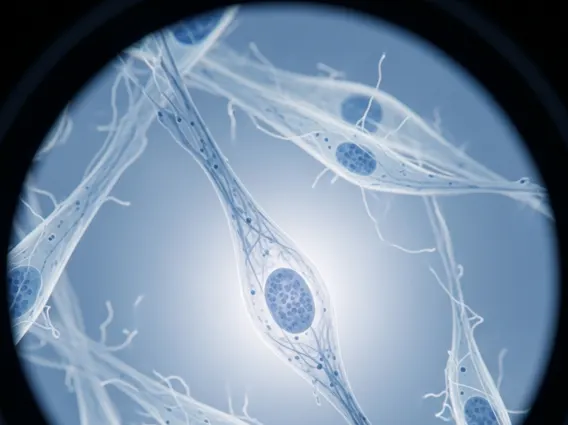
The excisional biopsy results interpretation is performed by a pathologist, a doctor specialized in diagnosing diseases by examining tissue samples. The pathologist analyzes the removed tissue under a microscope to determine the nature of the cells. They look for signs of inflammation, infection, benign growth, or malignancy. The report will typically state whether the lesion is benign (non-cancerous), malignant (cancerous), or atypical (showing abnormal cells that are not yet cancerous but may require further monitoring or treatment). The presence of “clear margins” means that no abnormal cells were found at the edges of the removed tissue, suggesting complete removal. The results are usually available within several days to two weeks, after which the referring physician will discuss the findings and any necessary next steps with the patient.
Key aspects of post-procedure care include:
- Keep the wound clean and dry, changing dressings as advised by your healthcare provider.
- Avoid strenuous activities or heavy lifting that could strain the incision site and impede healing.
- Take prescribed or over-the-counter pain medication as needed for discomfort.
- Monitor the wound for any signs of infection, such as increased redness, swelling, pus, or fever, and report them to your doctor.
- Attend all follow-up appointments for stitch removal and discussion of your biopsy results.