
Essential Nutrients for Cancer Recovery
Recovering from cancer treatment is a multifaceted journey, and a crucial aspect often overlooked is the profound impact of proper nutrition. This article delves into the essential nutrients for cancer recovery, highlighting how strategic dietary choices can significantly support healing and well-being during this critical phase.
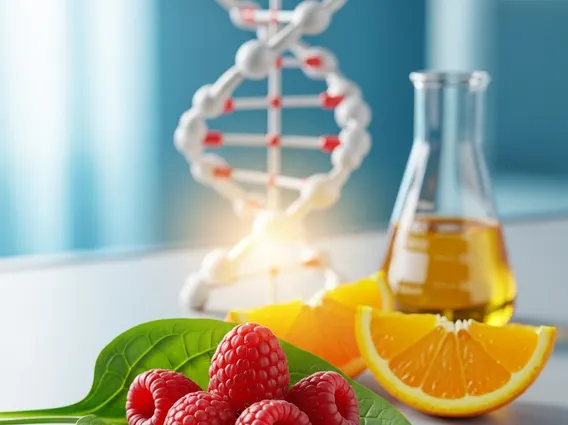
Key Takeaways
- Optimal cancer recovery nutrition is vital for rebuilding strength, boosting immunity, and managing post-treatment side effects.
- Protein, specific vitamins, and minerals are key nutrients for cancer recovery, supporting tissue repair and immune function.
- A whole-foods, plant-based approach forms the foundation of the best diet after cancer treatment, emphasizing fruits, vegetables, and lean proteins.
- Hydration and adequate fiber intake are crucial for digestive health and overall well-being during recovery.
- Supplements for cancer healing should always be discussed with a healthcare provider to ensure safety and efficacy.
The Role of Nutrition in Cancer Recovery
The importance of nutrition in cancer recovery cannot be overstated. After undergoing rigorous treatments such as chemotherapy, radiation, or surgery, the body is often depleted and in need of significant support to repair damaged cells, restore energy levels, and strengthen its defenses. A well-planned diet provides the necessary building blocks for this complex healing process, directly influencing recovery outcomes and quality of life.
Boosting Immunity and Healing
Effective cancer recovery nutrition plays a pivotal role in bolstering the immune system, which is often compromised by cancer treatments. A robust immune system is essential for fighting off infections and preventing recurrence. Nutrients like zinc, selenium, and vitamins A, C, and E act as powerful antioxidants, protecting cells from further damage and supporting immune cell function. According to the American Cancer Society, maintaining a healthy weight and consuming a nutrient-rich diet can significantly improve immune response and overall health during and after cancer treatment.
Managing Treatment Side Effects
Many cancer treatments leave patients grappling with challenging side effects, including fatigue, nausea, appetite loss, and digestive issues. Tailored dietary strategies can help mitigate these symptoms. For instance, consuming smaller, more frequent meals can alleviate nausea, while incorporating high-fiber foods can address constipation. Adequate hydration is also critical for managing various side effects, from dry mouth to fatigue. Focusing on easily digestible foods that help cancer recovery can make a substantial difference in daily comfort and nutrient absorption.
Essential Nutrients for Post-Treatment Healing
Understanding the specific nutrients for cancer recovery is fundamental to designing an effective post-treatment diet. The body requires a diverse array of macronutrients and micronutrients to repair tissues, rebuild strength, and restore physiological balance. Prioritizing these essential components ensures that the body has the resources it needs to heal efficiently and effectively after the rigors of cancer therapy.
Protein and Amino Acids
Protein is paramount for tissue repair, muscle maintenance, and immune function, making it a cornerstone of cancer recovery nutrition. Cancer treatments can lead to significant muscle loss, a condition known as cachexia, making protein intake even more critical. Lean protein sources such as poultry, fish, eggs, legumes, and plant-based proteins like tofu and tempeh provide essential amino acids. These amino acids are the building blocks for new cells, enzymes, and hormones, all vital for recovery. Aiming for a consistent intake of high-quality protein throughout the day supports cellular regeneration and helps maintain energy levels.
Vitamins and Minerals
A comprehensive intake of vitamins essential for cancer patients is crucial for various metabolic processes and overall health. For example, B vitamins are vital for energy production and nerve function, while Vitamin D supports bone health and immune regulation. Iron helps prevent anemia, a common issue post-treatment, and calcium is essential for bone strength. Magnesium plays a role in muscle and nerve function. These micronutrients often work synergistically, meaning their combined effect is greater than the sum of their individual parts, underscoring the importance of a varied diet. The National Cancer Institute emphasizes that adequate intake of these micronutrients can improve treatment tolerance and reduce the risk of complications.
Crafting Your Best Diet After Cancer Treatment
Developing the best diet after cancer treatment involves a holistic approach that prioritizes nutrient density, digestibility, and personal tolerance. This phase of recovery is not just about avoiding harmful foods but actively embracing those that promote healing and vitality. The goal is to create sustainable eating habits that support long-term health and well-being, moving beyond the immediate post-treatment period.
Whole Foods and Plant-Based Focus
A diet rich in whole, unprocessed foods, with a strong emphasis on plant-based options, forms the bedrock of optimal nutrition guidelines post cancer. This includes a wide variety of fruits, vegetables, whole grains, nuts, and seeds. These foods are packed with antioxidants, phytochemicals, and fiber, which can help reduce inflammation and support cellular health. Incorporating a rainbow of produce ensures a broad spectrum of protective compounds. Lean proteins and healthy fats from sources like avocados, olive oil, and fatty fish should also be included to provide sustained energy and support nutrient absorption.
Hydration and Fiber Intake
Adequate hydration is a fundamental component of cancer recovery nutrition. Water is essential for every bodily function, including nutrient transport, temperature regulation, and waste elimination. Dehydration can exacerbate fatigue and other treatment-related side effects. Aim for at least 8-10 glasses of water daily, and consider herbal teas or diluted fruit juices for variety. Fiber, found abundantly in fruits, vegetables, whole grains, and legumes, is equally important. It promotes healthy digestion, prevents constipation, and supports a balanced gut microbiome, which is increasingly recognized for its role in immune function and overall health. The American Institute for Cancer Research recommends prioritizing fiber-rich foods that help cancer recovery to maintain digestive regularity and reduce inflammation.
Supplements for Enhanced Cancer Recovery Nutrition
While a balanced diet is the primary source of nutrients, some individuals may consider supplements for cancer healing to address specific deficiencies or support overall recovery. However, it is paramount to approach supplementation with caution and under professional guidance, as not all supplements are beneficial, and some can even interfere with ongoing medical treatments or have adverse effects.
When to Consider Supplements
The decision to incorporate supplements should always be individualized and based on a thorough assessment by a healthcare professional, such as an oncologist or a registered dietitian specializing in oncology. Factors like specific nutrient deficiencies identified through blood tests, persistent side effects, or dietary restrictions may warrant consideration of supplements. For instance, individuals with malabsorption issues or those following restrictive diets might benefit from targeted supplementation to ensure they receive adequate vitamins essential for cancer patients. Never self-prescribe supplements, as high doses of certain vitamins or minerals can be detrimental.
Key Supplements to Discuss with Your Doctor
When considering supplements for cancer healing, it is crucial to have an open discussion with your medical team. Some commonly discussed supplements for post-cancer recovery include Vitamin D, often deficient in cancer patients, and B vitamins, important for energy. Omega-3 fatty acids, found in fish oil, are known for their anti-inflammatory properties. Probiotics can support gut health, which is often disrupted by antibiotics and chemotherapy. However, the efficacy and safety of each supplement vary, and interactions with medications are possible. Your doctor can provide personalized nutrition guidelines post cancer, including whether specific supplements are appropriate for your unique situation and how to integrate them safely into your overall recovery plan.
Frequently Asked Questions
What is the most important aspect of nutrition during cancer recovery?
The most important aspect of cancer recovery nutrition is a holistic approach focused on nutrient density and individualized needs. Prioritizing whole, unprocessed foods, particularly a wide array of fruits, vegetables, and lean proteins, helps to rebuild strength, repair tissues, and bolster the immune system. Adequate hydration and fiber intake are also critical for managing treatment side effects and supporting digestive health. Always consult with a healthcare professional or registered dietitian to tailor a plan that addresses specific deficiencies and supports your unique healing journey effectively.
Can specific foods help reduce the risk of cancer recurrence?
While no single food can guarantee the prevention of cancer recurrence, a diet rich in plant-based foods is strongly associated with better long-term outcomes. Foods that help cancer recovery, such as colorful fruits, vegetables, whole grains, and legumes, are packed with antioxidants and phytochemicals that can reduce inflammation and support cellular health. Limiting processed foods, red meat, and excessive sugar intake is also advised. These comprehensive nutrition guidelines post cancer contribute to a healthier internal environment, potentially lowering the risk of recurrence and promoting overall well-being. Regular physical activity further enhances these benefits.
Are there any vitamins essential for cancer patients that should be avoided?
While many vitamins essential for cancer patients are beneficial, some should be approached with caution or avoided, especially during active treatment. High doses of certain antioxidants, for example, might interfere with the effectiveness of some chemotherapy or radiation therapies by protecting cancer cells. Similarly, some herbal supplements can interact negatively with medications or affect blood clotting. It is absolutely crucial to discuss all vitamins, minerals, and herbal supplements with your oncologist or a specialized dietitian. They can provide guidance based on your specific cancer type, treatment regimen, and overall health status, ensuring safety and efficacy.
Disclaimer: The information provided in this article is for educational purposes only and is not intended as a substitute for professional medical advice, diagnosis, or treatment. Always seek the advice of your physician or other qualified health provider with any questions you may have regarding a medical condition or before making any changes to your diet, exercise, or supplement regimen. This content is not intended to diagnose, treat, cure, or prevent any disease.



