
Electrode
An electrode is a fundamental component in various medical applications, serving as a conductor to establish electrical contact with non-metallic parts of a circuit, such as biological tissue or fluids. These devices are essential for both diagnostic monitoring and therapeutic interventions in clinical settings.
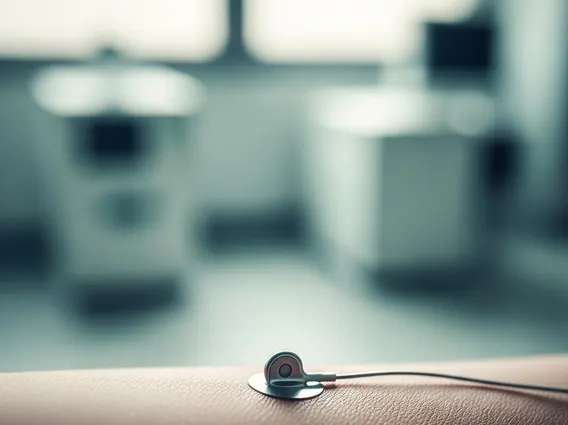
Key Takeaways
- An Electrode is an electrical conductor used to make contact with biological systems for diagnostic or therapeutic purposes.
- They facilitate the measurement of bioelectrical signals (e.g., ECG, EEG) and the delivery of electrical stimuli (e.g., pacemakers, defibrillators).
- Electrodes function by converting ionic currents in the body into electronic currents that can be processed by medical devices.
- Various types of electrodes exist, including surface, needle, and implantable electrodes, each suited for specific clinical applications.
- Proper electrode placement and material selection are critical for accurate readings and effective treatment outcomes.
What is an Electrode? Definition and Function
An Electrode is an electrical conductor that makes contact with a non-metallic part of a circuit, such as an electrolyte, semiconductor, or vacuum. In a medical context, electrodes are specialized devices designed to interface with biological systems, facilitating the flow of electrical current into or out of the body. Their primary function revolves around two key areas: sensing bioelectrical signals and delivering electrical stimulation.
The World Health Organization (WHO) recognizes medical devices, including electrodes, as crucial for healthcare delivery, enabling accurate diagnosis, effective treatment, and patient monitoring. For instance, in diagnostic applications, electrodes detect the subtle electrical potentials generated by organs like the heart (electrocardiography, ECG) or brain (electroencephalography, EEG). In therapeutic applications, they deliver controlled electrical currents to stimulate nerves, muscles, or cardiac tissue, as seen in pacemakers or defibrillators. The U.S. Food and Drug Administration (FDA) regulates these devices to ensure their safety and effectiveness.
Types of Electrodes and Their Applications
The design and material of electrodes vary significantly depending on their intended medical application. Understanding the different types is crucial for appreciating their role in clinical practice. These devices are broadly categorized by their placement and invasiveness.
Here are some common types of electrodes:
- Surface Electrodes: These are non-invasive, placed on the skin to detect electrical activity from underlying tissues. Examples include ECG electrodes for heart monitoring, EEG electrodes for brain activity, and EMG electrodes for muscle function. They typically consist of a conductive gel or adhesive pad to ensure good skin contact.
- Needle Electrodes: These are minimally invasive, inserted into the tissue or muscle to record localized electrical activity or deliver targeted stimulation. They are often used in electromyography (EMG) to assess muscle and nerve health or in nerve conduction studies.
- Implantable Electrodes: Designed for long-term use, these electrodes are surgically placed inside the body. Examples include electrodes for cardiac pacemakers, implantable cardioverter-defibrillators (ICDs), deep brain stimulation (DBS) for neurological disorders, and cochlear implants for hearing restoration.
Each type is engineered to optimize signal acquisition or current delivery while minimizing patient discomfort and risk. The choice of electrode material, such as silver/silver chloride (Ag/AgCl), stainless steel, or platinum, is critical for biocompatibility and stable electrical performance.
How Electrodes Work: Principles and Mechanisms
The fundamental principle behind how electrodes work involves the conversion of ionic current within the body into electronic current that can be measured or delivered by external devices. Biological systems operate on ionic currents, where charged ions (like sodium, potassium, and chloride) move across cell membranes. Medical devices, however, process electronic currents, which involve the flow of electrons.
At the electrode-tissue interface, an electrochemical reaction occurs. When an electrode is placed on or in the body, a potential difference is established. For sensing, the ionic currents generated by physiological processes (e.g., depolarization of cardiac muscle cells) cause a charge separation at the electrode surface. This charge separation is then converted into an electronic signal that can be amplified, filtered, and displayed by monitoring equipment. For stimulation, an external electronic current is applied to the electrode, which then drives an ionic current into the tissue, triggering a physiological response. The stability and accuracy of this conversion are paramount for reliable diagnostic information and effective therapeutic outcomes.



















