
Electrocoagulation
Electrocoagulation is a medical procedure that utilizes electrical currents to achieve therapeutic effects, primarily in the field of oncology and other clinical applications. This technique offers a targeted approach for various medical conditions, leveraging electrochemical reactions within tissues to induce coagulation and tissue destruction.
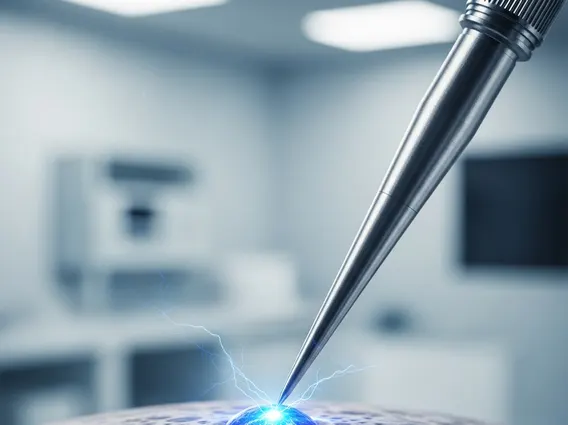
Key Takeaways
- Electrocoagulation is a medical procedure that employs direct electrical current for therapeutic purposes.
- It functions by inducing coagulation and irreversible tissue damage through localized electrochemical reactions.
- The process involves the precise insertion of electrodes into or near target tissue, followed by controlled current delivery.
- Primary applications include tumor ablation, achieving hemostasis, and treating various dermatological conditions.
- It is considered a minimally invasive technique, valued for its precision and reduced systemic impact.
What is Electrocoagulation?
Electrocoagulation refers to a medical procedure that employs direct electrical current to induce coagulation and destruction of targeted biological tissues. This technique is widely used in various clinical settings, particularly in oncology, where it serves as a minimally invasive method for tumor ablation. The fundamental principle behind it involves the application of a low-voltage, high-frequency current directly to the tissue. This controlled electrical energy initiates a series of electrochemical reactions within the cells, leading to irreversible changes. Specifically, it causes proteins within the cells to denature and coagulate, effectively destroying the target tissue while minimizing collateral damage to surrounding healthy areas. This precise method allows for highly controlled and localized tissue destruction, making it a valuable therapeutic option.
How Electrocoagulation Works
The mechanism of action for electrocoagulation involves the direct application of electrical energy to biological tissues, leading to a cascade of cellular and vascular effects. When specialized electrodes are precisely inserted into the target area, the electrical current passes through the tissue, causing a rapid increase in temperature and significant localized electrochemical changes. This process results in the denaturation of cellular proteins, which are essential for cell function and structure, and the coagulation of blood vessels supplying the treated area. By cutting off the blood supply and directly damaging cellular components, the treated cells undergo necrosis and ultimately die. The electrocoagulation process explained involves several key operational steps:
- Target Identification and Access: The specific tissue requiring treatment is identified, and electrodes are guided to the site, often using imaging techniques for precision.
- Controlled Current Delivery: A calibrated electrical current, typically direct current (DC) or specific alternating current (AC) waveforms, is delivered through the electrodes.
- Electrochemical Reactions: The current induces electrochemical reactions, such as pH changes and the formation of reactive oxygen species, alongside thermal effects.
- Protein Denaturation and Coagulation: These reactions lead to the irreversible denaturation of proteins and the coagulation of tissue components, including blood vessels.
- Tissue Necrosis and Resorption: The treated tissue undergoes necrosis, a form of cell death, and is subsequently either reabsorbed by the body’s natural processes or sloughed off.
This highly localized destruction makes it an effective and precise tool for various medical interventions.
Applications of Electrocoagulation
The versatility and precision of electrocoagulation make it suitable for a broad spectrum of medical applications across different specialties. In oncology, it is frequently utilized for the ablation of small to medium-sized tumors, particularly in organs such as the liver, kidney, and lung. It offers a significant alternative to traditional surgical resection for select patients, especially those who may not be candidates for open surgery due to comorbidities or tumor location. Beyond its role in tumor treatment, electrocoagulation applications extend to achieving hemostasis during various surgical and endoscopic procedures. By coagulating blood vessels, it effectively stops bleeding, enhancing patient safety and reducing operative time. Furthermore, in dermatology, it is a common and effective method for the removal of benign skin lesions, including warts, skin tags, and certain precancerous growths. The controlled nature of the technique minimizes scarring and promotes faster healing compared to some more invasive traditional methods. Its ability to precisely target and destroy abnormal tissue while preserving surrounding healthy structures underscores its value in modern clinical practice.



















