Egd
Esophagogastroduodenoscopy (EGD) is a common and vital medical procedure used to examine the upper part of the gastrointestinal tract. It plays a crucial role in diagnosing and sometimes treating various conditions affecting the esophagus, stomach, and duodenum.
Key Takeaways
- EGD is an endoscopic procedure that allows direct visualization of the esophagus, stomach, and the first part of the small intestine.
- It is primarily used to diagnose symptoms like persistent heartburn, difficulty swallowing, abdominal pain, and unexplained bleeding.
- Benefits include accurate diagnosis, ability to take biopsies, and therapeutic interventions like polyp removal.
- While generally safe, potential risks are rare and include perforation, bleeding, or reactions to sedation.
- Preparation involves fasting, and recovery typically includes a short observation period before returning home.
What is EGD (Esophagogastroduodenoscopy) Medical Procedure?
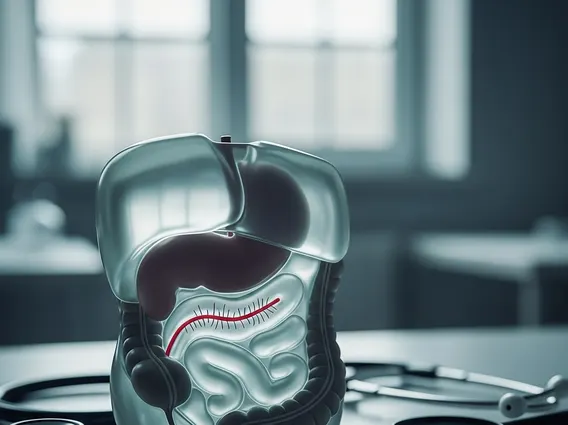
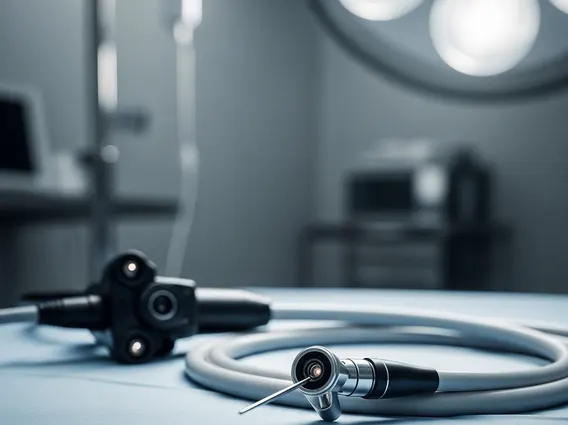
Esophagogastroduodenoscopy (EGD) is a diagnostic and therapeutic procedure that allows a gastroenterologist to visually inspect the lining of the upper gastrointestinal (GI) tract. This includes the esophagus, stomach, and the initial segment of the small intestine, known as the duodenum. The procedure utilizes a thin, flexible tube called an endoscope, which is equipped with a light and a camera, to transmit images to a video screen. This provides a detailed EGD endoscopy explanation of the internal structures, enabling the detection of abnormalities that might not be visible on X-rays.
An EGD is often recommended for individuals experiencing a range of symptoms or conditions. It helps in identifying the causes of persistent issues and guiding appropriate treatment plans. Common reasons for undergoing an EGD include:
- Persistent heartburn or gastroesophageal reflux disease (GERD)
- Difficulty swallowing (dysphagia) or painful swallowing (odynophagia)
- Unexplained abdominal pain or nausea and vomiting
- Gastrointestinal bleeding, indicated by black, tarry stools or vomiting blood
- Anemia due to iron deficiency, which may suggest internal bleeding
- Monitoring conditions like Barrett’s esophagus or celiac disease
EGD Procedure: Risks and Benefits
Understanding the EGD procedure risks and benefits is essential for patients considering this diagnostic tool. The benefits of an EGD are significant, primarily due to its ability to provide direct visualization and allow for immediate intervention. It offers a highly accurate method for diagnosing conditions such as ulcers, inflammation (esophagitis, gastritis, duodenitis), polyps, strictures, and even early signs of cancer. Furthermore, the endoscope allows for biopsies to be taken, which are crucial for definitive diagnosis, and therapeutic interventions like removing polyps, dilating narrowed areas, or stopping bleeding.
While EGD is generally considered a safe procedure, like any medical intervention, it carries a small risk of complications. Serious complications are rare; according to the American Society for Gastrointestinal Endoscopy (ASGE), they occur in less than 1 in 1,000 procedures. Potential risks include:
- Perforation: A tear in the wall of the esophagus, stomach, or duodenum, which may require surgery.
- Bleeding: Particularly if a biopsy is taken or a polyp is removed, though usually minor and self-limiting.
- Reaction to Sedation: Adverse reactions to the sedative medications, such as respiratory or cardiac problems.
- Infection: Extremely rare, as the endoscope is thoroughly disinfected between uses.
Patients are carefully monitored throughout the procedure to minimize these risks, and medical staff are prepared to address any complications promptly.
Preparing for and Recovering from an EGD
Proper EGD preparation and recovery are crucial for a successful procedure and a smooth experience. Preparation typically involves specific dietary restrictions and medication adjustments. Patients are usually instructed to fast for at least six to eight hours before the procedure, meaning no food or drink, to ensure the stomach is empty. This allows for clear visualization and reduces the risk of aspiration. Your doctor will also review your current medications and advise if any need to be paused, especially blood thinners, which might increase the risk of bleeding.
The recovery phase is generally brief. After the EGD, patients are monitored in a recovery area until the effects of the sedation wear off. It is common to experience a mild sore throat, bloating, or gas, which typically subsides within a few hours. Due to the sedation, patients are advised not to drive, operate machinery, or make important decisions for the rest of the day. It is mandatory to arrange for someone to drive you home. Most individuals can resume their normal diet and activities the following day, but specific instructions will be provided by your healthcare team based on any findings or interventions during the procedure. If you experience severe abdominal pain, persistent vomiting, fever, or bloody stools after returning home, it is important to contact your doctor immediately.