Eczema
Eczema is a common chronic inflammatory skin condition characterized by dry, itchy, and inflamed patches of skin. It can affect people of all ages, often appearing in early childhood and sometimes persisting into adulthood.
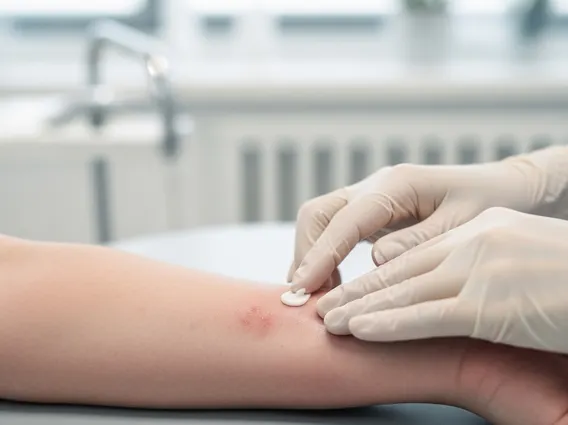
Key Takeaways
- Eczema is a chronic inflammatory skin condition marked by dry, itchy, and red skin.
- There are several types of eczema, with atopic dermatitis being the most common, each having distinct characteristics.
- Eczema flare-ups are often triggered by a combination of genetic predisposition, immune responses, and environmental factors.
- Management involves a multi-faceted approach, including identifying and avoiding triggers, moisturizing, and medical treatments.
- Natural strategies, alongside conventional treatments, can help in how to manage eczema naturally and improve quality of life.
What is Eczema: Types and Common Symptoms
Eczema, also known as dermatitis, refers to a group of conditions that cause the skin to become inflamed, itchy, and irritated. It is not contagious and is often linked to a combination of genetic and environmental factors. The condition disrupts the skin’s barrier function, making it more susceptible to irritants and allergens.
Understanding the different types of eczema and treatments is crucial for effective management. The most prevalent type is atopic dermatitis, which often begins in childhood and is associated with asthma and hay fever. Other common types include contact dermatitis (caused by irritants or allergens), dyshidrotic eczema (affecting hands and feet with small, itchy blisters), nummular eczema (coin-shaped patches), seborrheic dermatitis (often on the scalp and face), and stasis dermatitis (due to poor circulation in the legs).
The common symptoms of eczema can vary depending on the type and severity, but typically include:
- Intense itching, which can be worse at night.
- Dry, sensitive skin.
- Red or brownish-gray patches, especially on the hands, feet, ankles, wrists, neck, upper chest, eyelids, inside the bend of the elbows and knees.
- Small, raised bumps that may leak fluid and crust over when scratched.
- Thickened, cracked, or scaly skin (lichenification) from chronic scratching.
According to the National Eczema Association, over 31 million Americans have some form of eczema, highlighting its widespread impact on public health.
Causes of Eczema Flare-Ups
The exact causes of eczema flare ups are complex and often involve a combination of genetic, immunological, and environmental factors. Individuals with a family history of eczema, asthma, or hay fever are more prone to developing the condition, suggesting a genetic predisposition. An overactive immune system can also play a role, leading to an inflammatory response when the skin is exposed to certain triggers.
Environmental triggers can provoke or worsen eczema symptoms. These triggers vary from person to person but commonly include:
- Irritants: Soaps, detergents, shampoos, disinfectants, certain metals (like nickel), and cigarette smoke.
- Allergens: Dust mites, pet dander, pollen, mold, and certain foods (e.g., dairy, eggs, nuts, soy).
- Stress: Emotional stress does not cause eczema but can significantly exacerbate symptoms and trigger flare-ups.
- Climate: Extreme temperatures, both hot and cold, as well as low humidity, can dry out the skin and lead to irritation.
- Sweat: Perspiration can irritate sensitive skin and trigger itching.
- Infections: Bacterial, viral, or fungal infections can worsen eczema symptoms.
Identifying and avoiding personal triggers is a cornerstone of effective eczema management, helping to reduce the frequency and severity of flare-ups.
Eczema Management and Treatment Options
Effective eczema management involves a comprehensive approach that combines daily skin care, trigger avoidance, and medical treatments when necessary. The primary goals are to reduce itching, heal the skin, prevent future flare-ups, and manage symptoms.
Many individuals seek strategies for how to manage eczema naturally alongside conventional medical advice. These natural approaches often focus on supporting skin health and reducing inflammation through lifestyle adjustments. This can include maintaining a consistent moisturizing routine with fragrance-free products, taking lukewarm baths, wearing soft, breathable fabrics, and avoiding harsh soaps. Dietary changes, such as identifying and eliminating trigger foods, and incorporating anti-inflammatory foods, may also be beneficial for some individuals. Stress reduction techniques like meditation, yoga, or mindfulness can help mitigate stress-induced flare-ups.
Medical treatment options for eczema range from topical creams to systemic medications. Topical corticosteroids are commonly prescribed to reduce inflammation and itching. Other topical treatments include calcineurin inhibitors, which help suppress the immune response in the skin. For more severe cases, phototherapy (light therapy) or systemic medications, such as oral corticosteroids, immunosuppressants, or newer biologic drugs, may be recommended by a dermatologist. These treatments aim to control the underlying inflammation and immune system dysregulation.
It is important to consult with a healthcare professional to determine the most appropriate treatment plan for your specific type of eczema and its severity. While natural remedies and lifestyle changes can be supportive, they should not replace prescribed medical treatments without professional guidance.