Ect
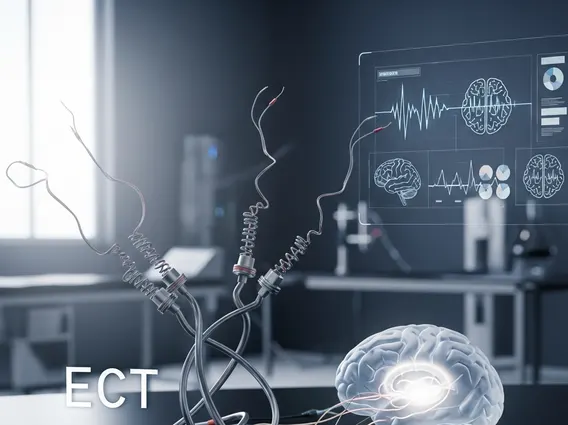
Electroconvulsive Therapy (ECT) is a highly effective medical procedure used to treat severe mental health conditions, primarily severe depression, when other treatments have not been successful. It involves a brief, controlled electrical stimulation of the brain, performed under general anesthesia.
Key Takeaways
- Electroconvulsive Therapy (ECT) is a medical procedure involving controlled electrical stimulation of the brain, primarily for severe depression.
- It works by inducing a brief seizure, which is thought to alter brain chemistry and connectivity, leading to symptom improvement.
- ECT is highly effective, especially for severe, treatment-resistant depression, and can provide rapid relief.
- Potential side effects include temporary memory loss, confusion, headache, and muscle aches, which are typically managed effectively.
- The procedure is performed under general anesthesia with muscle relaxants, making it safe and well-tolerated for most patients.
What is Electroconvulsive Therapy (ECT)?
Electroconvulsive Therapy (ECT) is a medical treatment that involves passing a carefully controlled electric current through the brain, intentionally triggering a brief seizure. This procedure is performed under general anesthesia with muscle relaxants, ensuring the patient’s comfort and safety. Historically, ECT has evolved significantly from its early forms, and modern ECT is a refined and highly controlled intervention. It is primarily used for individuals with severe major depression, bipolar disorder, or catatonia who have not responded to other treatments, or for whom rapid response is critical due to severe symptoms like psychosis or suicidality.
The decision to pursue ECT as a medical treatment is made after careful consideration by a team of medical professionals, including psychiatrists, anesthesiologists, and nurses. It is recognized by major medical organizations worldwide, including the American Psychiatric Association, as a safe and effective option for specific psychiatric conditions. According to the World Health Organization (WHO), ECT remains a vital treatment option for severe mental disorders, particularly when rapid and definitive improvement is required.
How Does ECT Work for Depression?
The precise mechanism by which ECT alleviates depression symptoms is not fully understood, but current theories suggest it works by inducing complex neurobiological changes in the brain. The controlled seizure activity is believed to affect various neurotransmitter systems, including serotonin, dopamine, and norepinephrine, which are often implicated in mood regulation. It may also lead to changes in brain connectivity and the expression of certain genes involved in brain cell growth and function.
When an electrical current is applied, it causes a generalized seizure that lasts typically for 30 to 90 seconds. This seizure activity is thought to “reset” or reorganize brain circuits that are dysfunctional in severe depression. Studies using advanced neuroimaging techniques have shown that ECT can alter blood flow, metabolism, and connectivity in brain regions associated with mood and emotion, such as the prefrontal cortex and limbic system. These changes contribute to the antidepressant effects, often leading to significant and rapid improvement in mood, energy levels, and overall functioning for many patients.
Benefits and Potential Side Effects of ECT
The **benefits of ECT treatment** are well-documented, particularly for severe and treatment-resistant forms of depression. It is often considered when patients have not responded to multiple antidepressant medications or psychotherapy. ECT can produce a rapid and robust antidepressant effect, with response rates often exceeding those of medication alone, especially in severe cases. For individuals with life-threatening symptoms such as severe suicidal ideation or catatonia, ECT can provide critical, life-saving relief much faster than other interventions.
While highly effective, there are potential **ect therapy side effects** that patients should be aware of. These are generally temporary and manageable. Common side effects include:
- Memory Loss: This can involve difficulty recalling events that occurred around the time of treatment (retrograde amnesia) or learning new information (anterograde amnesia). This is usually temporary, improving over weeks to months after treatment.
- Confusion: Patients may experience a brief period of disorientation or confusion immediately after waking from anesthesia.
- Headache and Muscle Aches: These are common and can be managed with over-the-counter pain relievers.
- Nausea: Some individuals may experience mild nausea after the procedure, often due to the anesthesia.
Medical teams closely monitor patients during and after ECT to manage any side effects. The long-term cognitive effects are generally minimal, with most patients reporting an improvement in overall cognitive function as their depression symptoms resolve. The decision to undergo ECT involves a thorough discussion of these benefits and risks with the healthcare provider.