Diagnosis, Screening, and Early Detection of Thyroid Cancer
Understanding the process of thyroid cancer diagnosis, screening, and early detection is crucial for improving patient outcomes. This article provides a comprehensive overview of how thyroid cancer is identified, from recognizing initial symptoms to interpreting diagnostic results.

Key Takeaways
- Recognizing common symptoms of early thyroid cancer, such as a neck lump or voice changes, is vital for prompt medical evaluation.
- Routine thyroid cancer screening guidelines generally do not recommend universal screening, but targeted screening may benefit high-risk individuals.
- The diagnostic process typically involves an initial clinical assessment, imaging studies like ultrasound, and a definitive fine-needle aspiration (FNA) biopsy.
- Understanding your pathology report and cancer stage is essential for developing an effective treatment plan.
- Early detection of thyroid cancer significantly improves prognosis, emphasizing the importance of timely consultation with a healthcare professional.
Understanding Early Signs of Thyroid Cancer
Recognizing the symptoms of early thyroid cancer is a critical first step towards timely diagnosis and treatment. While many thyroid conditions are benign, being aware of potential warning signs can prompt a visit to a healthcare provider.
Common Symptoms to Watch For
The most common initial sign of thyroid cancer is a lump or nodule in the neck, often discovered during a routine physical exam or by the individual themselves. However, other symptoms can also indicate a problem with the thyroid gland. What are the signs of thyroid cancer that warrant attention?
- A lump or swelling in the neck: This is the most frequent symptom, often painless and located at the front of the neck, just below the Adam’s apple.
- Voice changes: Persistent hoarseness or other voice changes that do not resolve can be a sign, as the tumor may press on the recurrent laryngeal nerve.
- Difficulty swallowing: A growing tumor can put pressure on the esophagus, making it hard to swallow food or liquids.
- Difficulty breathing: In rare cases, a large tumor can press on the trachea, leading to shortness of breath.
- Pain in the neck and throat: While often painless, some thyroid cancers can cause pain that radiates up to the ears.
- Swollen lymph nodes: Enlarged lymph nodes in the neck can indicate that the cancer has spread.
It’s important to note that these symptoms can also be caused by non-cancerous conditions. For instance, thyroid nodules are very common, with studies suggesting that up to 68% of adults may have them, though less than 10% are malignant. (Source: American Thyroid Association).
When to Consult a Doctor
If you experience any of the aforementioned symptoms, especially a new or growing lump in your neck, it is advisable to consult a doctor promptly. Early medical evaluation is key for early detection of thyroid cancer. Your doctor will conduct a physical examination and may recommend further tests to determine the cause of your symptoms. Do not delay seeking medical advice, as timely intervention can significantly impact treatment outcomes.
Thyroid Cancer Screening Guidelines and Tests
While the importance of early detection of thyroid cancer is clear, universal screening for the general population is not typically recommended. Instead, thyroid cancer screening guidelines focus on identifying individuals at higher risk.
Who Benefits from Screening?
Routine thyroid cancer screening tests are generally not performed on individuals without symptoms or known risk factors. This is because thyroid cancer often grows slowly, and screening the general population could lead to over-diagnosis and unnecessary procedures for indolent cancers. However, certain groups may benefit from targeted screening:
- Individuals with a family history: Particularly those with a first-degree relative diagnosed with medullary thyroid cancer or certain genetic syndromes (e.g., Multiple Endocrine Neoplasia type 2, familial adenomatous polyposis).
- History of radiation exposure: Especially to the head and neck during childhood, which increases the risk of papillary thyroid cancer.
- Known genetic mutations: Such as RET proto-oncogene mutations, which are associated with medullary thyroid cancer.
For individuals in these high-risk categories, regular monitoring and specific screening protocols might be recommended by their healthcare provider.
Overview of Screening Methods
When screening is deemed appropriate, or when a suspicious symptom arises, several methods can be employed:
- Physical Examination: A doctor can palpate the neck to feel for lumps, nodules, or enlarged lymph nodes. This is often the first step in identifying a potential issue.
- Thyroid Ultrasound: This imaging technique uses sound waves to create detailed images of the thyroid gland. It can identify nodules, determine their size, number, and characteristics (solid, cystic, calcifications), which helps in assessing their suspiciousness. Ultrasound is a primary tool for evaluating thyroid nodules and guiding further diagnostic steps.
It’s important to differentiate between screening, which aims to detect disease in asymptomatic individuals, and diagnostic testing, which is performed when symptoms or suspicious findings are present. The goal of screening is to identify potential issues early enough to intervene effectively.
Methods for Thyroid Cancer Diagnosis
Once a suspicious thyroid nodule or symptom is identified, a series of diagnostic steps are undertaken to confirm or rule out cancer. These thyroid cancer diagnosis methods are crucial for accurate identification and treatment planning.
Initial Clinical Assessment
The diagnostic process begins with a thorough clinical assessment. This includes:
- Medical History: The doctor will inquire about your symptoms, their duration, any family history of thyroid cancer, and past radiation exposure.
- Physical Examination: A detailed examination of your neck will be performed to feel for nodules, assess their size, consistency, and mobility, and check for enlarged lymph nodes.
- Blood Tests: While blood tests cannot diagnose thyroid cancer directly, they can assess thyroid function. Tests like Thyroid-Stimulating Hormone (TSH) levels help determine if the thyroid is overactive, underactive, or functioning normally. Abnormal TSH levels can sometimes influence the risk assessment of a nodule, though most thyroid cancers occur in individuals with normal thyroid function.
These initial steps help guide the subsequent, more definitive diagnostic procedures.
Imaging and Biopsy Procedures
To definitively answer the question, “How is thyroid cancer diagnosed?”, further specialized tests are required:
- Thyroid Ultrasound: As mentioned, ultrasound is a primary imaging tool. It helps characterize the nodule’s features (e.g., irregular margins, microcalcifications, taller-than-wide shape), which can indicate a higher risk of malignancy. It also guides the next critical step.
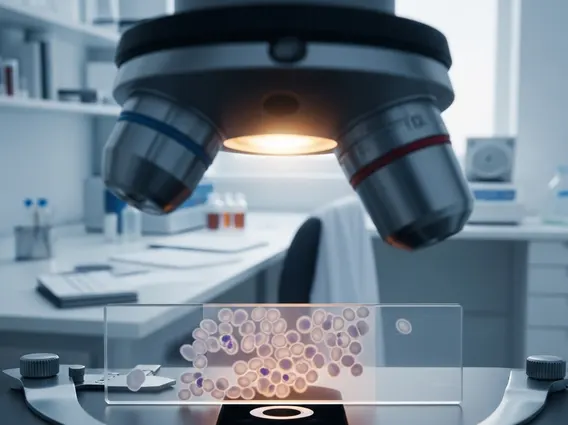
- Fine-Needle Aspiration (FNA) Biopsy: This is the most definitive test for thyroid cancer diagnosis. During an FNA, a very thin needle is inserted into the thyroid nodule, typically guided by ultrasound, to collect a sample of cells. These cells are then examined by a pathologist under a microscope to determine if they are benign, suspicious, or cancerous. The accuracy of FNA is high, making it the gold standard for evaluating thyroid nodules.
- Computed Tomography (CT) or Magnetic Resonance Imaging (MRI): These scans may be used if the cancer is suspected to be large, has spread beyond the thyroid, or to evaluate the extent of the disease in the neck and chest. They provide more detailed anatomical information than ultrasound.
The combination of clinical assessment, imaging, and especially FNA biopsy provides a clear picture for a precise thyroid cancer diagnosis.
Interpreting Your Thyroid Cancer Diagnosis Results
Receiving a thyroid cancer diagnosis can be overwhelming. Understanding the results, particularly the pathology report and cancer stage, is crucial for making informed decisions about your treatment plan.
Pathology Reports Explained
After an FNA biopsy or surgical removal of a nodule, a pathologist examines the tissue and generates a report. This report is fundamental to your thyroid cancer diagnosis. Key elements of a pathology report include:
- Diagnosis: This specifies the type of thyroid cancer (e.g., papillary, follicular, medullary, anaplastic) or if the nodule is benign. Papillary thyroid cancer is the most common type, accounting for about 80-85% of all thyroid cancers. (Source: American Cancer Society).
- Tumor Characteristics: Details such as tumor size, presence of invasion into surrounding tissues (e.g., blood vessels, lymphatics), and margins (if surgery was performed) are noted.
- Lymph Node Involvement: If lymph nodes were removed, the report will indicate whether cancer cells are present in them.
- Molecular Markers: In some cases, genetic testing for specific mutations (e.g., BRAF, RAS, RET) may be performed to help classify the tumor and guide treatment decisions.
Your healthcare team will explain these findings in detail, clarifying what they mean for your specific situation.
Understanding Your Cancer Stage
Cancer staging is a system used to describe the extent of the cancer’s spread in the body. For thyroid cancer, staging considers the patient’s age, tumor size, whether it has spread to lymph nodes, and if it has metastasized to distant sites. The most common staging system is the TNM system (Tumor, Node, Metastasis).
- T (Tumor): Describes the size of the primary tumor and whether it has grown into nearby structures.
- N (Nodes): Indicates whether the cancer has spread to regional lymph nodes.
- M (Metastasis): Refers to whether the cancer has spread to distant parts of the body (e.g., lungs, bones).
Age is a significant factor in differentiated thyroid cancer staging; patients under 55 years old often have a more favorable prognosis for the same extent of disease. Staging helps predict prognosis and guides treatment recommendations, which may include surgery, radioactive iodine therapy, external beam radiation, or targeted drug therapies. The 5-year survival rate for all types of thyroid cancer combined is 98%, highlighting the generally good prognosis, especially with early detection of thyroid cancer. (Source: National Cancer Institute SEER Program).
Frequently Asked Questions
Q1: Who should be screened for thyroid cancer?
Routine thyroid cancer screening guidelines do not recommend universal screening for the general population due to the slow-growing nature of most thyroid cancers and the potential for over-diagnosis. Screening is primarily advised for individuals with specific risk factors. These include a strong family history of thyroid cancer, particularly medullary thyroid cancer, or a history of significant radiation exposure to the head and neck, especially during childhood. Your doctor can assess your individual risk and determine if targeted screening is appropriate.
Q2: What is the most definitive test for thyroid cancer?
The most definitive test to determine how is thyroid cancer diagnosed is the Fine-Needle Aspiration (FNA) biopsy. This procedure involves using a thin needle, often guided by ultrasound, to collect cells directly from a suspicious thyroid nodule. The collected cells are then examined by a pathologist under a microscope to identify cancerous cells. While imaging tests like ultrasound can identify suspicious features, only a biopsy can provide a definitive diagnosis of malignancy or benignity.
Q3: Are all thyroid nodules cancerous?
No, not all thyroid nodules are cancerous. Thyroid nodules are very common, found in up to 68% of adults, but the vast majority (over 90%) are benign. Most nodules are harmless and do not cause any symptoms. However, any new or growing nodule should be evaluated by a healthcare professional. Diagnostic tools like ultrasound and fine-needle aspiration biopsy help differentiate between benign and malignant nodules, ensuring that only suspicious ones proceed to further intervention.